
Become a premium member for just $35/year and get ad-free access!
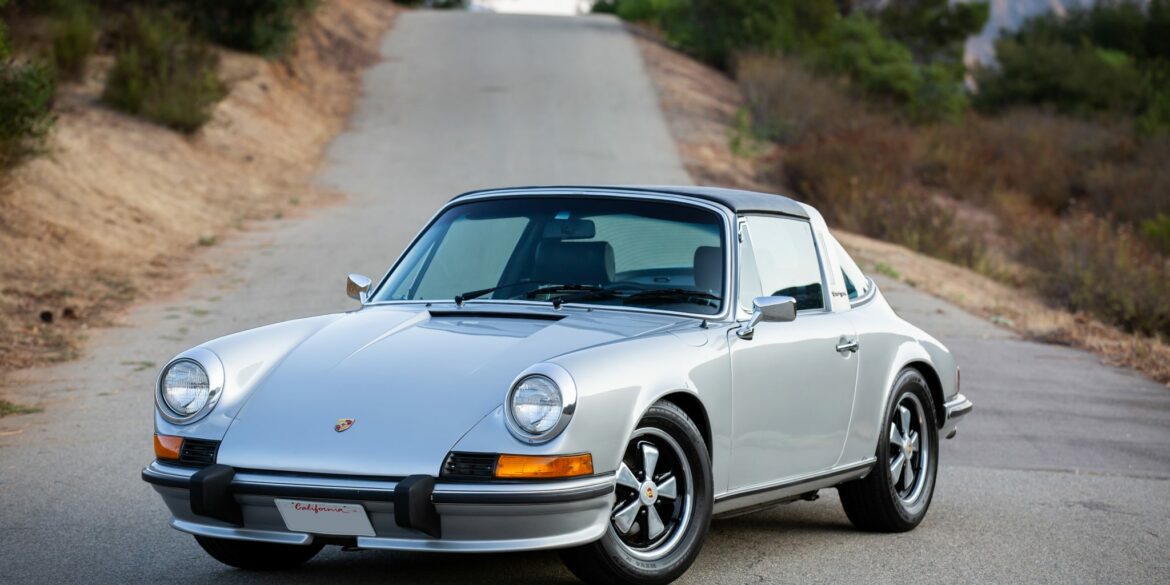
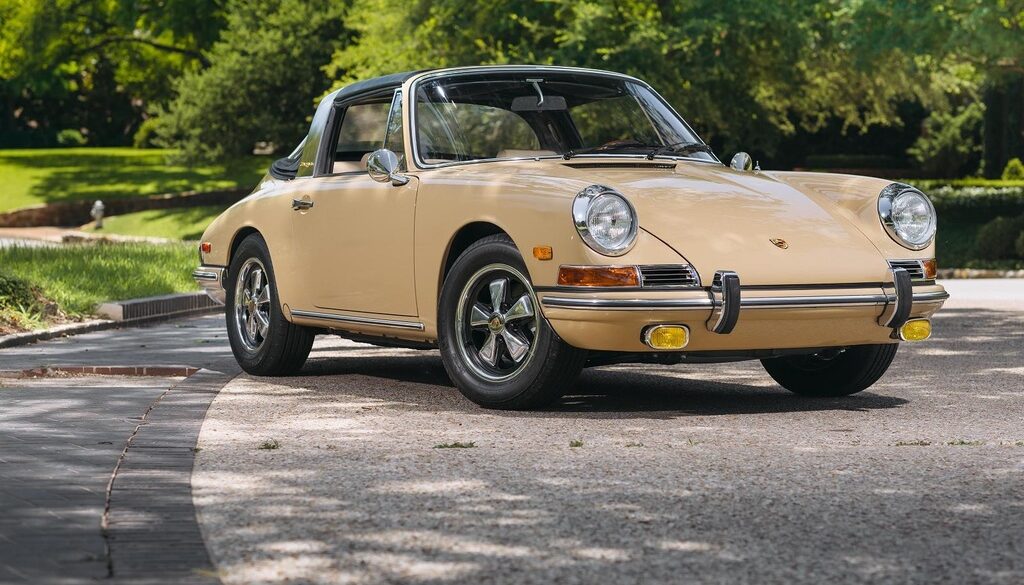
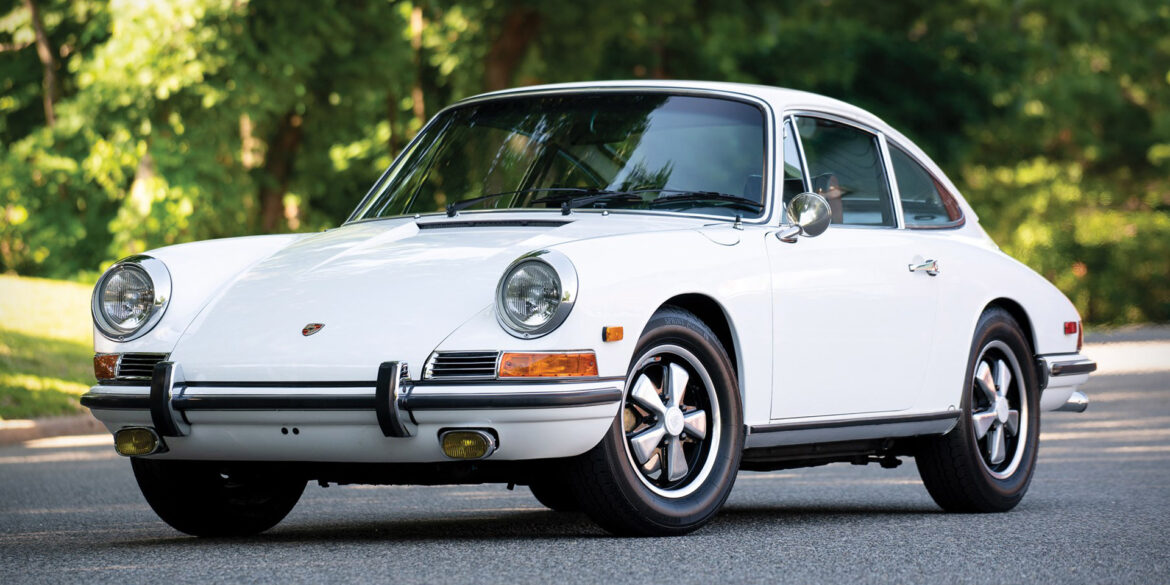
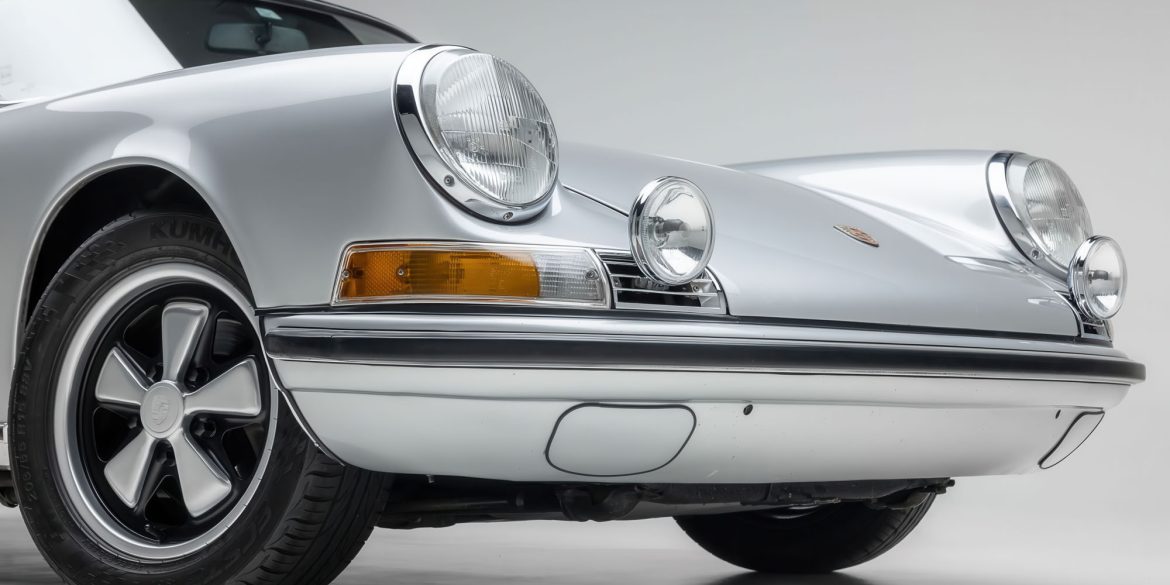
Highlights VIN 9112100846 Matching 2.4 engine – built to 2.7 RS spec Manual five-speed 915 transmission One-year-only external oil fill Completed November 1971 Certificate of Authenticity All the right options This 1972 Porsche 911T 2.4 MFI Coupe is finished in its original color combination of Silver Metallic (925) with a...
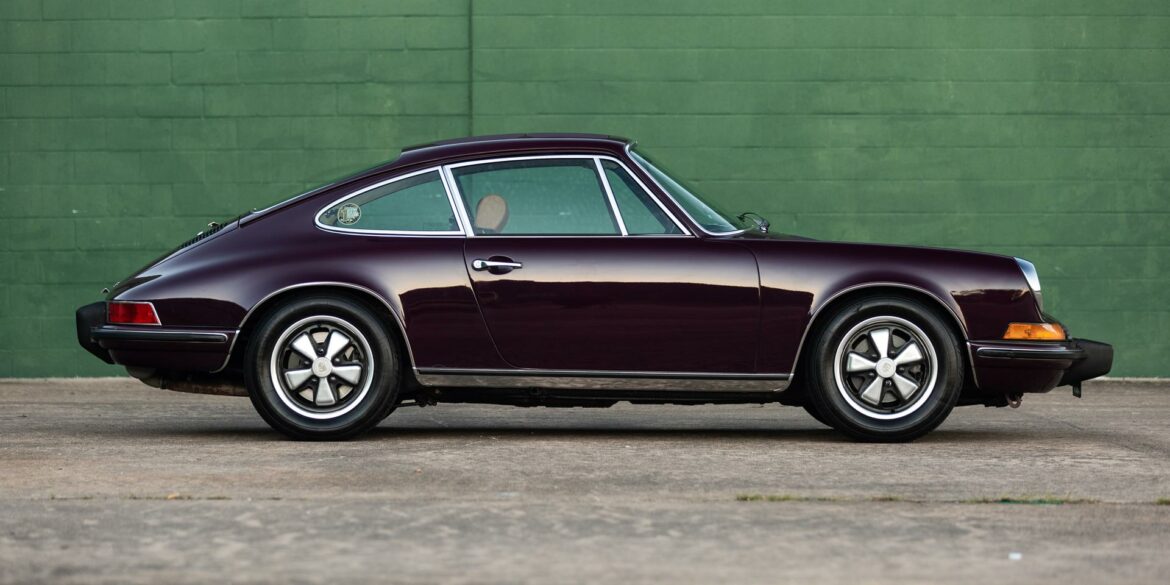
It was the first motorsport team-designed consumer grade car, first 911 with a staggered stance, and first factory-installed fixed wing. TheSmokingTire from YouTube discusses why the Porsche 2.7 RS is so successful and how it influenced future Porsche cars....
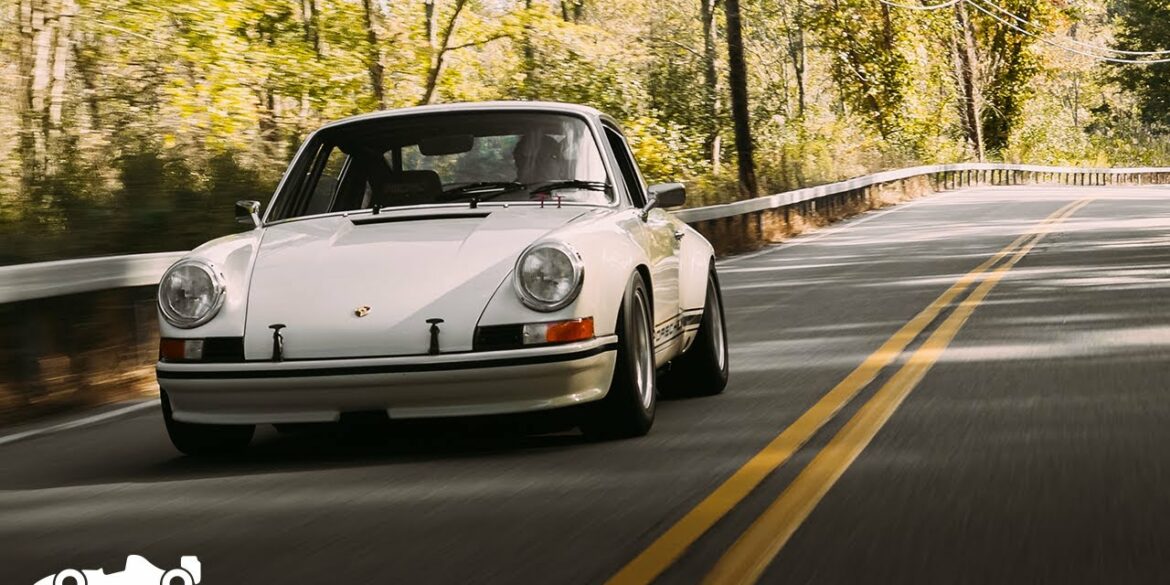
More than a Carrera 2.7 RS The Carrera RS was introduced in 1973 and homologated for Group 4 GT racing, with only 55 examples of the legendary and ultra-lightweight racing variant Carrera RSR 2.8 produced (RennSport Rennwagen), with many special features, including the highly tuned 2.8L flat-six, 5cm-wider front and...
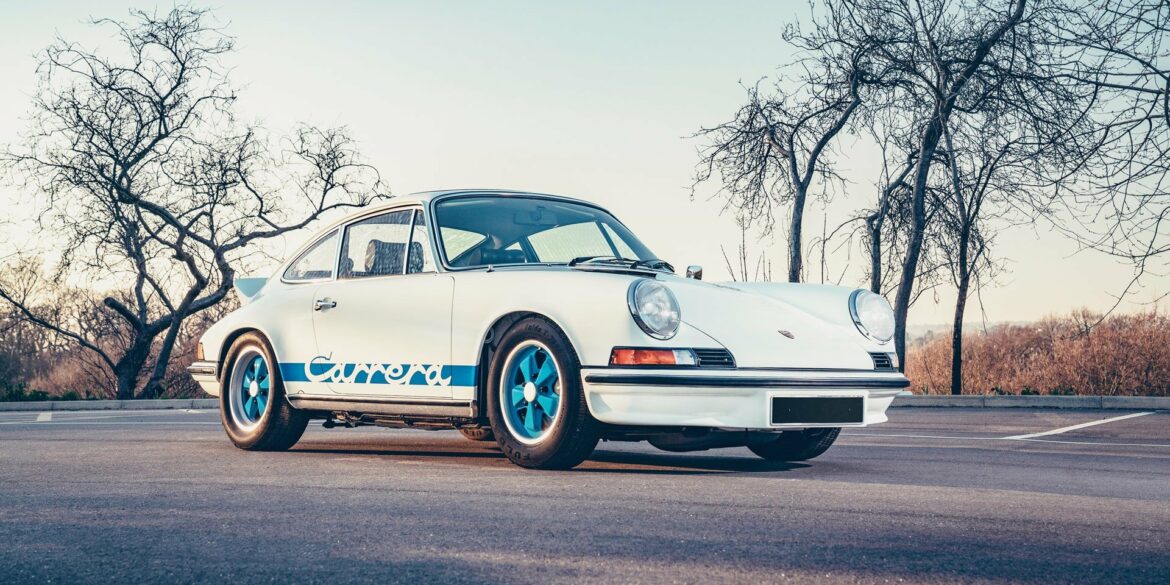
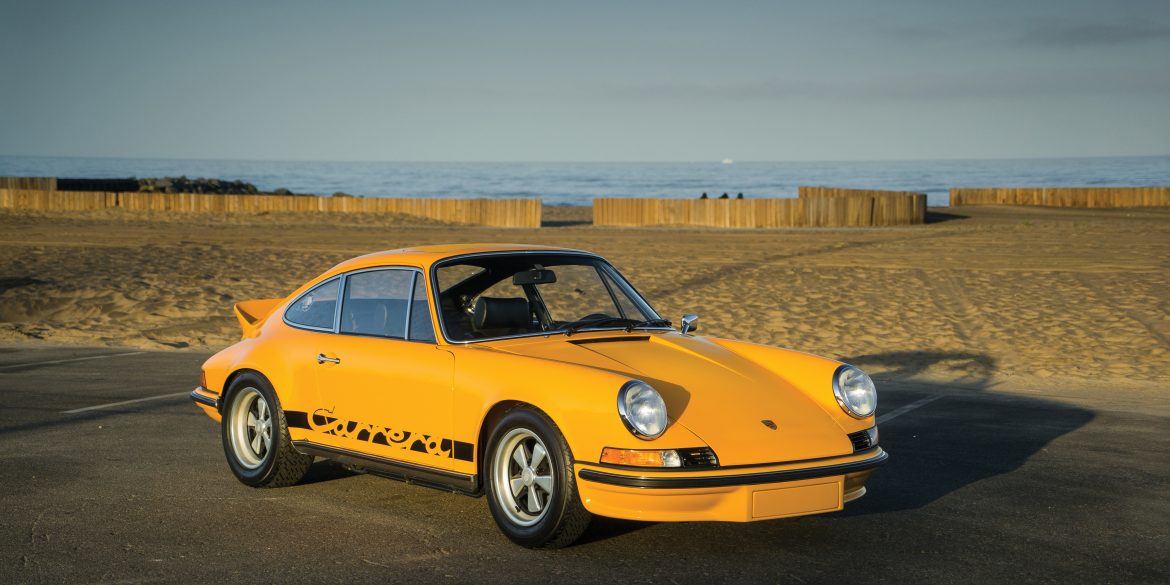
1973 Porsche 911 Carrera 2.7 RS Touring Coupé
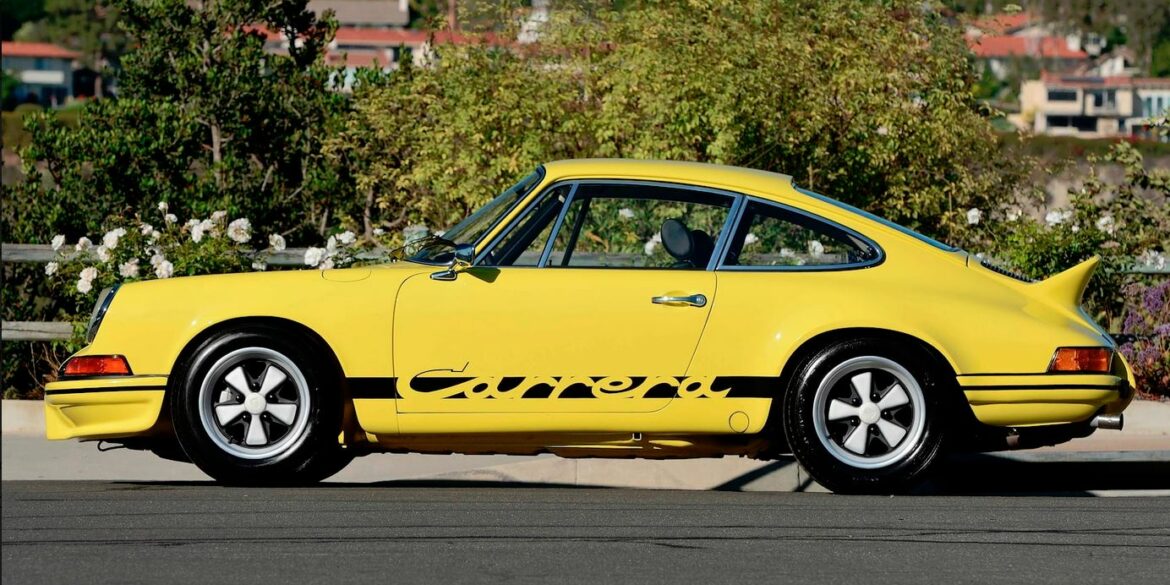
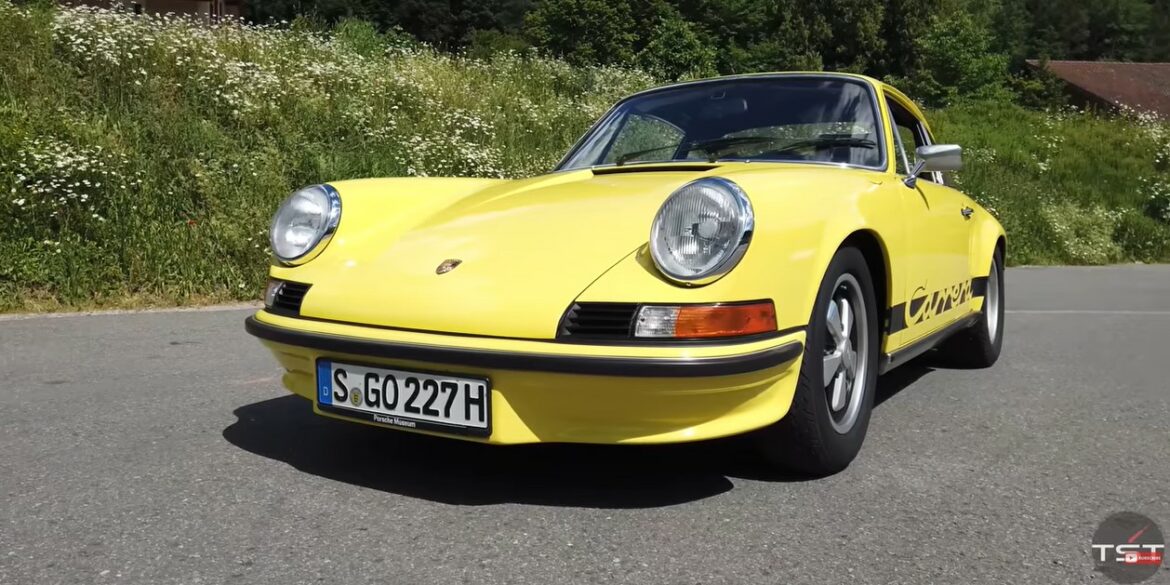
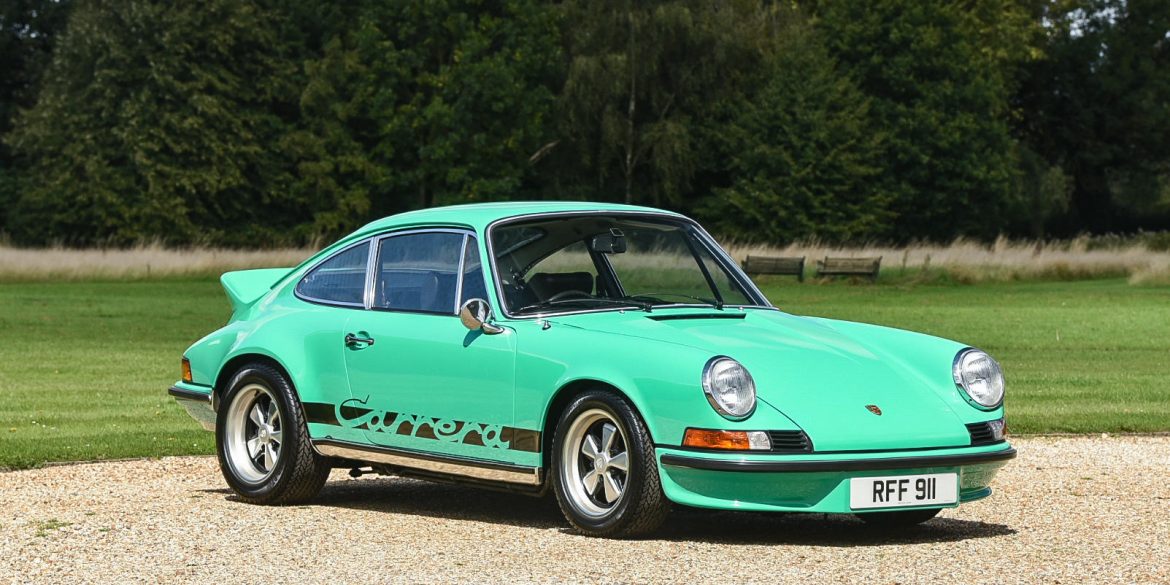
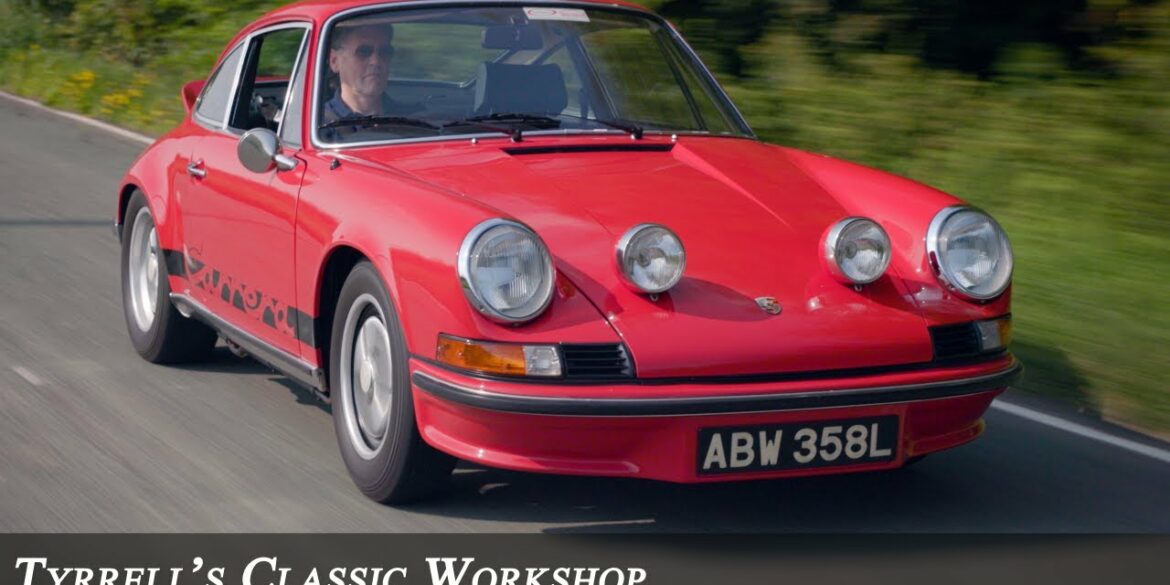
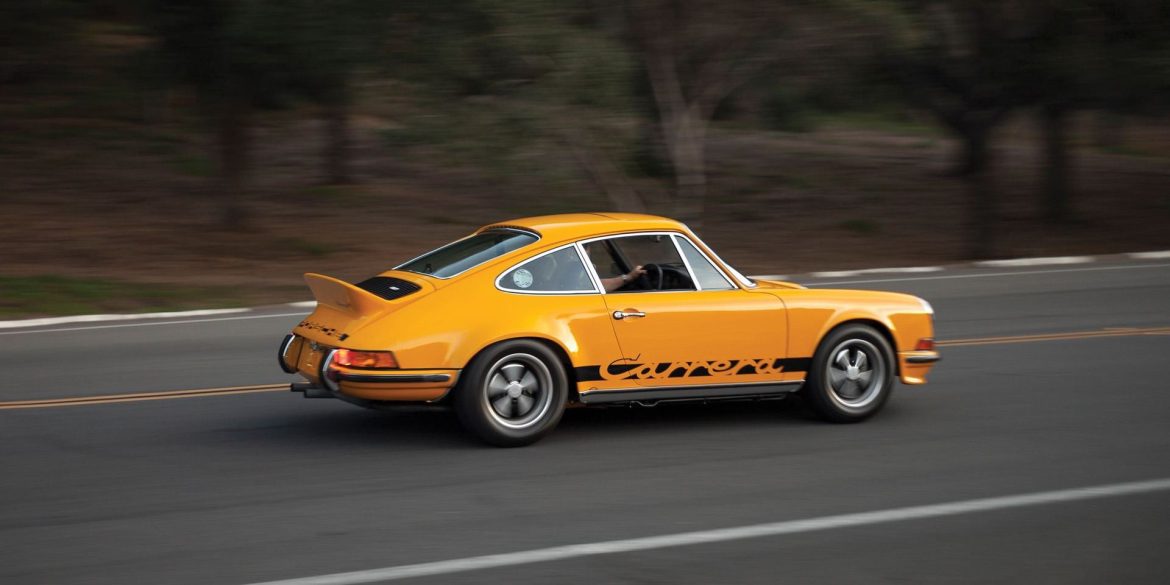
Revealed at the 1972 Paris Auto Show, the Carrera 2.7 RS was a special model used to homologate the 911 in Group 4 racing. Developed from the 911S, the 2.7 was more potent in almost every area. Compared to the standard Carrera, the car featured a 2.7-litre, fuel-injected, air-cooled, six-cylinder...
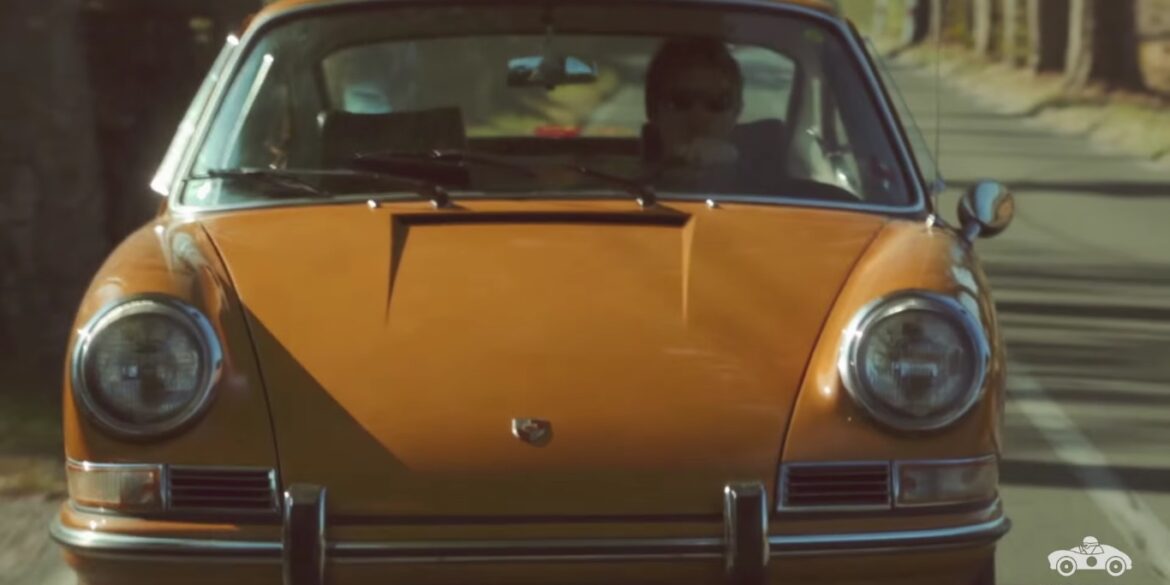
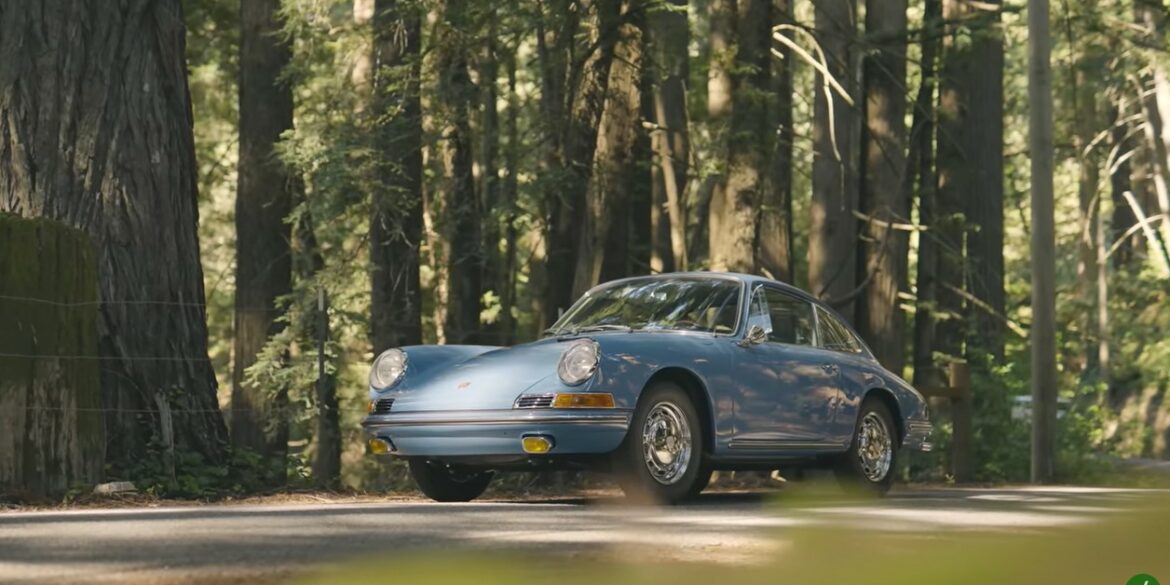
“…The color is crazy, like a Beetle or a Bus. It makes people smile. Always.” Porsche owner Antoine Gaslais and his 1967 912—the four-cylinder 911—are the perfect pairing for a relaxing drive. Gaslais is a screen printer by trade, with experience in advertising, illustration, graphic design, and publishing. At this...
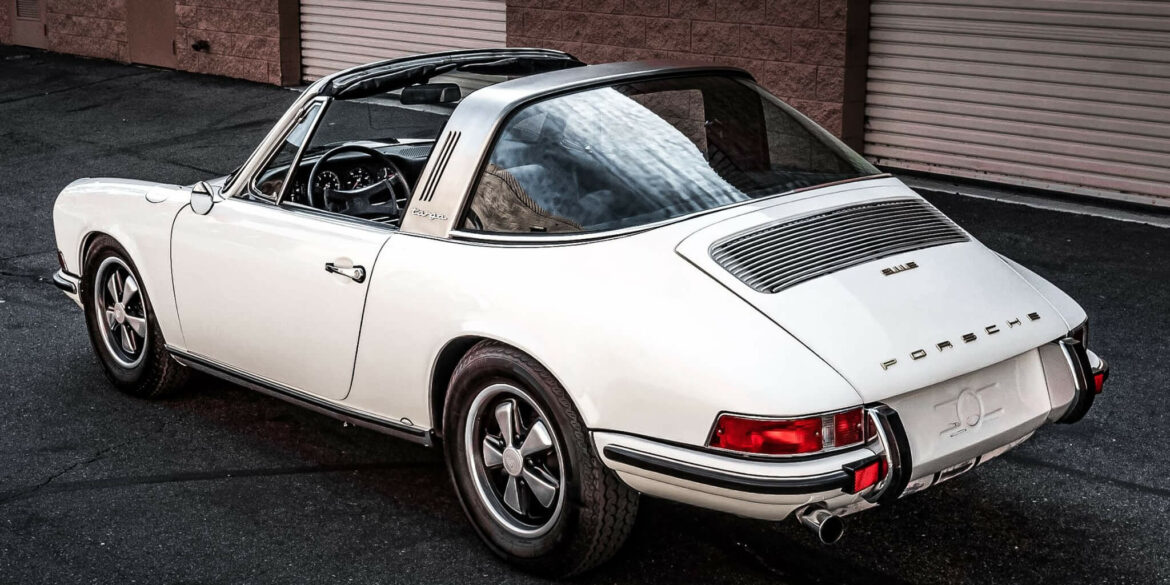
Most Porsche fans know little about this epic wide-bodied 911 based race car. While the iconic 2.7 RS is every fan boys dream car, the RSR is the whole reason for the RS’s existence in the first place so we are dedicating some space here to tell you all about it. Introduced in...
Background The 1973 Porsche 911E is a unique chapter in the 911 “long-hood” legacy. Positioned between the entry-level 911T and the high-performance 911S, the 911E delivered a blend of performance and drivability that made it one of the most balanced air-cooled 911 models ever. The “E” stands for Einspritzung, German...
Porsche built just 1,580 units of the 1973 911 Carrera RS 2.7, most in the more road-friendly M472 Touring specification. Designed as a homologation model for racing, it was based on the 2.4L 911S and laid the groundwork for the 2.8 RSR, 3.0 RSR, and the turbocharged 934 and 935....
This 1973 Porsche 911 Carrera RS 2.7 Lightweight is a rare and highly sought-after model, with only 200 units produced in the M471 Lightweight configuration. This particular example, set to be auctioned by Mecum Auctions in Glendale, California, on March 22nd, has an odometer reading of just 15,930 kilometers (9,874...
The Air Cooled Classic 2.0L Flat Six You Need To Hear This 1969 911E is a great example of why the 911 made such an impact on the sports car market in the early days even with a small displacement air cooled flat six. In ’69 the E and S...
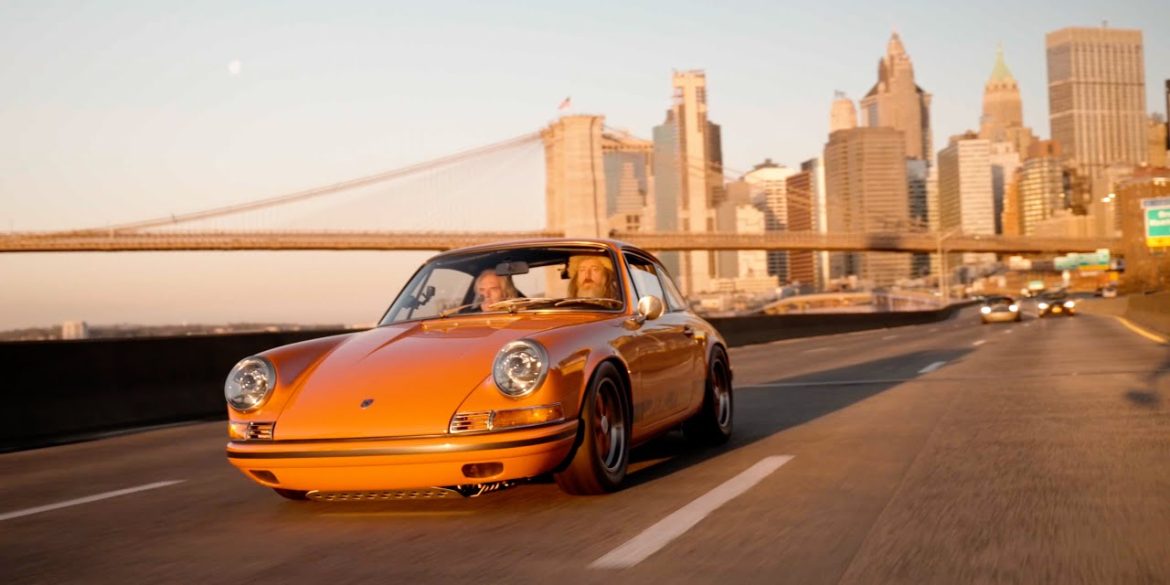
This 1971 Porsche 911S coupe was purchased by comedian Jerry Seinfeld in 2008 and subsequently shipped to RUF in Pfaffenhausen, Germany, where it spent the next three years being refurbished and modified. A twin-plug 3.4L flat-six with individual throttle bodies and electronic fuel injection was installed along with a six-speed...
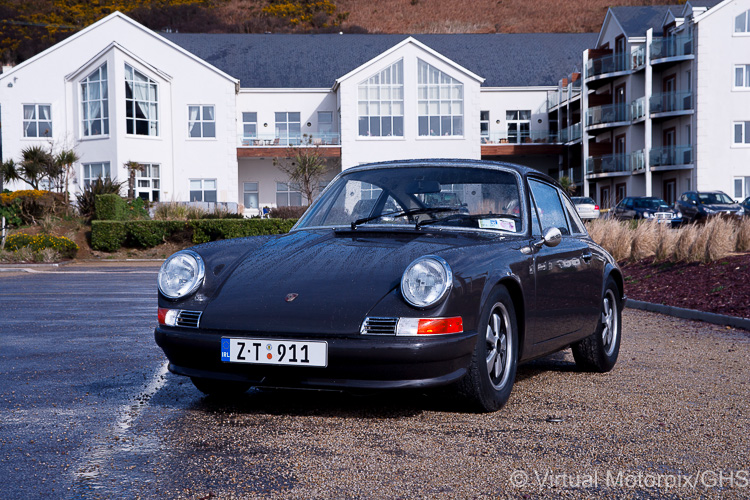
1972 Porsche 911 2.4 S, Inchydoney Hotel, West Cork, Ireland – we were peppered with heavy rain showers on the day of the photo shoot. You could almost draw a line from the clouds above past the back of the car, and see that we were getting drenched, but just...
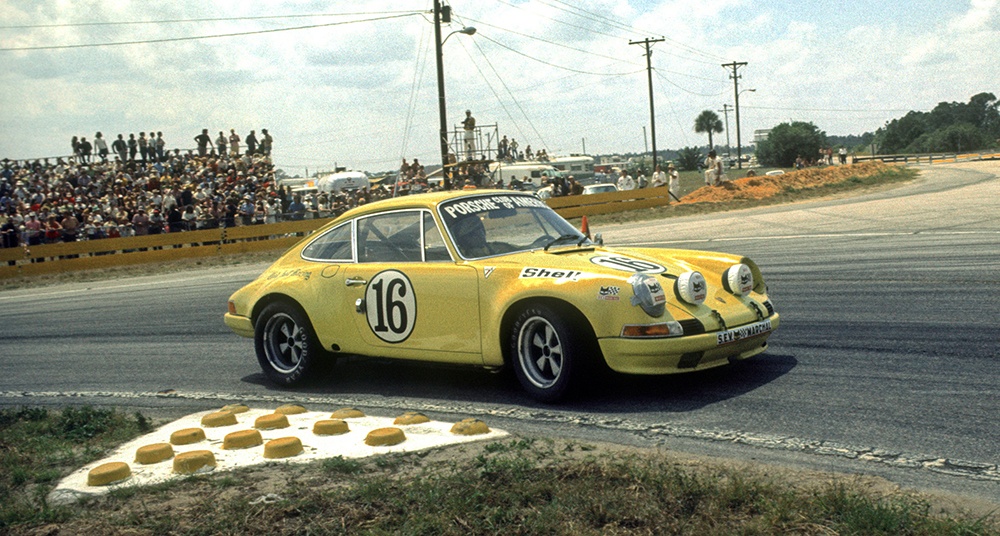
Porsche developed the S/T, of which 33 were built in 1970 and 1971, taking full advantage of new FIA rules allowing a two-inch wider track. Accordingly, wheel arches were widened to accommodate seven-inch front and nine-inch rear wheels. Weight reduction was even more radical, including thinner-gauge steel for the roof and floorpans. Heating ducts, seat slide supports, the glove-box lid, ashtray, sun visors and rear torsion-bar covers were deleted.
The ST legend The Porsche 1972 911 ST is legendary in automotive history and coveted for its exceptional performance. Under the hood was a potent air-cooled 2.5-liter flat-six engine, delivering over 200 horsepower. Its lightweight construction, reinforced suspension, and modified components made it a force to be reckoned with on...
Porsche 911 (F-Series) Transmission Codes The transmission number code is found on the transmission data plate. Transmission Codes 911 2.0 and 912 Model MY1965 MY1966 MY1967 MY1968 MY1969 912 4-speed 902.0 4-speed 902.0 4-speed 902.01, 5-speed 902.02 4-speed 902.04, 5-speed 902.05, 902.06 911 T 4-speed 901.10, 4-speed Sportomatic 905.01 4-speed...
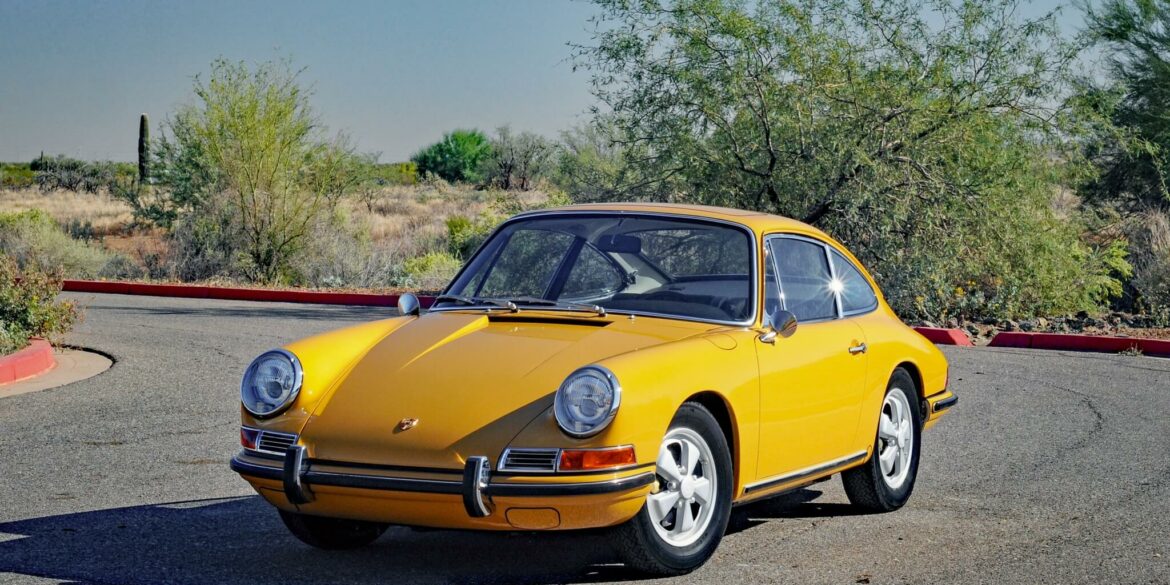
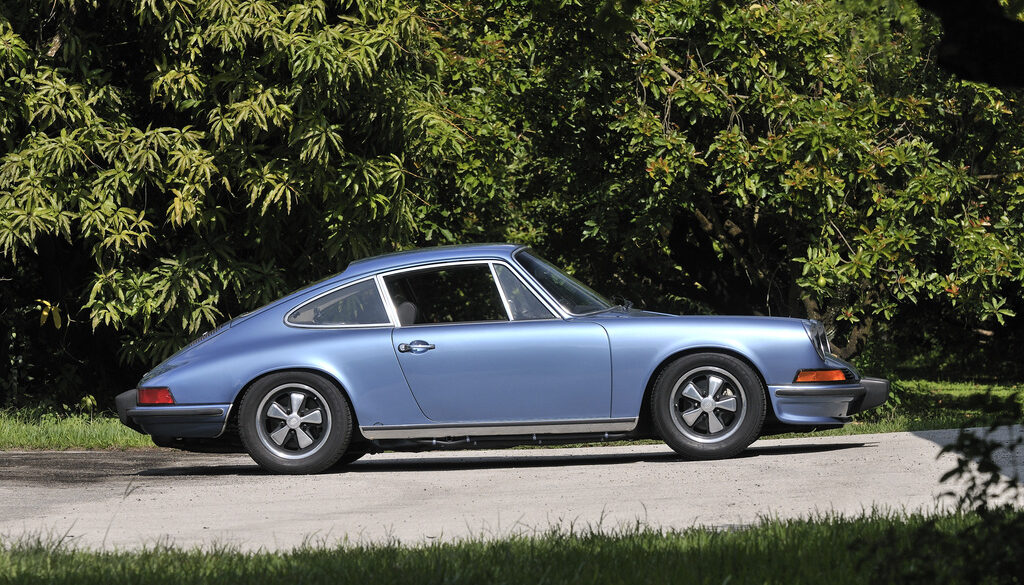
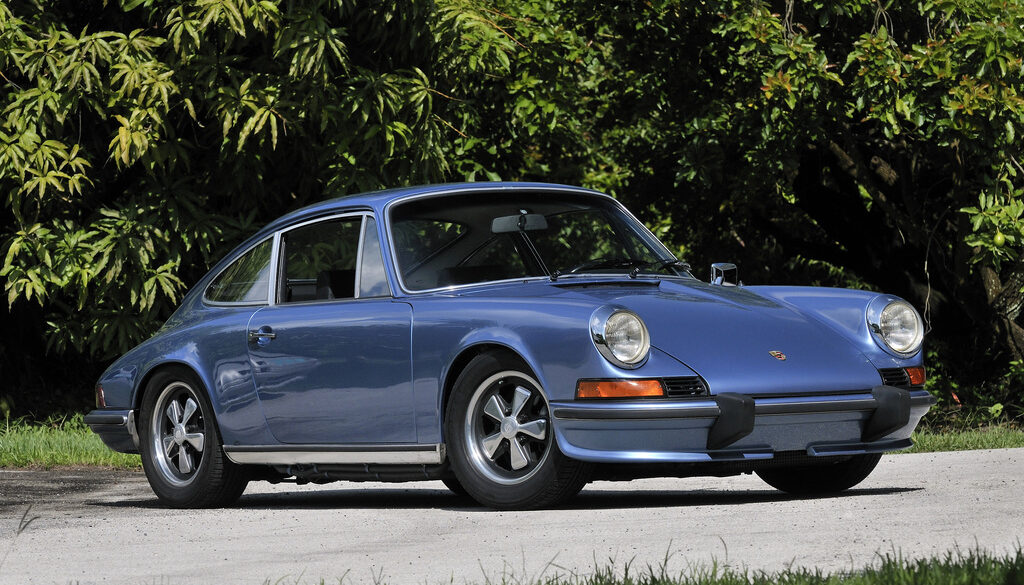
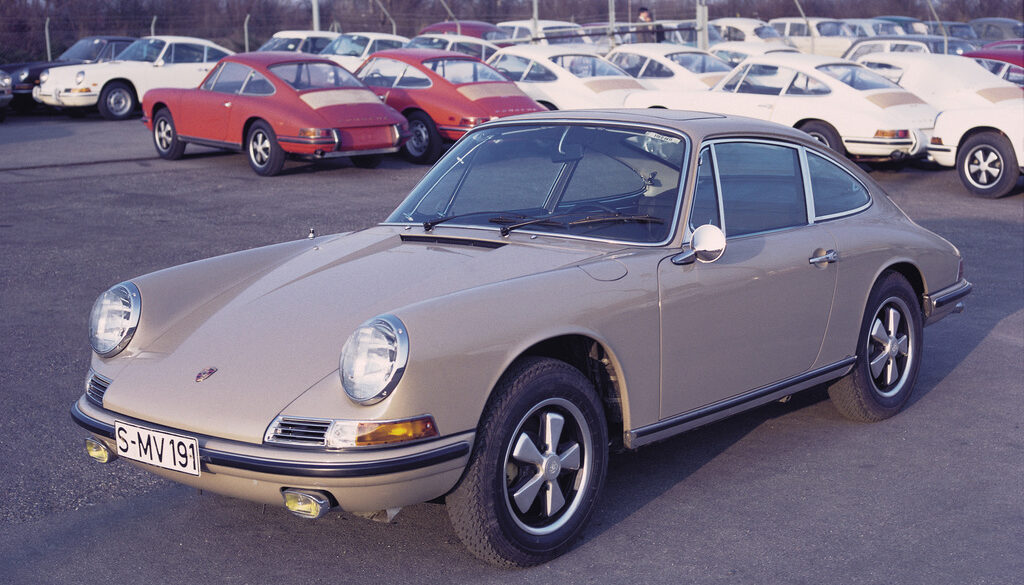
The final early 911S befitted from Porsche's 2.4-liter engine the the long-wheel-base body. As such it is one of the final classic 911s before the 2.7 came out in 1973. Visually, the 2.4 range received a new chin on the front valence that was standard on the 911S and optional for the rest of the range. The S model had slight larger 6Jx15 Fuchs alloy wheels over the other models. The final early 911S benefitted from Porsche's 2.4-liter engine the the long-wheel-base body
Is going backward the way forward? The Porsche 911; I can’t think of another sports car that better represents an endless evolution of performance.  Garnering respect since its inception in 1963, 911 enthusiasts, including myself, continue to ask, “Can Porsche keep finding ways to make it better?” But wait; while...
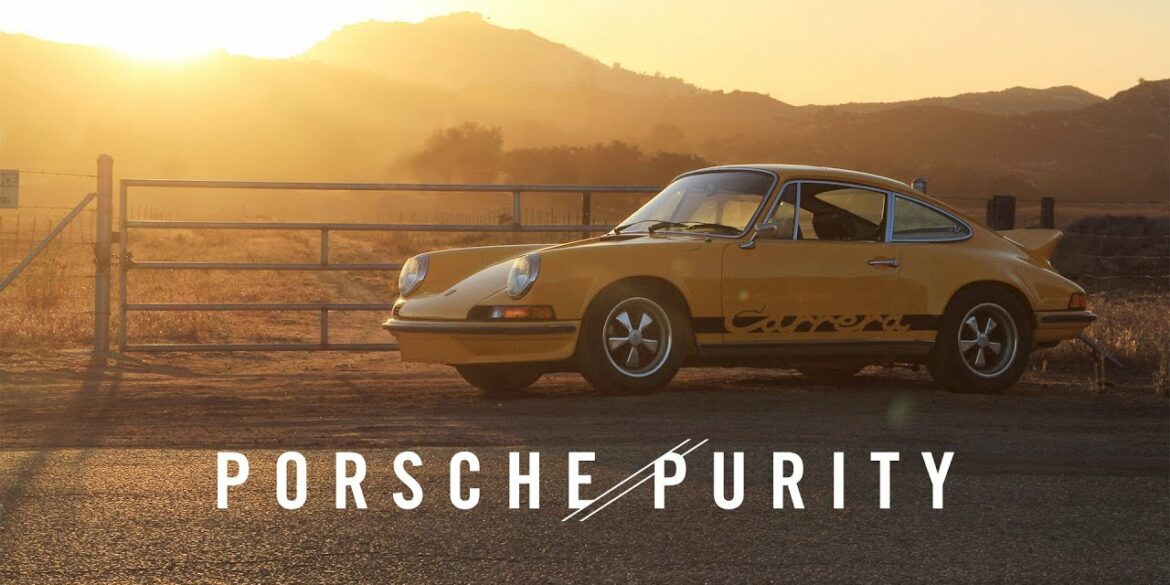
Perfectly Describing the Magic of the 911 2.7 RS Respected architect Jonathan Segal poetically describes what the 1973 Porsche 911 2.7L RS meant both to Porsche and its drivers. Jonathan’s career as an architect has developed his pursuit for purity in the structures he creates. One look around Jonathan’s studio and...
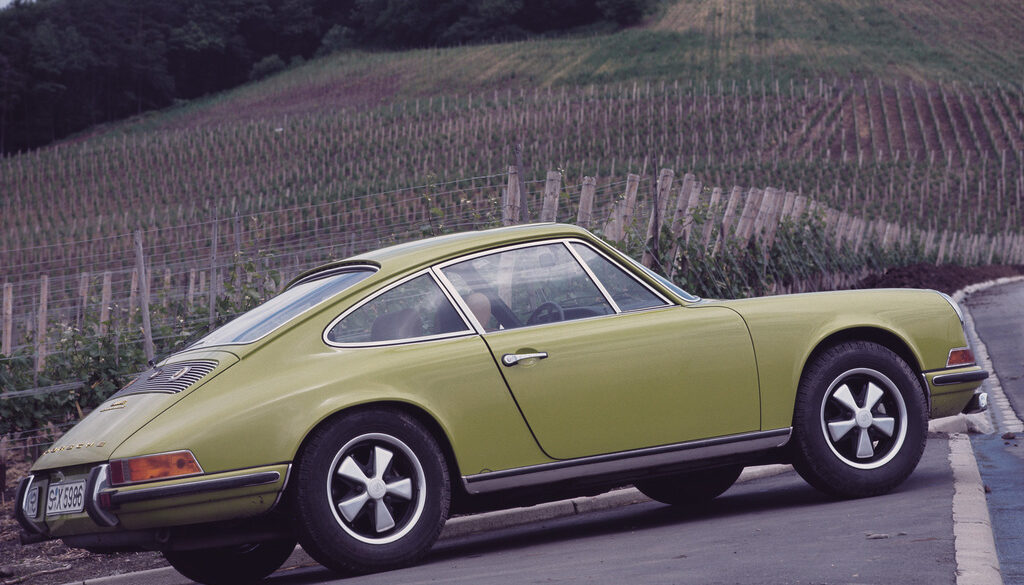
The Porsche 911E continued as the midrange 911 for the 1970 and 1971 model years, fitting between the contemporaneous 2.2L 911T and the 2.2L 911S. It produced 155 bhp and featured all the upgrades that came with C-Series production including longer wheelbase, Fuchs alloy wheels. Both the E and S model 911 had an aluminium engine-lid and aluminium bumpers. The 911 E 2.2 was once again available as either a Coupe or Targa body. For model year 1972, the 2.2L 911E was replaced by the 2.4L 911E.
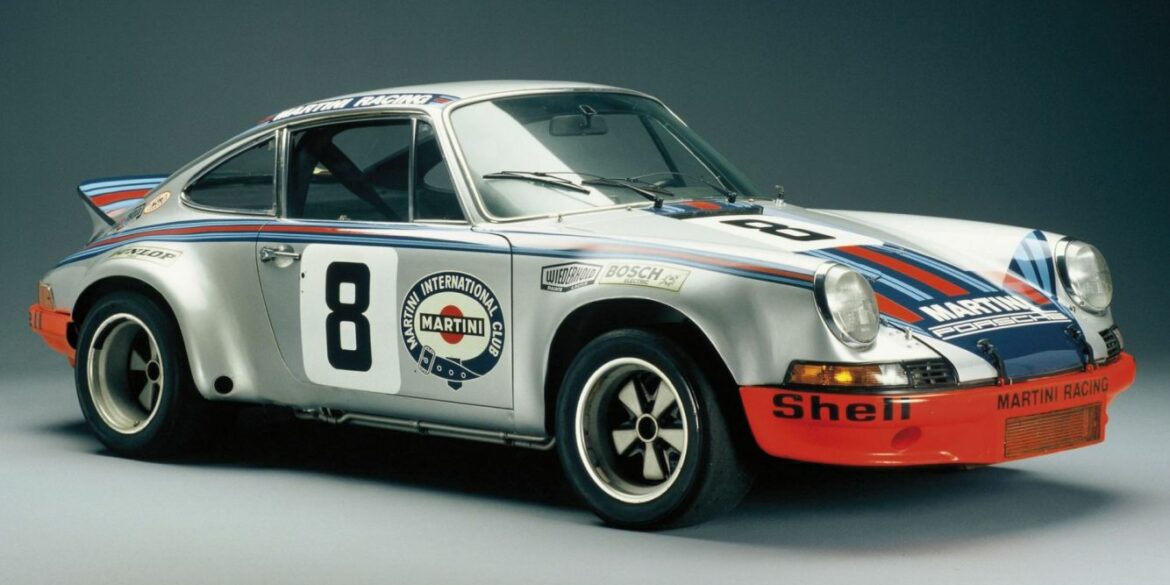
1972 Porsche RSR 911
When the idea came up of producing a series of race cars for the mainly-amateur racers who drove such GT vehicles in the early 1970s, the factory management was skeptical as to whether it would prove to be a profitable venture. After all, the factory had been in this line...
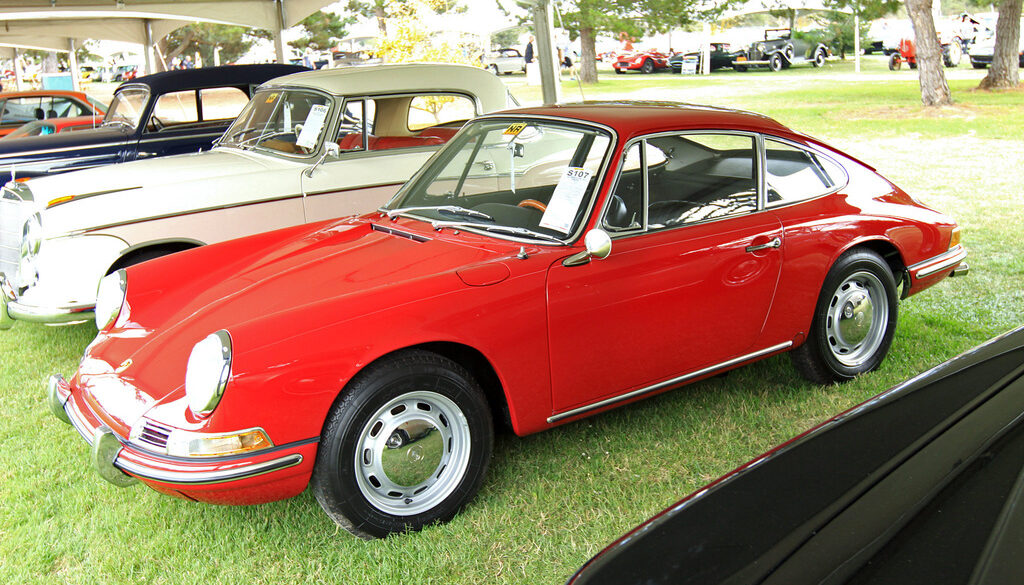
In 1967 the A-Series Porsche production line was divided into the entry-level 911T, the standard 911 L for Lux and the sporting 911S. The 911L was effectively the 911 2.0 from previous years with only very minor updates such as new door handles, a brushed aluminum dashboard, a black steering wheel and other very minor details. In Europe, where it was considered the midrange model it featured engine Type 901/06 (Type 901/07 with Sportomatic) rated at 130 hp. In North America, the 911L was the highest level offering.
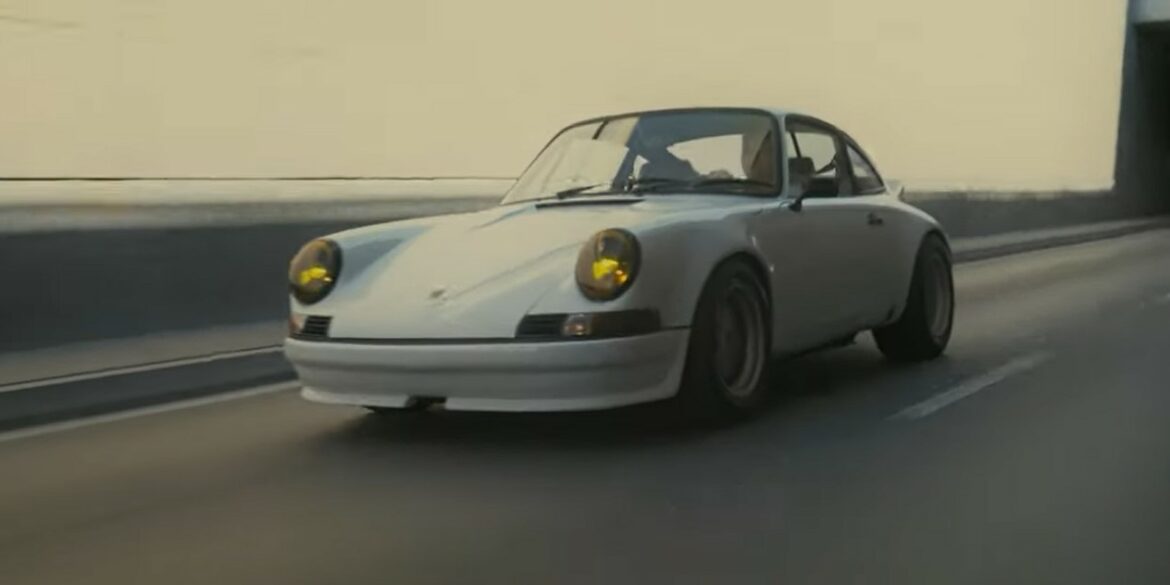
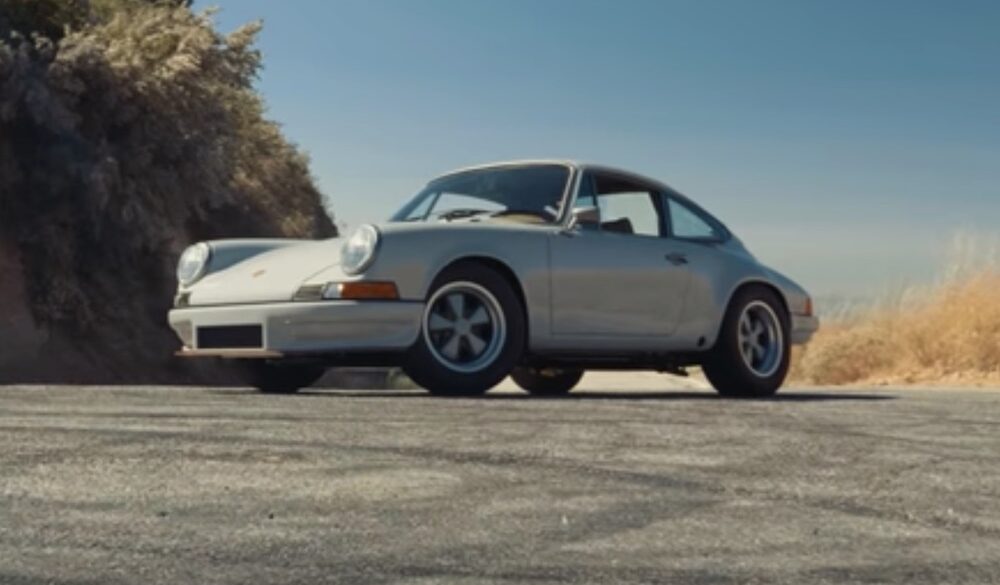
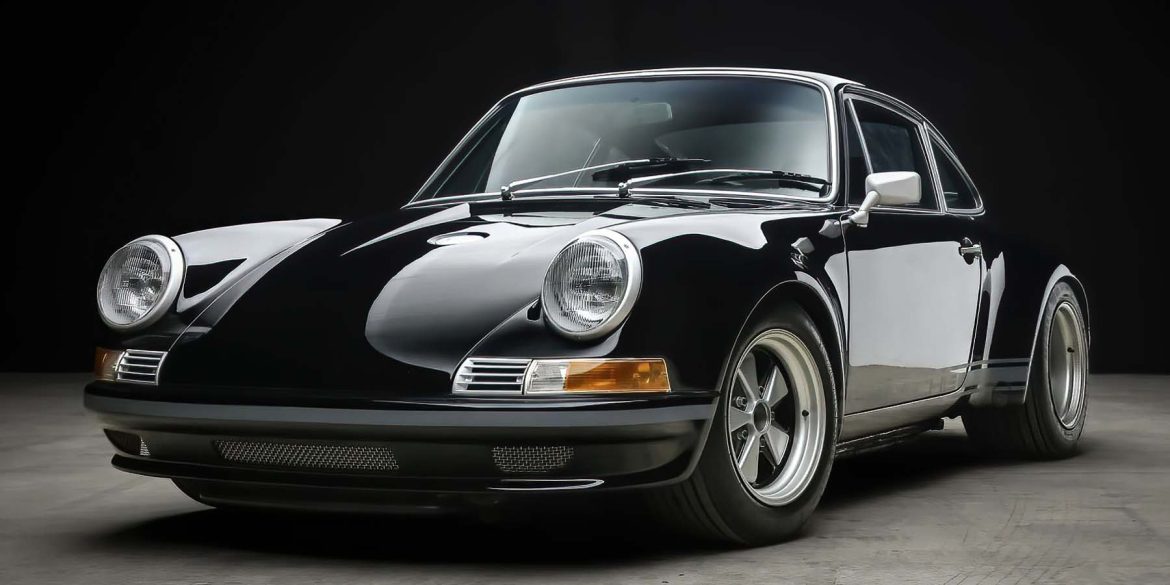
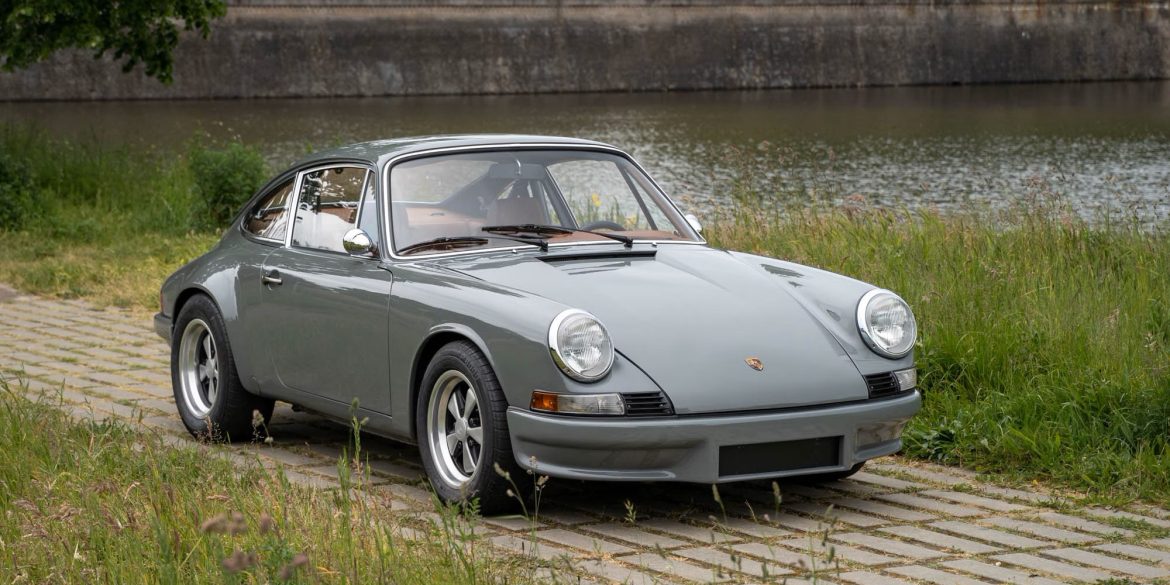
This 1971 Porsche 911 T Lightweight ‘Outlaw’ is a stunning classic sports car that has been tastefully ‘resto-modded’ with various performance, cosmetic, and weight-saving enhancements. Originally finished in white, it now boasts an elegant Stone Grey exterior and a Cognac leather-trimmed interior with perforated inserts on the dashboard and door...
Porsche 911 Carrera RSR 2.8
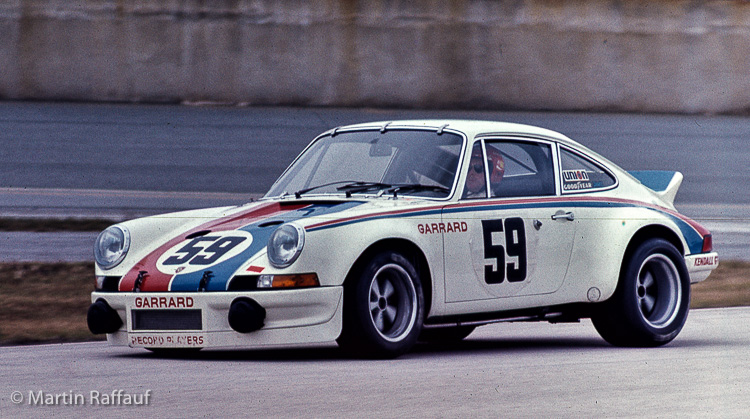
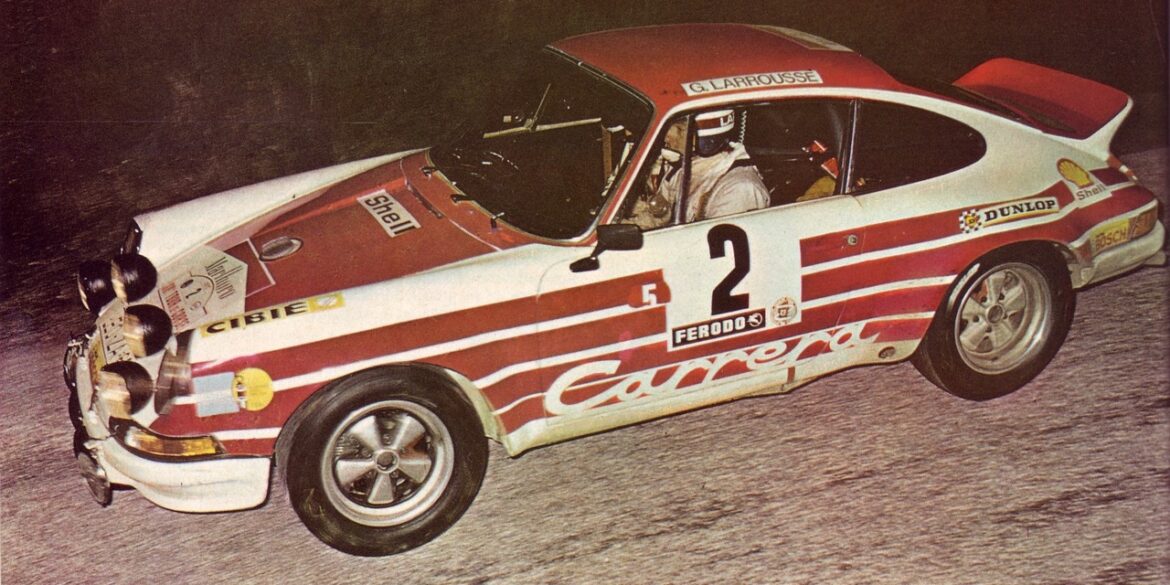
Introduced in 1973, the RSR was a factory-built racing car based on the 911 chassis. The Porsche 911 Carrera RSR 2.8 was the first 911 to ever wear the RSR badge. Homologated for racing by the iconic 1973 Porsche 911 Carrera RS, the RSR’s racing career got off to the perfect start thanks to Brumos Racing’s overall triumph in the 1973 24 Hours of Daytona, while a factory car won the latest ever Targa Florio road race. For the privateer in the mid-1970s who wanted to go sports car racing this was the chosen weapon.