Become a premium member for just $35/year and get ad-free access!
Porsche Of The Day: 1978 Porsche 935/78 Moby Dick
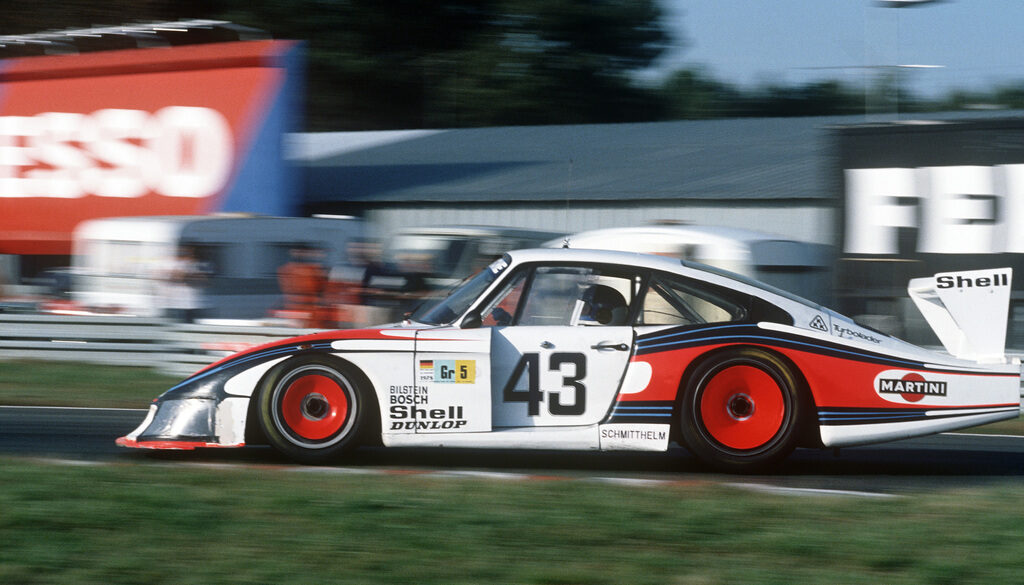
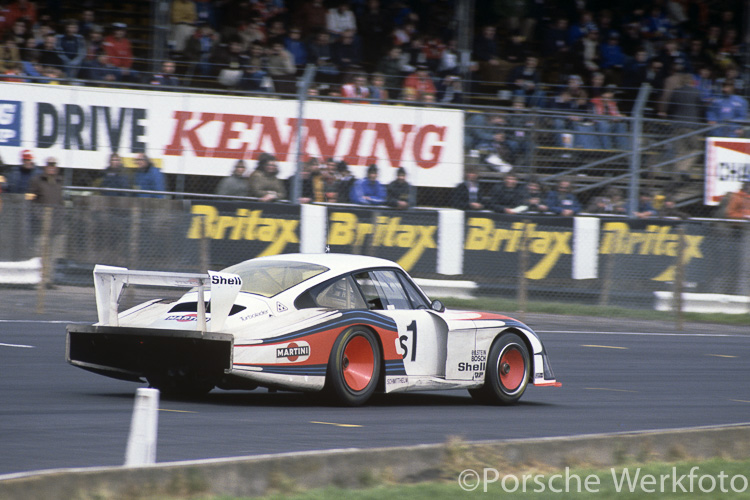
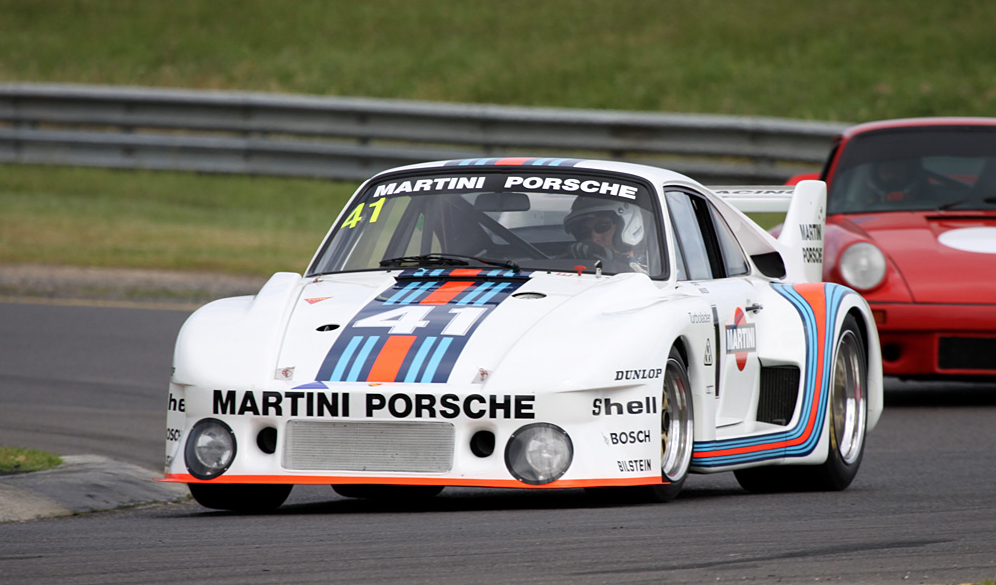
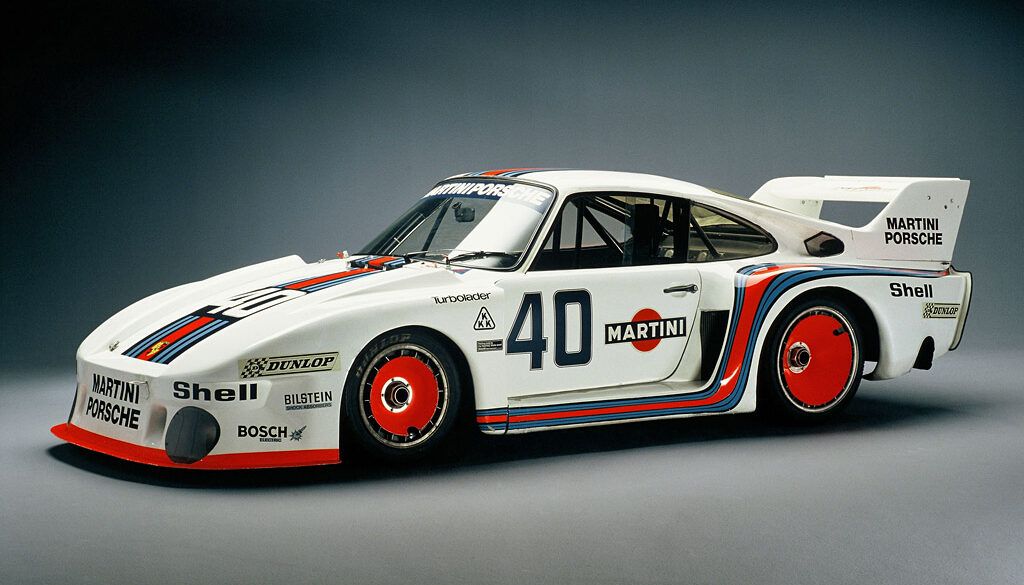
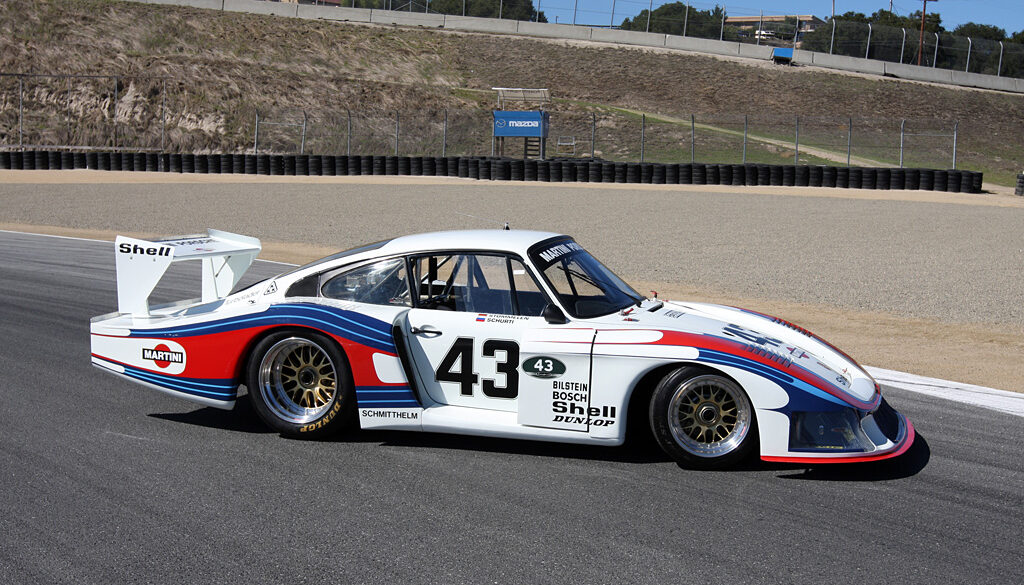
The 935/78 was the ultimate expression of the 911 factory race car before Porsche officially withdrew from motor sport. Raced under the Group 5 silhouette series, great liberties were taken with the design and the result was nicknamed ‘Moby Dick’ for its large size and huge overhangs. Only one 935/78...
It may have taken place just over a week ago, but the Rolex Monterey Motorsports Reunion 2019 was another top-drawer event that should be celebrated for the manner in which it has lifted the profile of yesterday’s great race cars. The growth in historic race reunions, revivals, festivals and the...
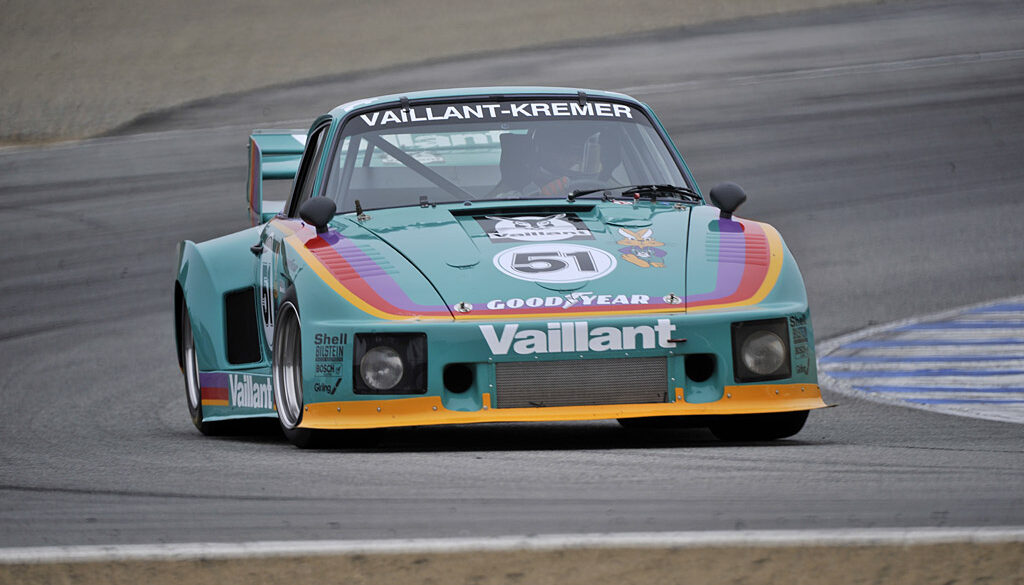
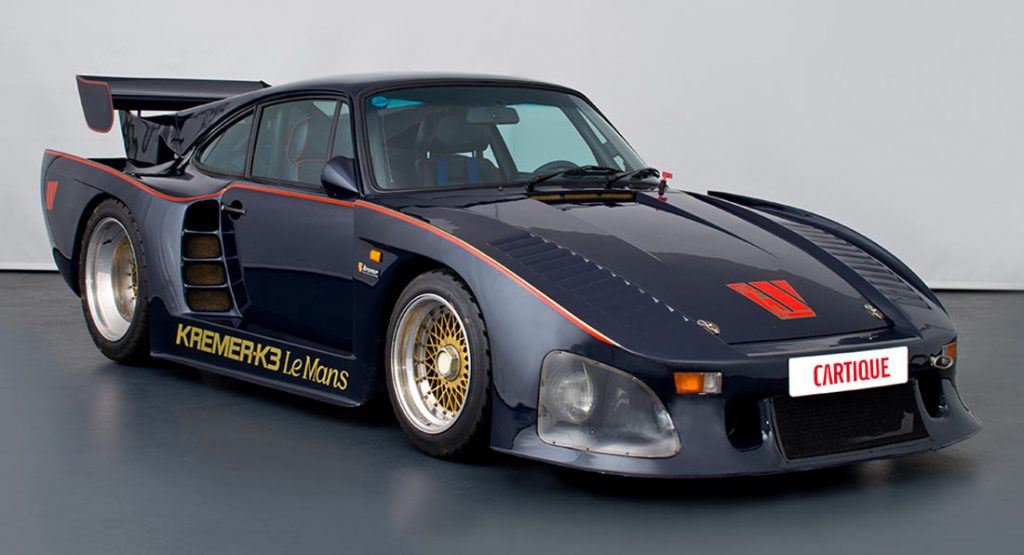
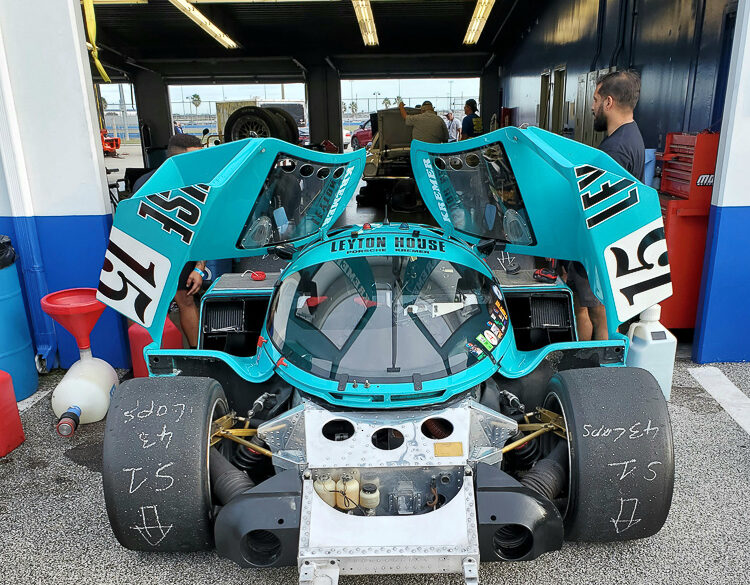
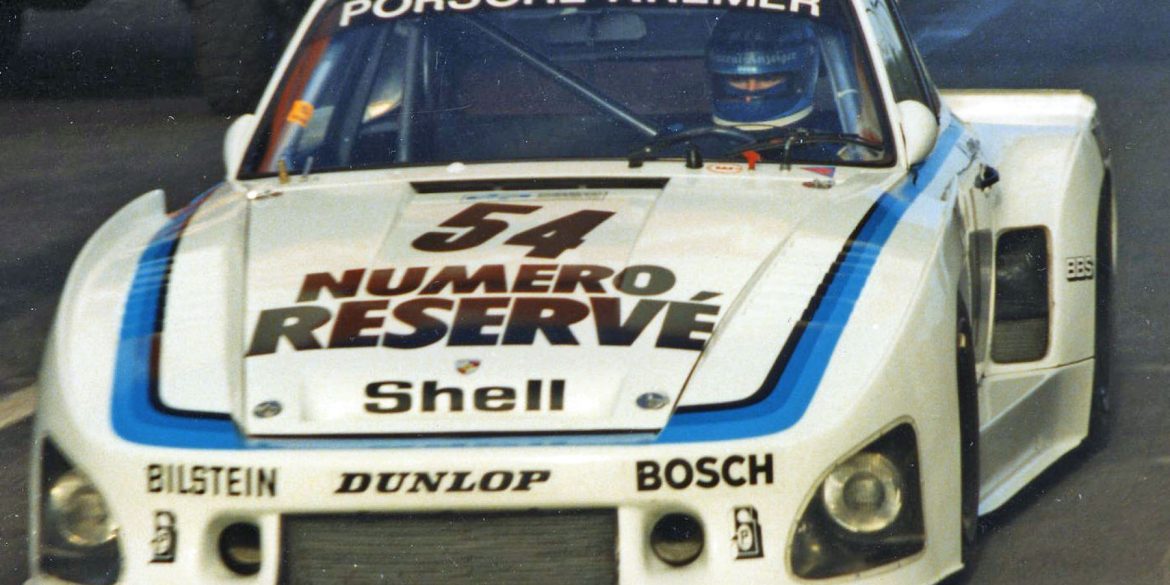
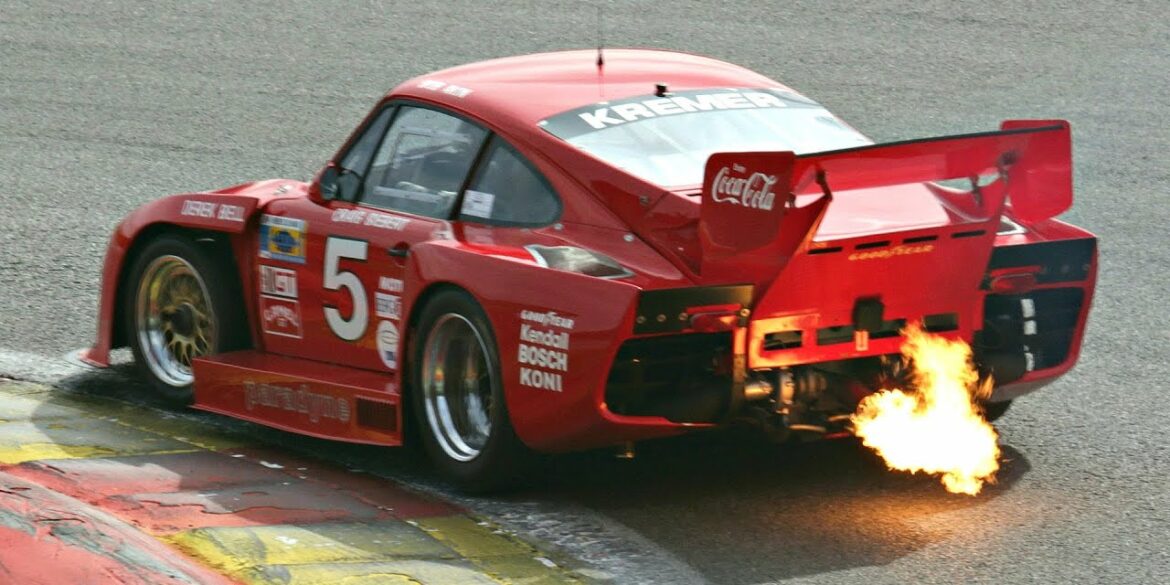
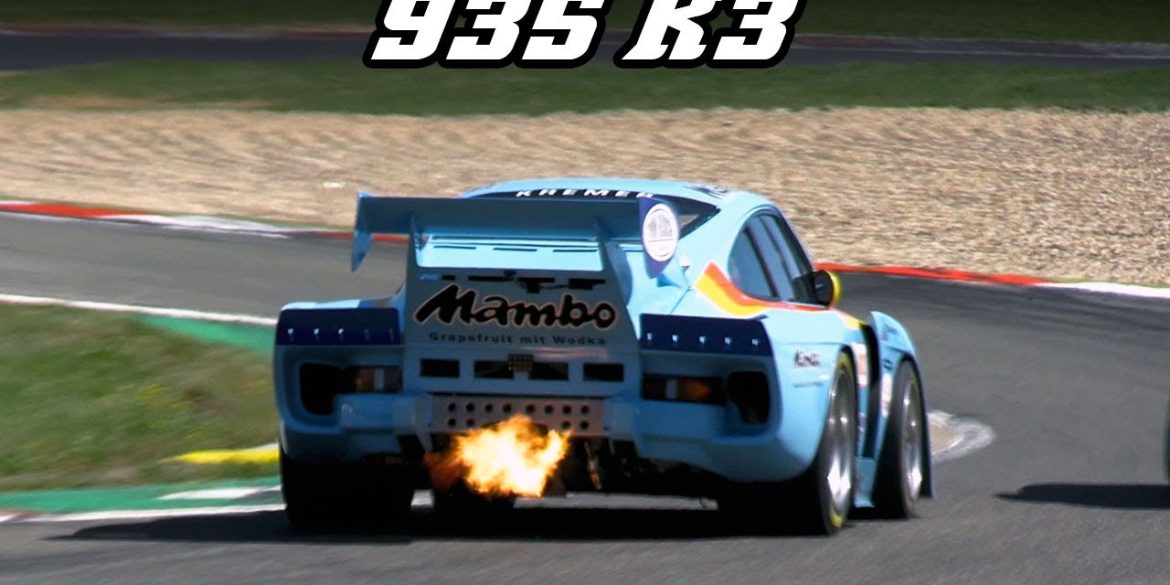
Upon seeing the factory 935s and what was possible using the 930 platform, the Kremer bothers from Cologne built up their own version. Their first car contested the World Championship of Makes in 1976 and in the following year, an updated version known as the K2 was further modified. Compared to the Porsche 935, the Kremer version was much more slab sided and featured fences along the top of the rear fender to direct air to the rear wing.
Porsche 935/77 (1977)
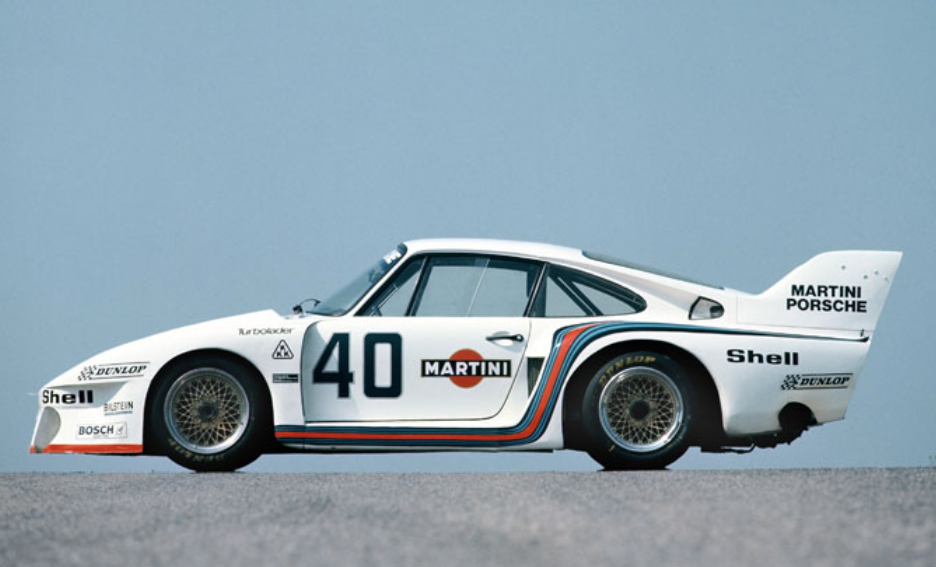
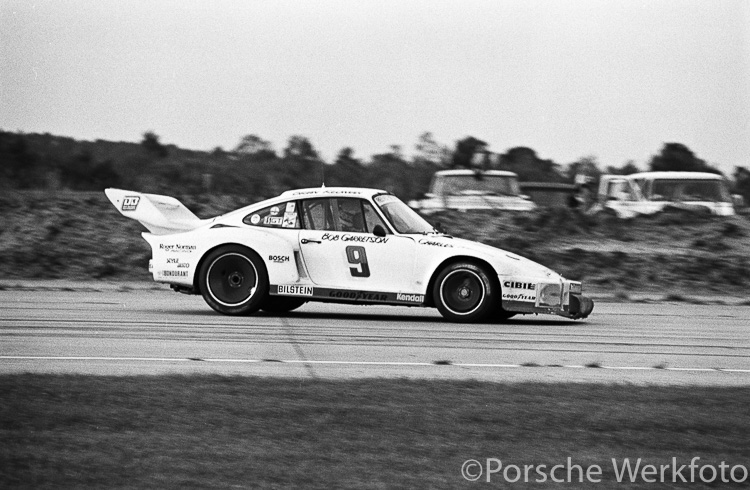
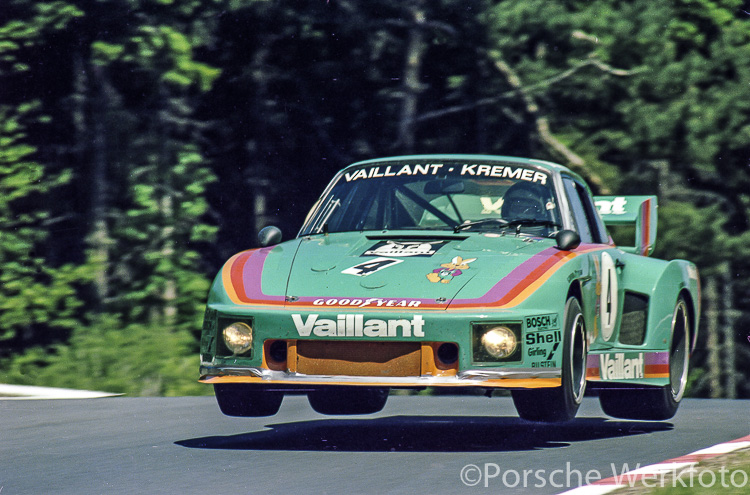
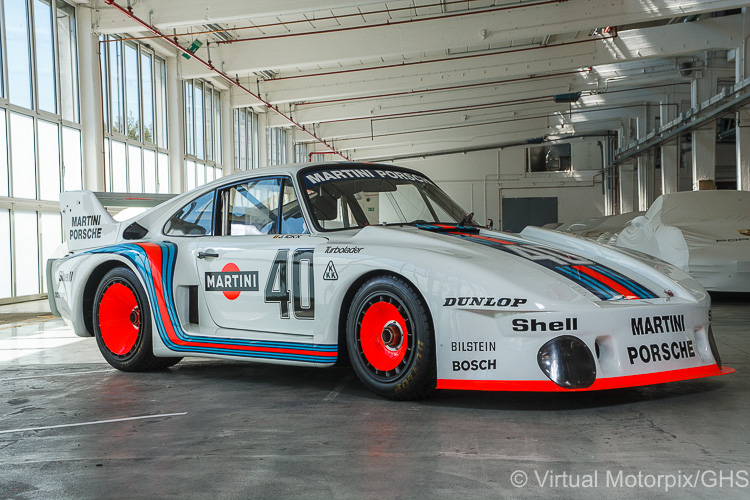
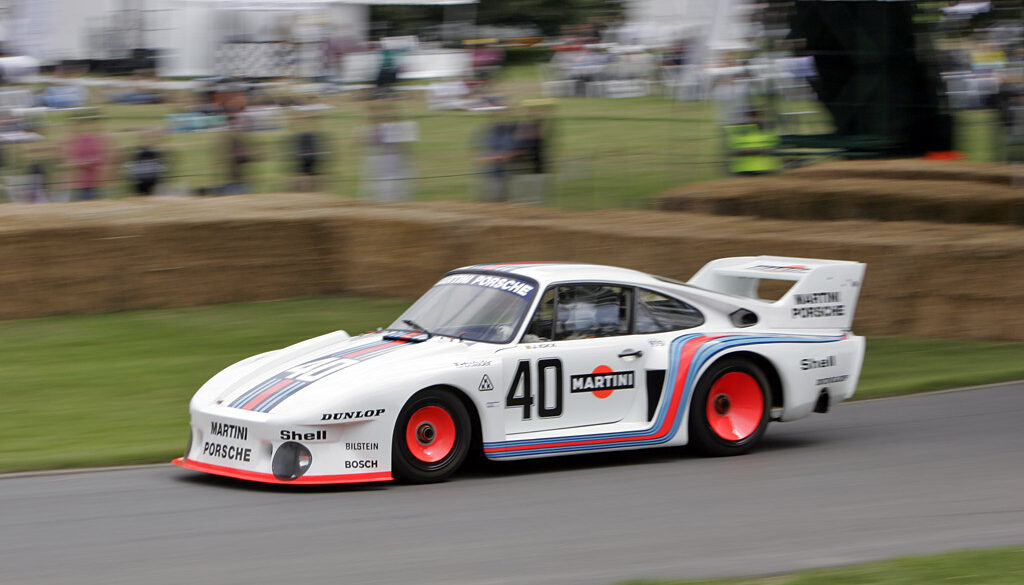
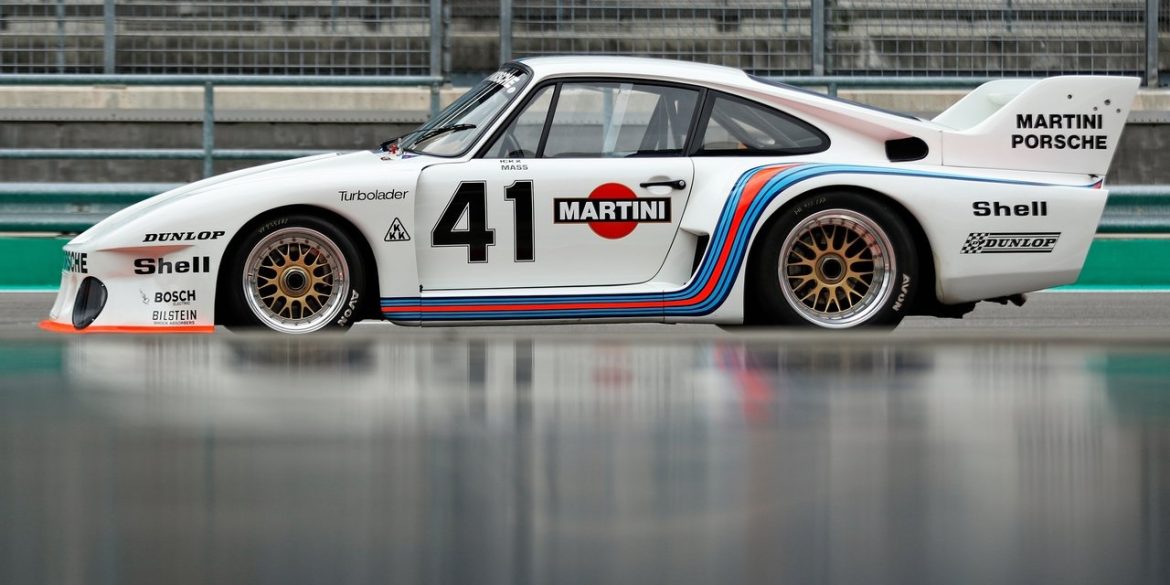
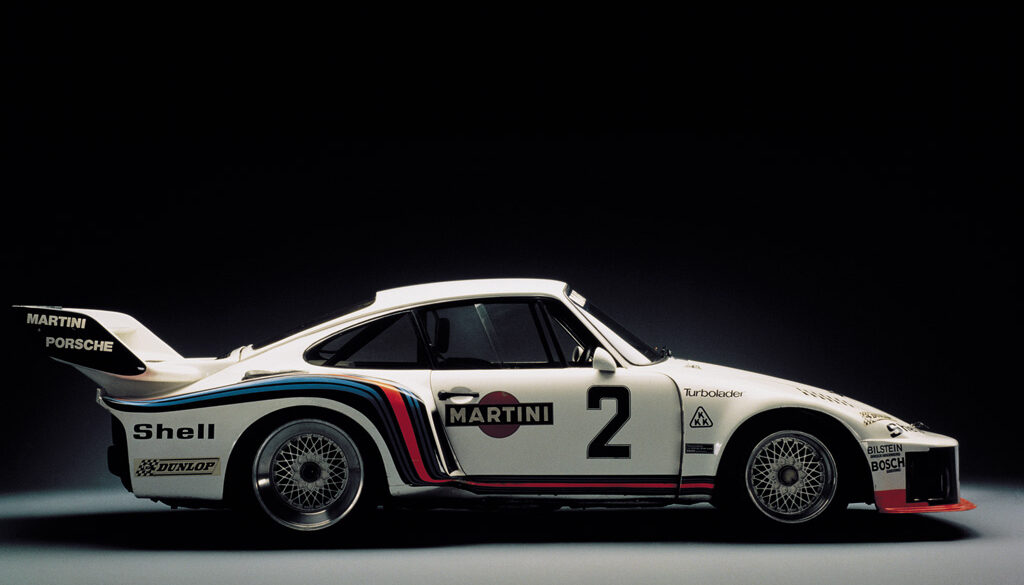
The 935/77 was a result of relaxed rules and the car got a completely new suspension. The mirrors were incorporated into the front fenders and the rear window had a new angle. The 935/77 was visually very pleasing. While the 935/76 had a single turbocharger, the 2.85-litre engine of the 935/77 had two turbochargers. There was also a "baby" 935/77 built with a smaller 1.4-litre turbocharged engine to compete in the national German DRM series under 2 liter class.
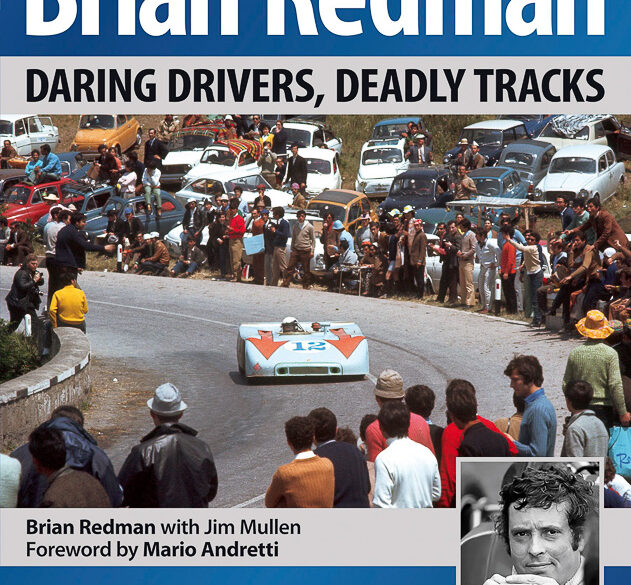
Brian Redman – Daring Drivers, Deadly Tracks © EVRO Publishing Brian Redman is about as down-to-earth as they come, which for a top-flite racing driver, is not an attribute common to all who ply their trade in this field. I have had the pleasure of interviewing Brian on twelve occasions...
In 1979, French cyclist Jean Claude Rude set out to break the world speed record for a bicycle. The previous record for a bicycle, set in 1962, belonged to his compatriot José Meiffret and was 204.7 km/h (127.2 mph). This speed was shown on the German autobahn near Freiburg, where...
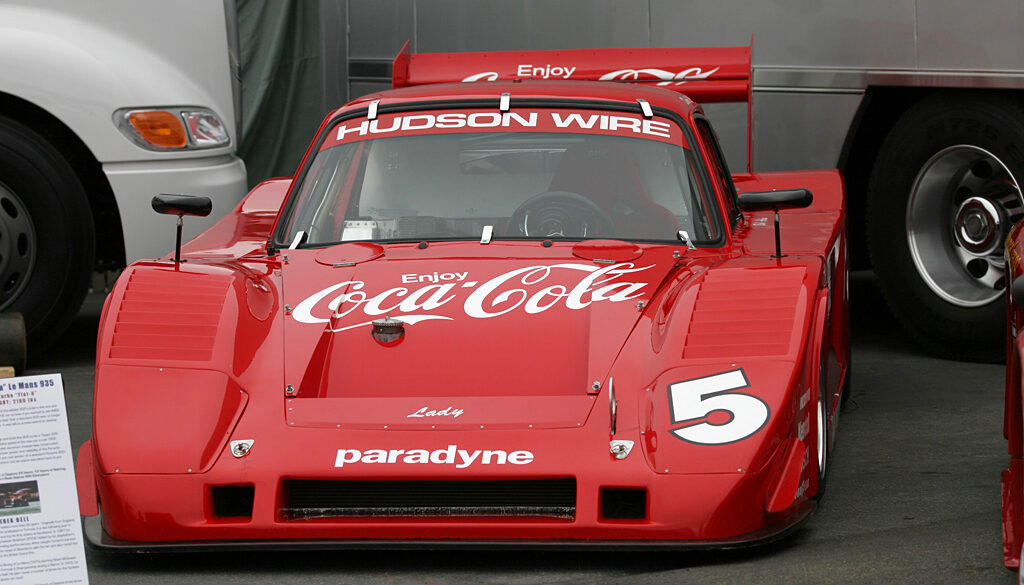
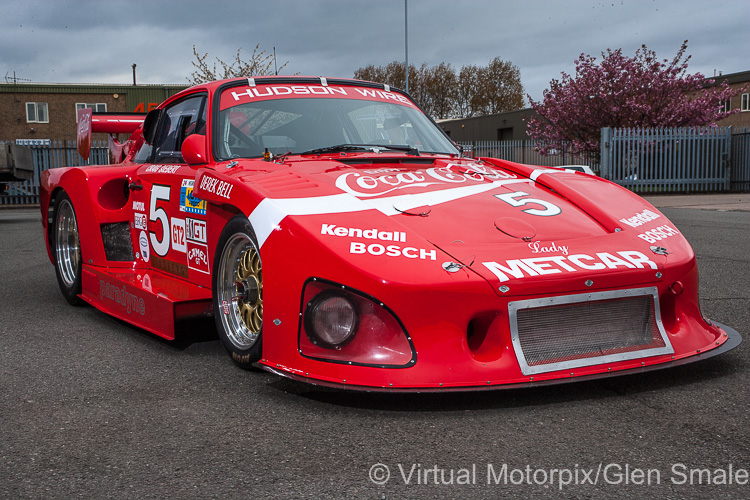
In 1982 Bob Akin Motor Racing commissioned spectacular Porsche 935 to be built for their Le Mans effort. It was built by Chuck Gaa of Gaaco to have a higher topspeed and increased performance. Chuck Gaa fitted a Lola T600 front end to a new bespoke bonded aluminum chassis. According to the regulations, the body retained the 930 roof structure, but was entirely new from the beltline down. The standard 3.2-liter Porsche engine was used and put out 750 bhp. 
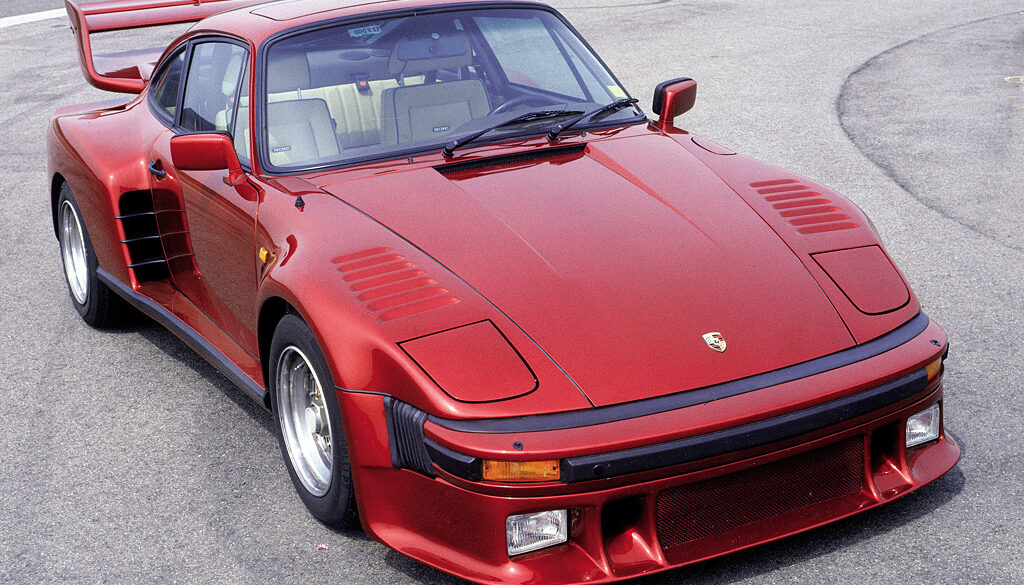
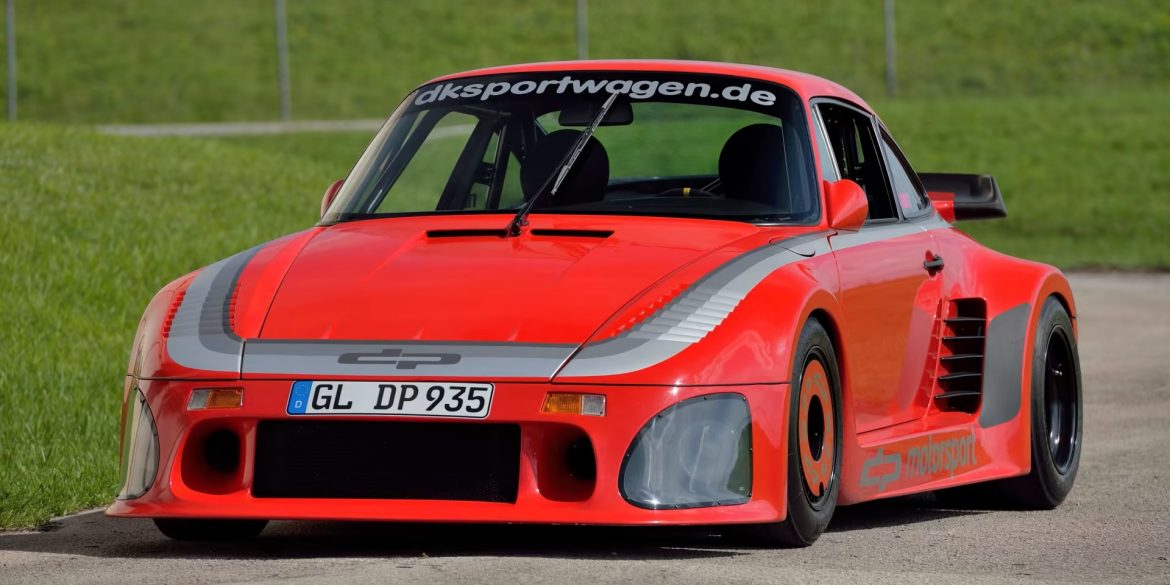
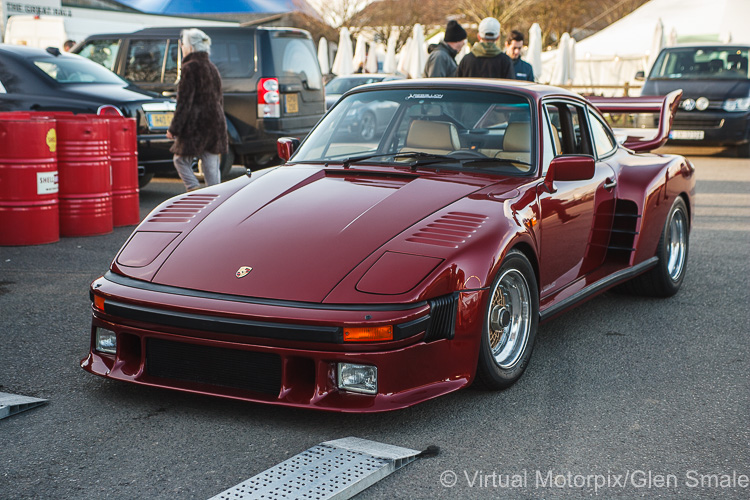
In 1983 Porsche produced a stunning one-of road car for TAG owner Mansour Ojjeh. Based on a 934 chassis, it was designed to mimic the potent 935 racecars and subsequently became the one of the first slantnoses. Both the front and rear sections were made similar to the potent 935 race car which dominated the Group 5 Championship. This silhouette series allowed radical modifications which contributed to the repositioned nose, ultra-wdie flares and extended rear bodywork.
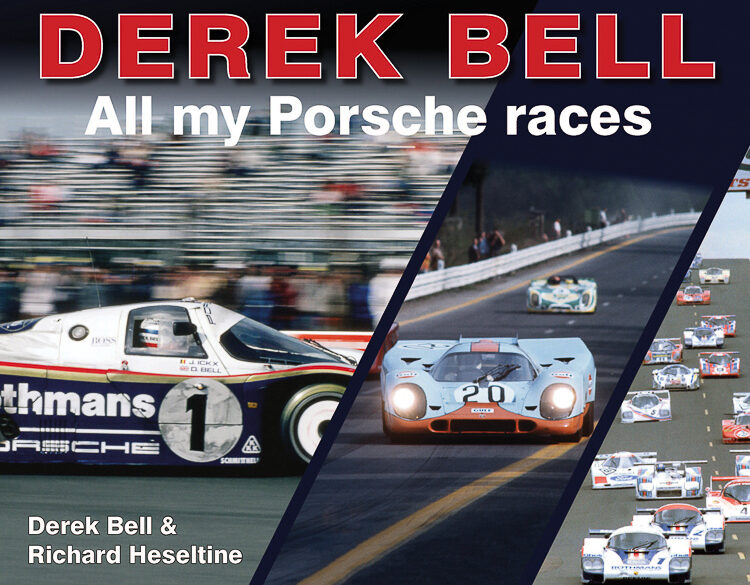
A great many of Derek Bell’s racing achievements were achieved while behind the wheel of a Porsche racing car and for this reason, it was perhaps inevitable that Derek Bell – All my Porsche races, would one day be committed to print, highlighting his extraordinarily successful career. Contrary to what...
Porsche’s sixth edition of the by now much-anticipated Rennsport Reunion kicked off on Wednesday 26 September 2018. You could have expected that this would be a really big one for Porsche, with it being their 70th anniversary year, but the Stuttgart manufacturer really pushed the boat out with this one....
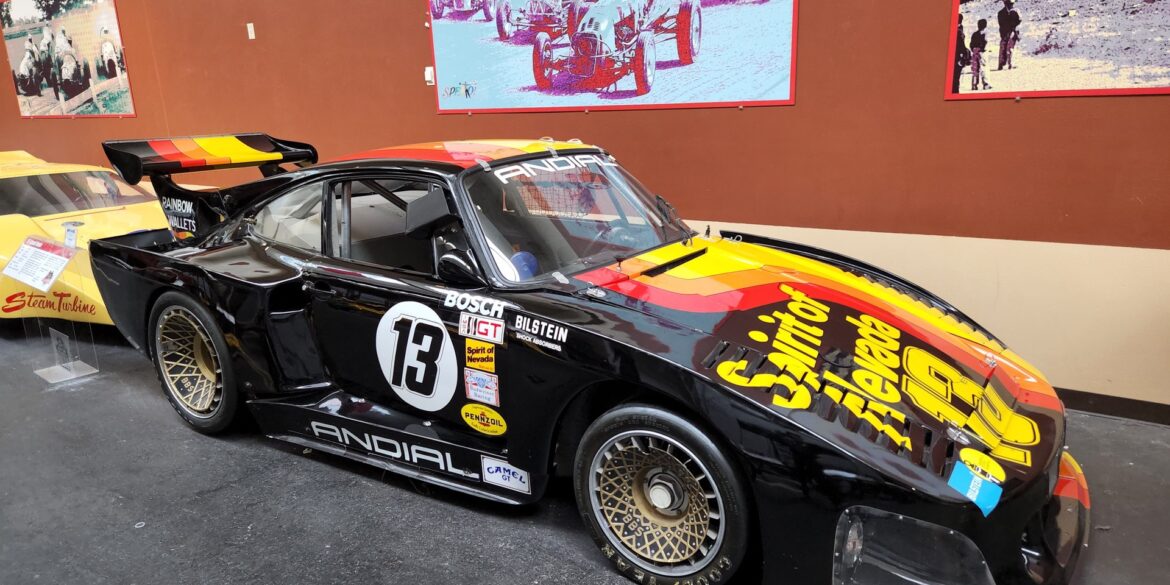
930 770 0905 at the National Automobile Museum Reno Nevada USA
Sports car racing went through some turbulent times in the early 1970’s. At the start (1970) the world championship was decided by the 5.0 liter sports cars such as the Porsche 917 and the Ferrari 512. The FIA /CSI (International rules body) at first did not think anyone would build...
Le Mans 24 Hours, 14-15 June 1969: On the final lap, the No. 64 Porsche 908 LH of Hans Herrmann/Gérard Larrousse swapped places with the No. 6 Ford GT40 of Jacky Ickx/Jackie Oliver as many as five times. The two cars were so evenly matched that what the Ford lacked...
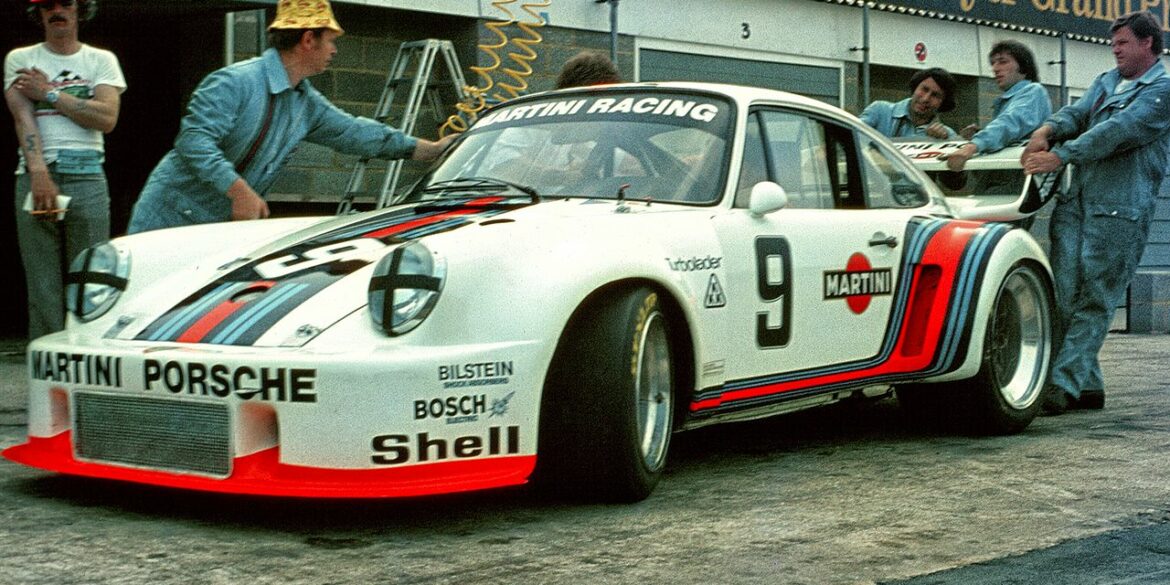
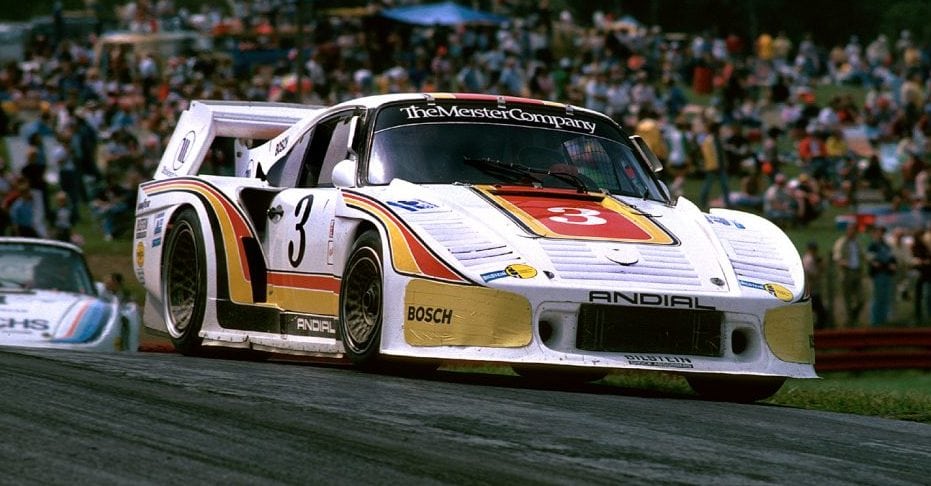
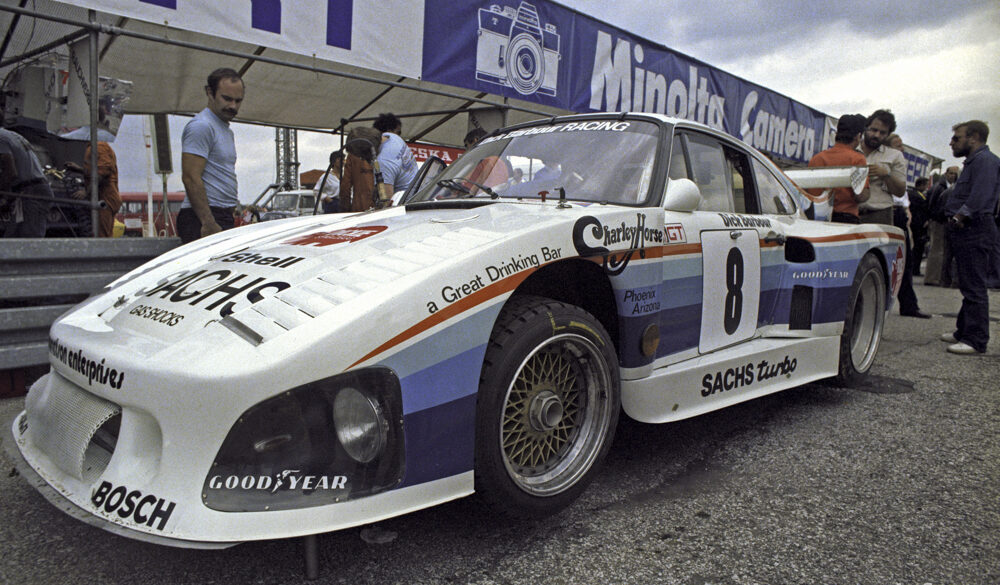
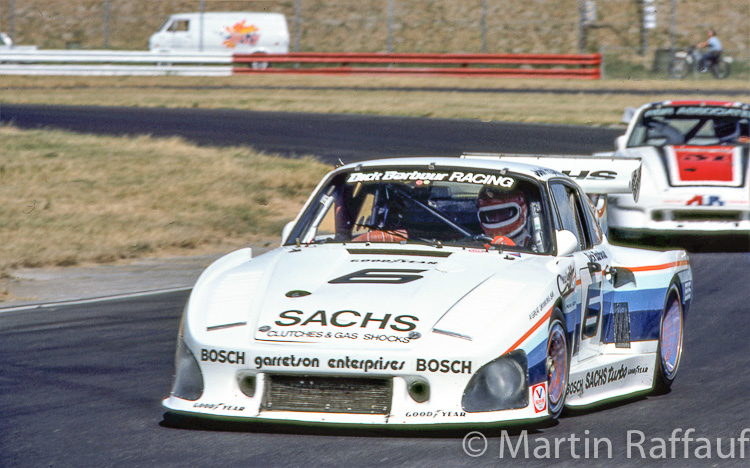
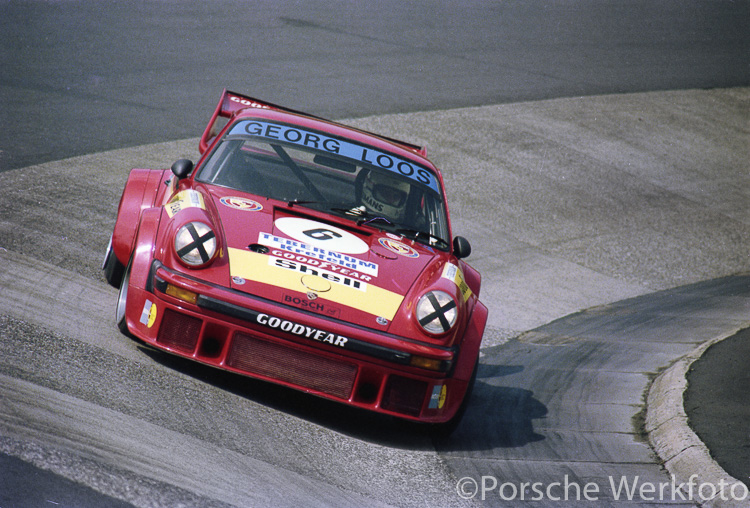
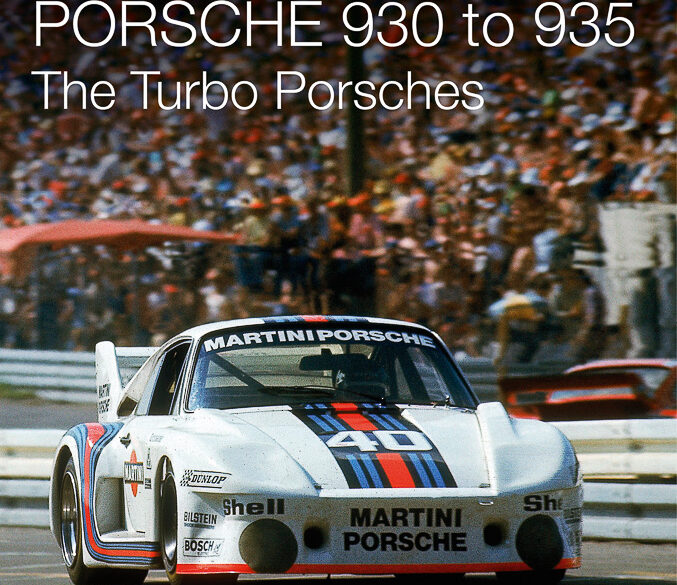
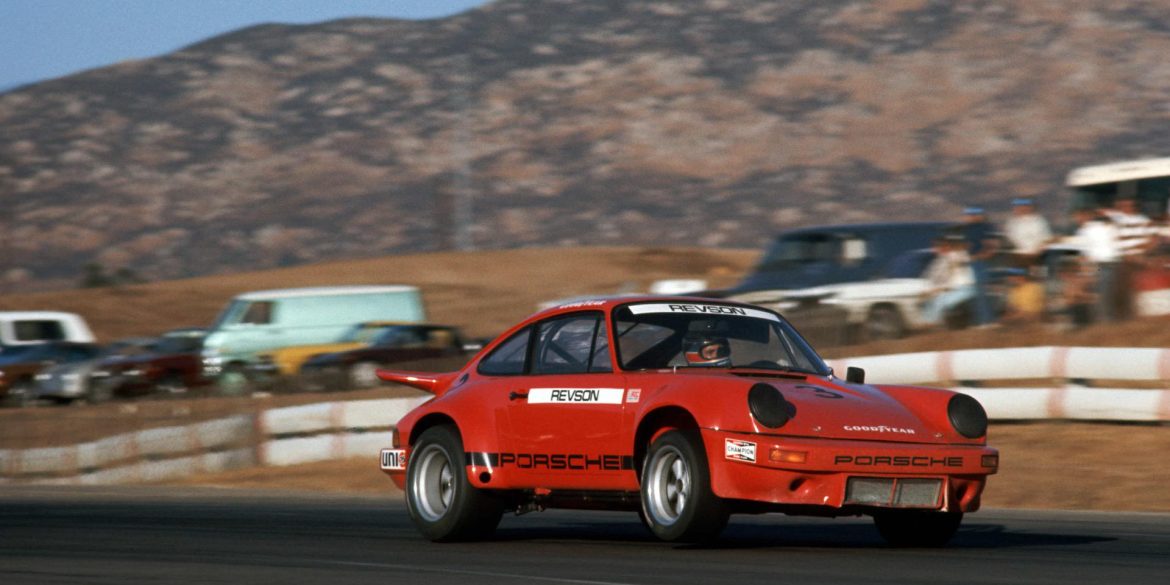
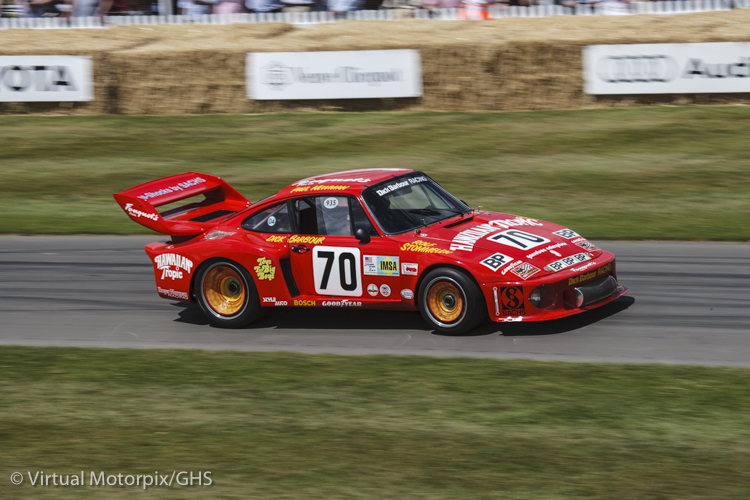
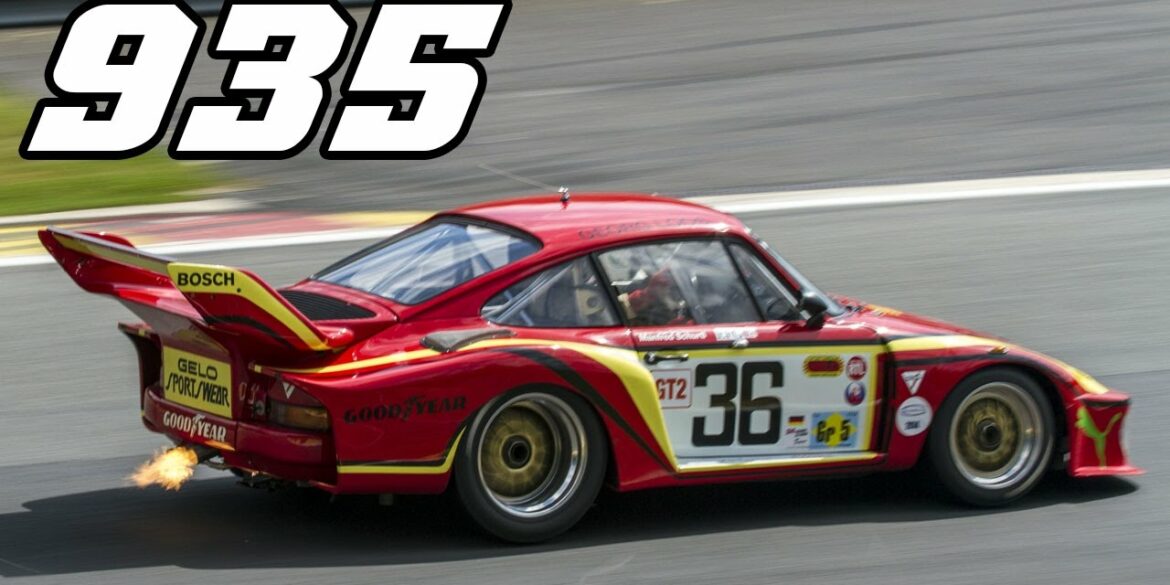
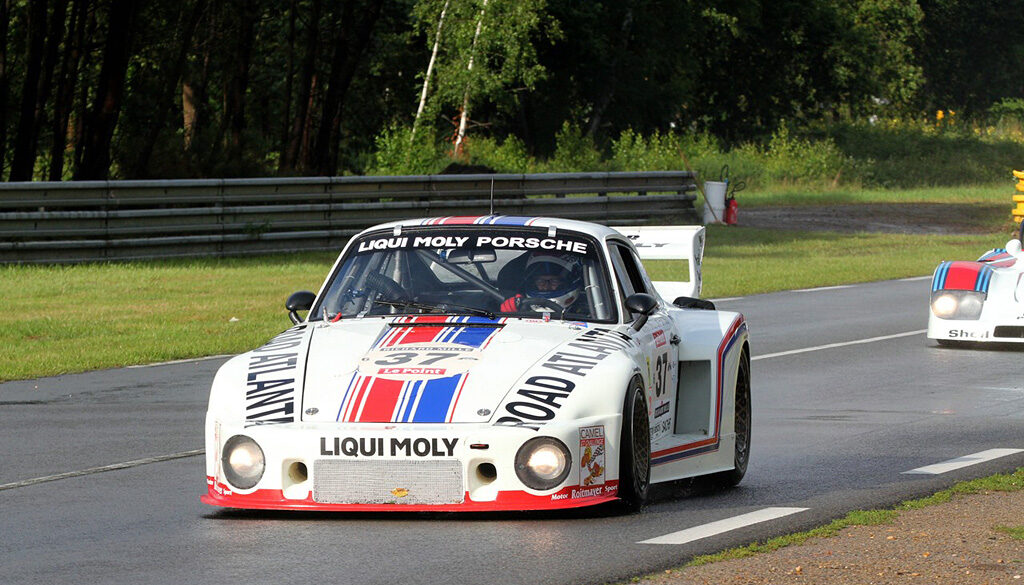
The Group 4 racer based on the 911 Turbo (930) was called 934 and the Group 5 Porsche was called 935. The first version of the 935 looked similar to the 911 Carrera RSR. The first customers for 935 were Martini Racing and Kremer Racing. The Martini car was a full factory development, while Kremer made its own enhancements already before the first race. By 1977, the 935 was sold as a customer car for these series to race against cars like the BMW CSL.
1979 Porsche 935 chassis #009 0004 – Willow Springs International Raceway © Robert Graham Junior The phone rang, it was my old friend Carlos de Quesada. “I’ve just bought a 935 to restore,” he told me. “Great,” I replied, “which one?” “#009 0004,” announced Carlos. Chassis #009 0004? I had...
Le Mans: The Official History 1970–79 by Quentin Spurring © Virtual Motorpix/Glen Smale This edition of Quentin Spurring’s fabulous series covers the 1970s in his well-known and valuable decade-by-decade history of the Le Mans 24 Hours endurance race. The decade from 1970 to 1979, certainly saw some of the most...
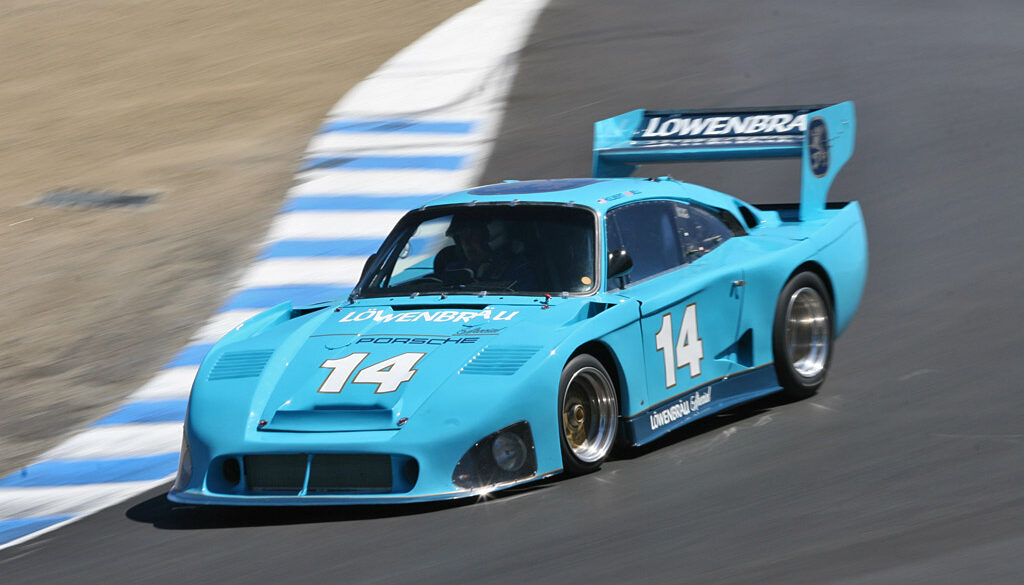
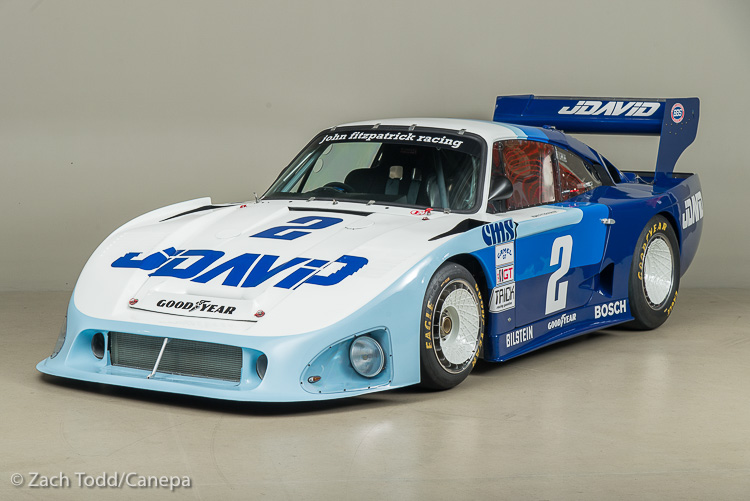
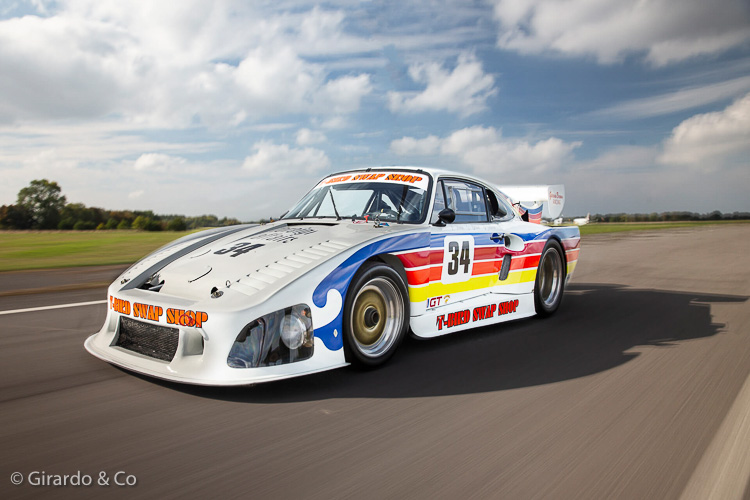
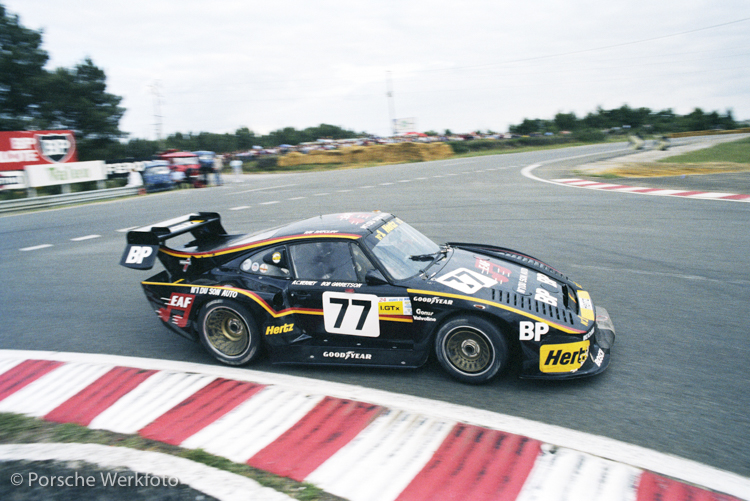
Using factory 935/78 ‘Moby Dick’ plans, Kremer built their own version. In doing so they modified the body to their own design to include more downforce. Only two cars were built in K4 specification. Bob Wollek drove the first car to win the Porsche Cup in 1981. Later this car was sold to John Fitzpatrick Racing and driven by John Fitzpatrick and David Hobbs to many successes in the IMSA series.
Background Since the 1960s, Porsche has been optimizing the aerodynamics of future racing and production vehicles in the wind tunnel with the help of special miniature models. The example of the legendary Porsche 935/78 shows how this works. Model vehicles feature in many a display case as diminutive dream cars....
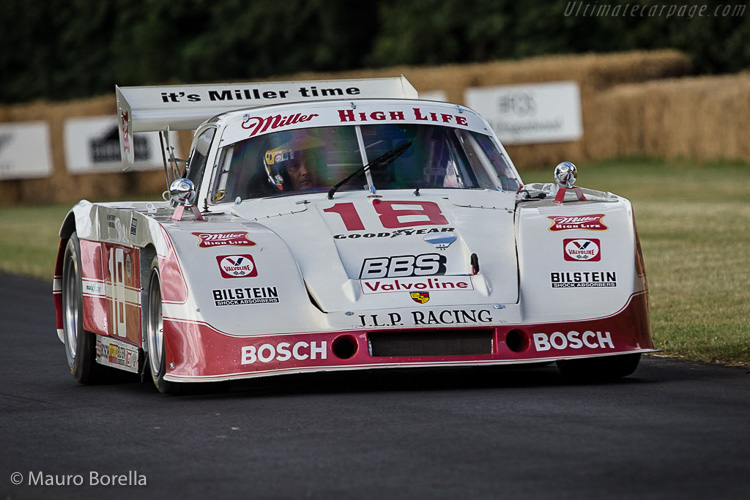
Porsche 935 JLP-4 at the Goodwood Festival of Speed, 2014 JLP-4 was the final race car in the line of Porsche 935 specials built for the John Paul father and son team. Using this final ‘weapon’, the Pauls notched up several outright victories in IMSA races and, in combination with...
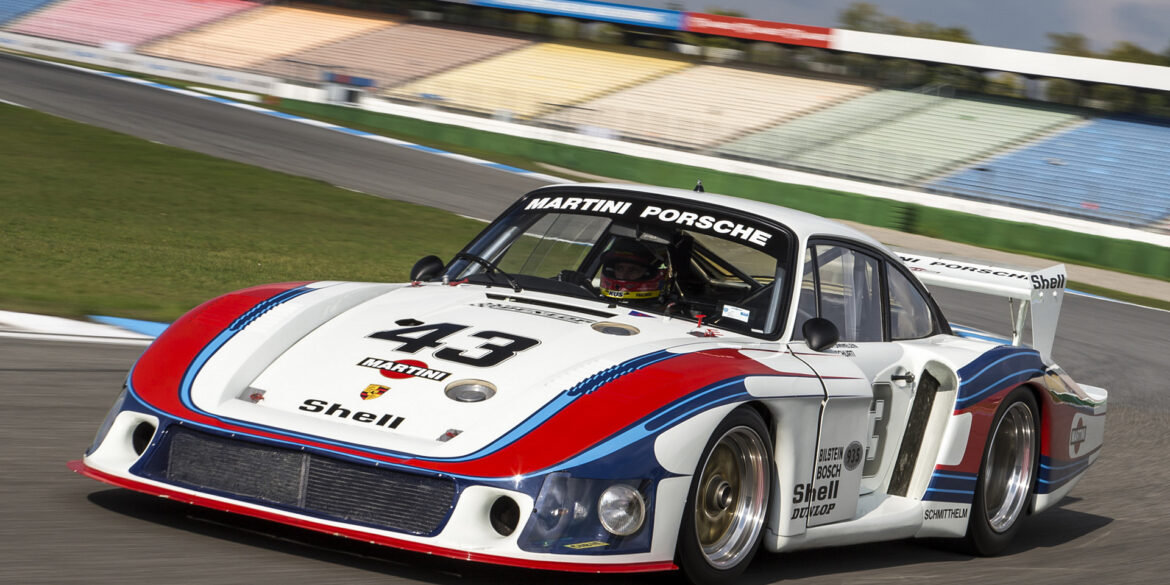
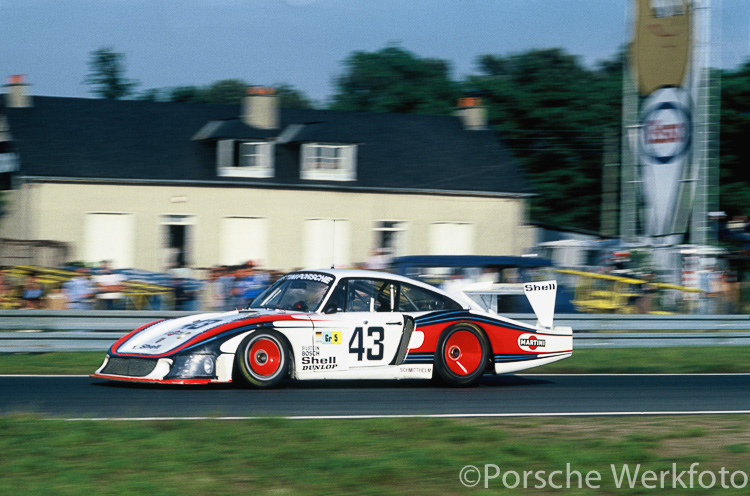
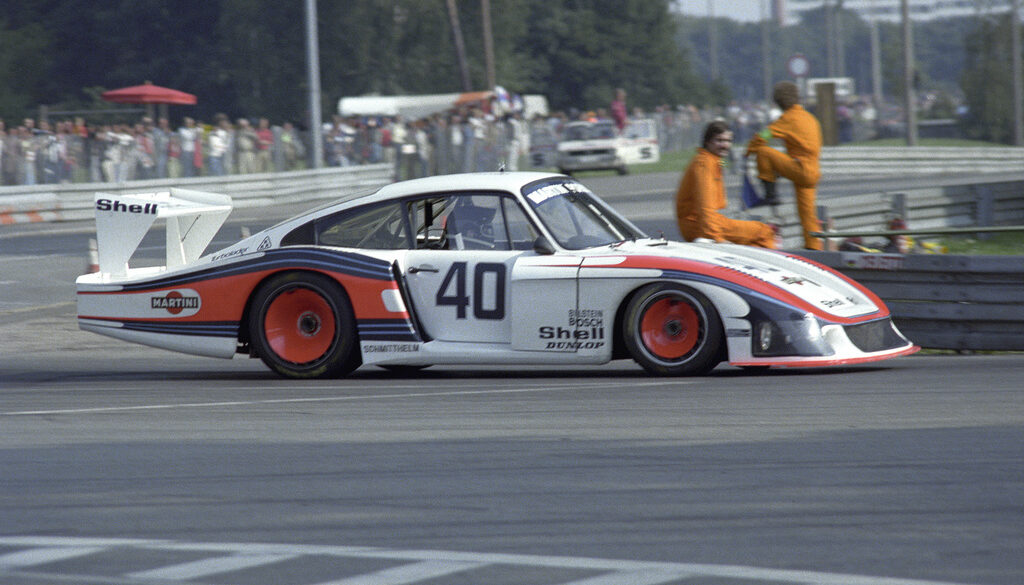
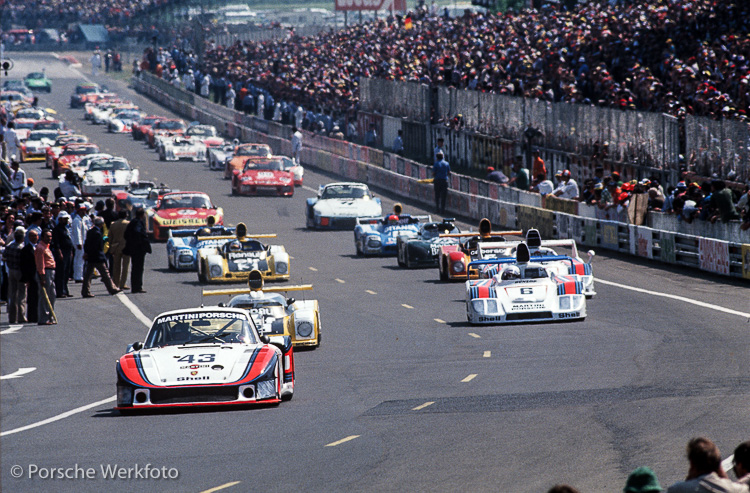
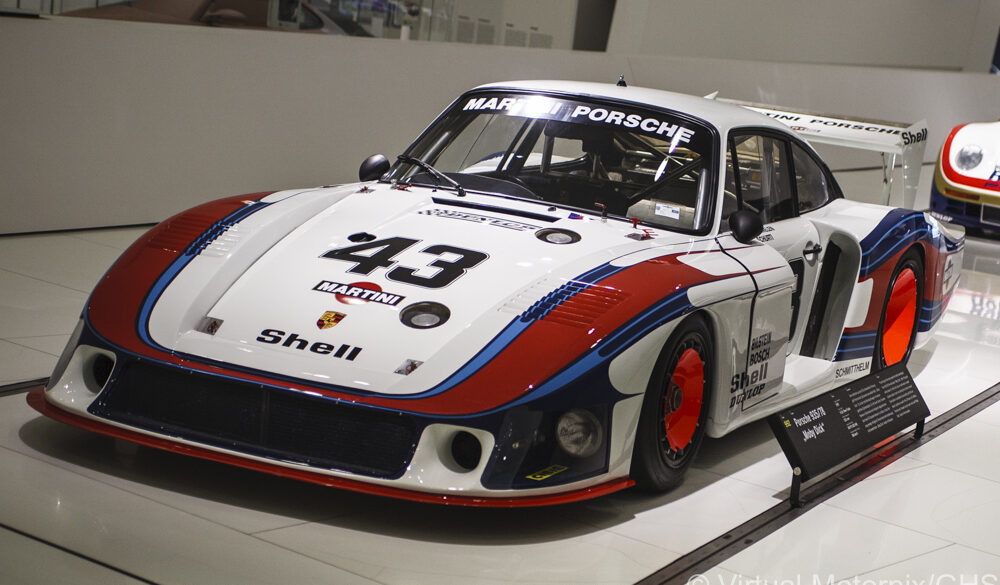
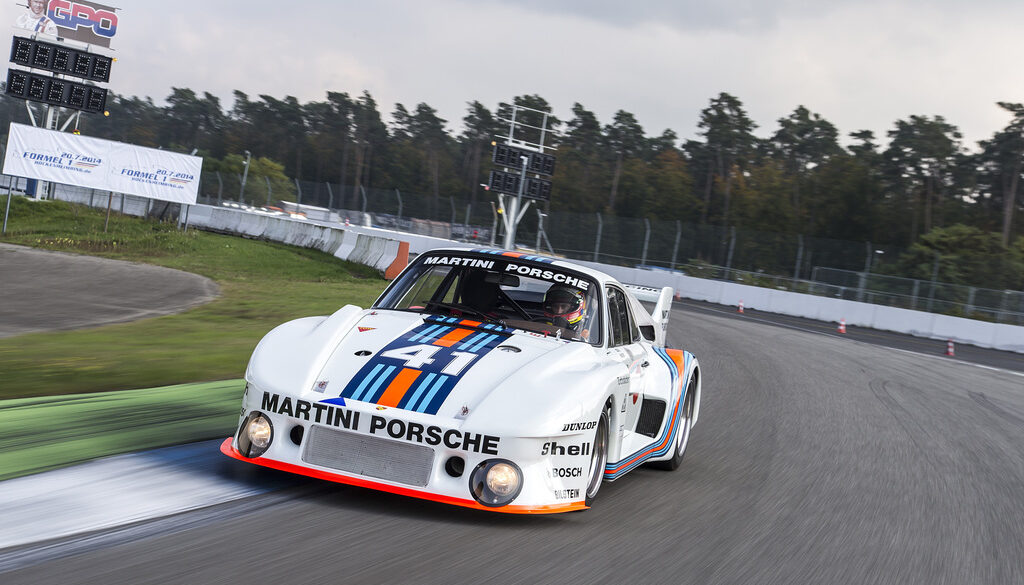
The 935/78 was the ultimate expression of the 911 factory race car before Porsche officially withdrew from motor sport. Raced under the Group 5 silhouette series, great liberties were taken with the design and the result was nicknamed ‘Moby Dick’ for its large size and huge overhangs. The 935/78 was built under Porsche's Chief Racing by Norbert Singer for high speeds at Le Mans. Due to the advanced shape of the car 227 mph or 366 km/h was possible.
Without any doubt, one of the most exciting classes or motor racing during the 1970s was the GT class, which included the Group 4 and Group 5 or ‘Silhouette’ classes. It wasn’t just the cars that were exciting, but the gallant combatants had character and guts, making this one of...
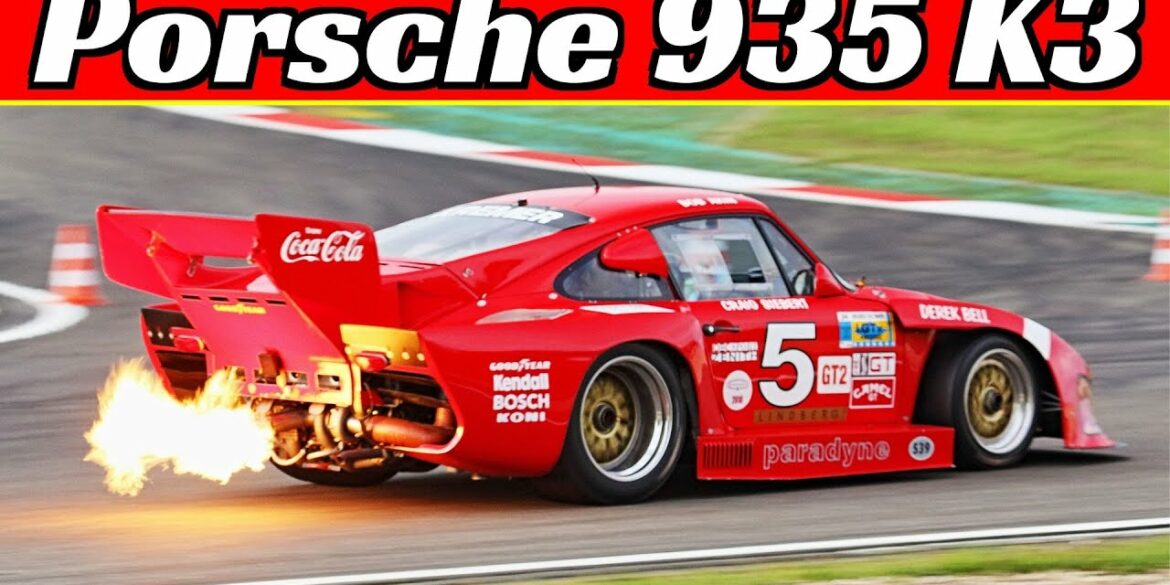
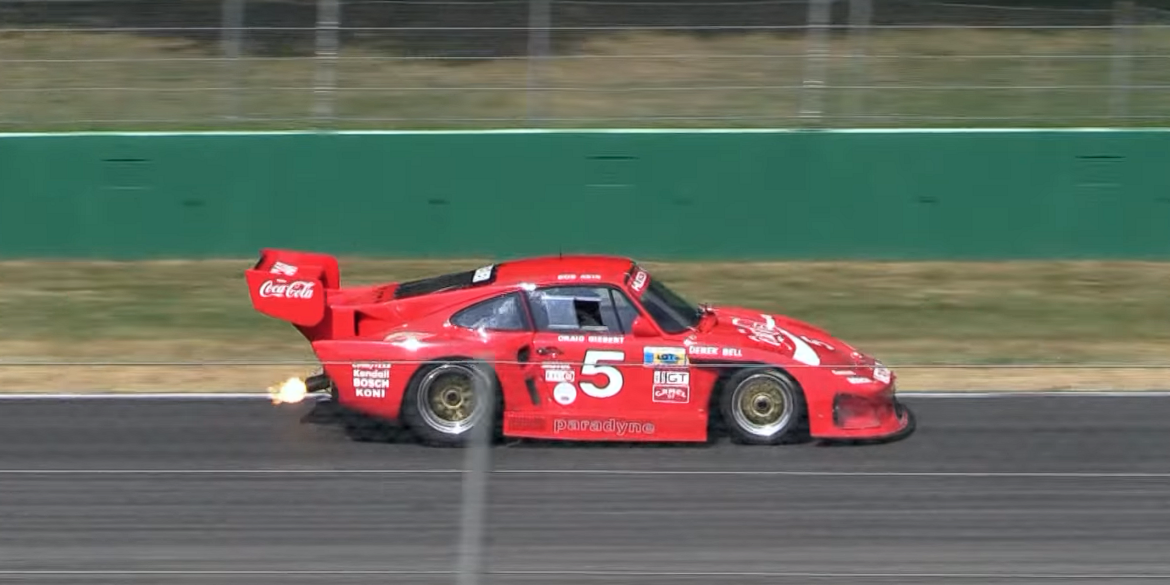
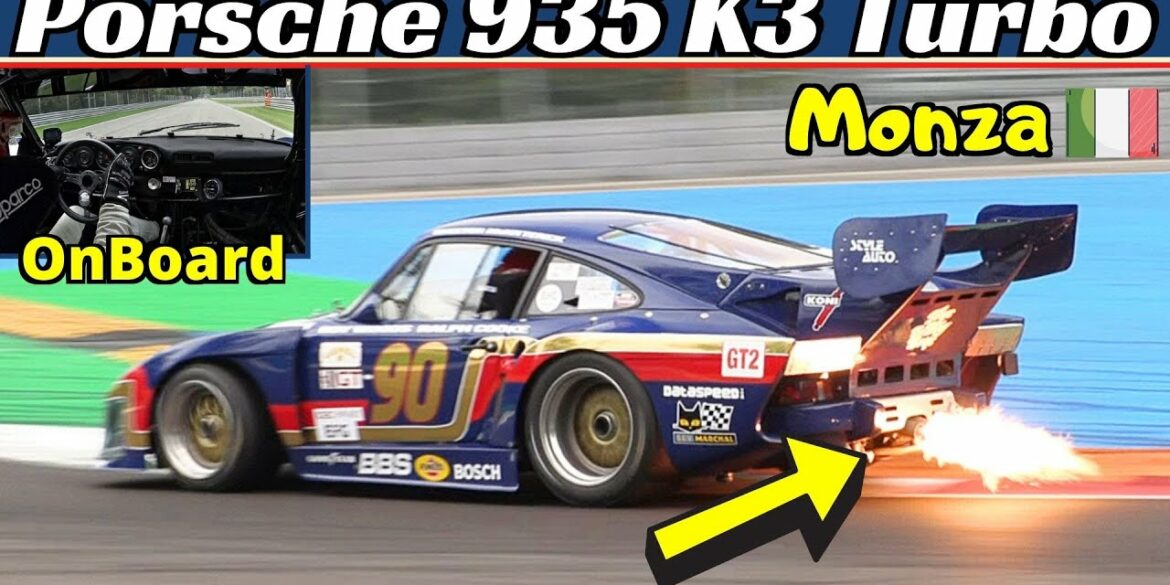
Porsche 935 Turbo Monster + Onboard I had the pleasure of filming this amazing Porsche 935 k3 Kremer Gr.5 during the 2020 Monza Historic. We have to thank the pilot Jean-Marc Merlin and all the guys from Team Equipe Europe for being very kind to us and let to install...
Porsche 930 to 935: The Turbo Porsches – by John Starkey © Veloce Publishing Ltd Much has been written about Porsche’s racing exploits over the years, but there is perhaps one model that has served, more than any other, as the pillar of the company’s achievements. Prototypes have come and...
Porsche 935/77
Porsche 935/77 Specifications This is the spec sheet for the Porsche 935/77. Note there was also a 1.4 Liter “Baby” Porsche 935 and those specs can be found here. No Subscription? You’re missing out Get immediate ad-free access to all our premium content. Get Started Already a Member? Sign in to...
From 1977 through the 1980s, Porsche 935s dominated Group 5, GTP, and GTX racing across Europe and North America. With later versions crafted by Kremer, Joest, Gaaco, and Fabcar, Porsche’s supremacy faced little opposition. This effort culminated in a historic overall win at the 1979 24 Hours of Le Mans....
As we wave goodbye to 2018 and usher in a brand-new year, we look back on the top ten favourites that we were privileged to publish in the last twelve months. We have decided to bring you our top 10 from 2018 (in chronological order) to show you, our valued...
Group 5 origins The history of chassis 935-001, and Porsche’s 935 program at large, originates in a major revision to the FIA’s Group 5 category. While the general template for Group 5 had been in place since 1966, for the 1976 racing season the FIA changed the rule book to...
Yes, you might think the title is a mis- print, but it is not. HSR (Historic Sportscar Racing) put on their now annual Historic 24-hour race for vintage cars at Daytona International Speedway from 4-8 November. This event is run in a similar fashion to the Le Mans 24 historic...
Almost no other brand represents personal freedom and individuality like Porsche. The first customer requests appeared in the 1950s, laying the foundation for today’s Sonderwunsch department and Porsche Exclusive Manufaktur. From the very start, Ferry Porsche connected his sports cars to the vision of fulfilling dreams, and the brand has...
In the late 1970s, while Porsche’s 935 was dominating GT racing, the Kremer brothers, Manfred and Erwin, believed they could enhance the factory cars. Operating a Porsche dealership, Erwin raced Porsches tuned by Manfred. By 1977, Manfred began extensively modifying the cars, producing the 935 K2 in 1978, which rivaled...

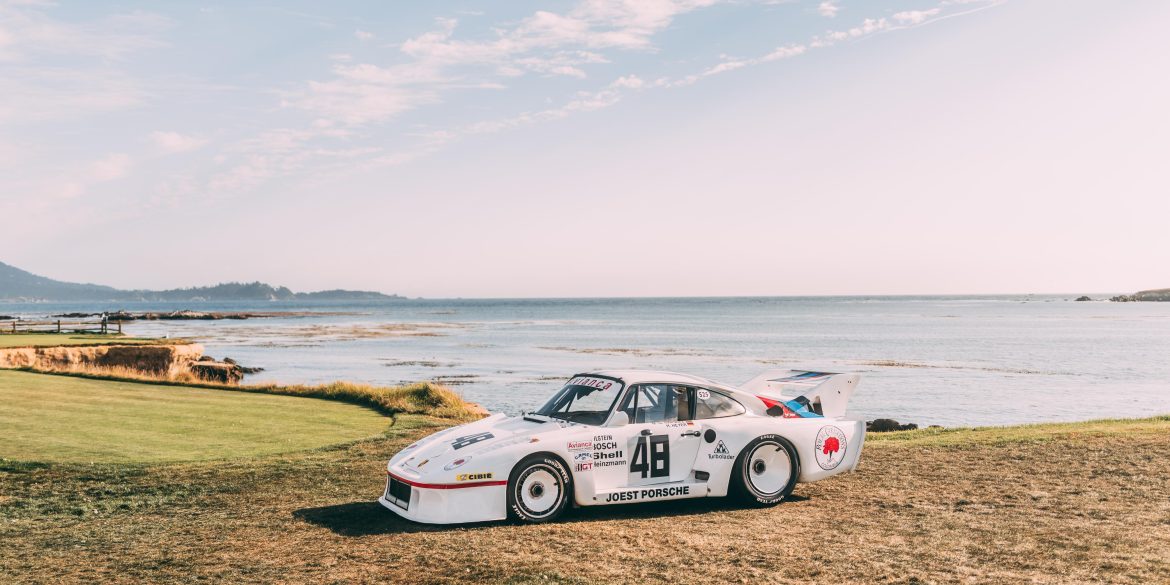
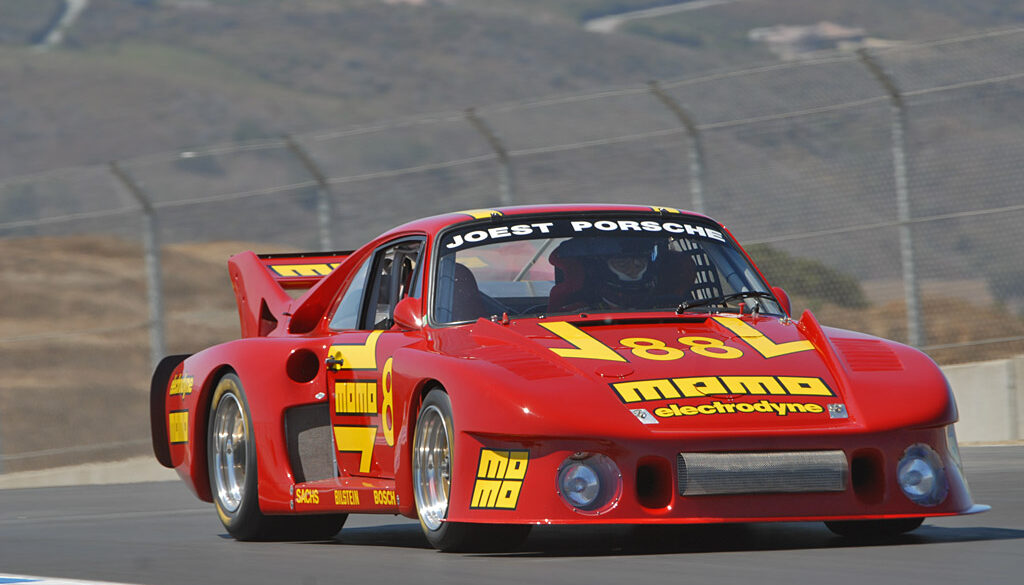
Inspired by the Kremer brothers, Joest built their own version of the 935 for the 1979 season. Like the factory cars it featured intakes in the C-pillars and also had a slightly different front profile. One car was campaigned by Liqui Moly Joest Racing and won the 1980 Daytona 24 Hours outright as driven by Reinhold Jöst, Rolf Stommelen and Volkert Merl. A second car was built up for Electrodyne and raced with Momo livery in the USA.
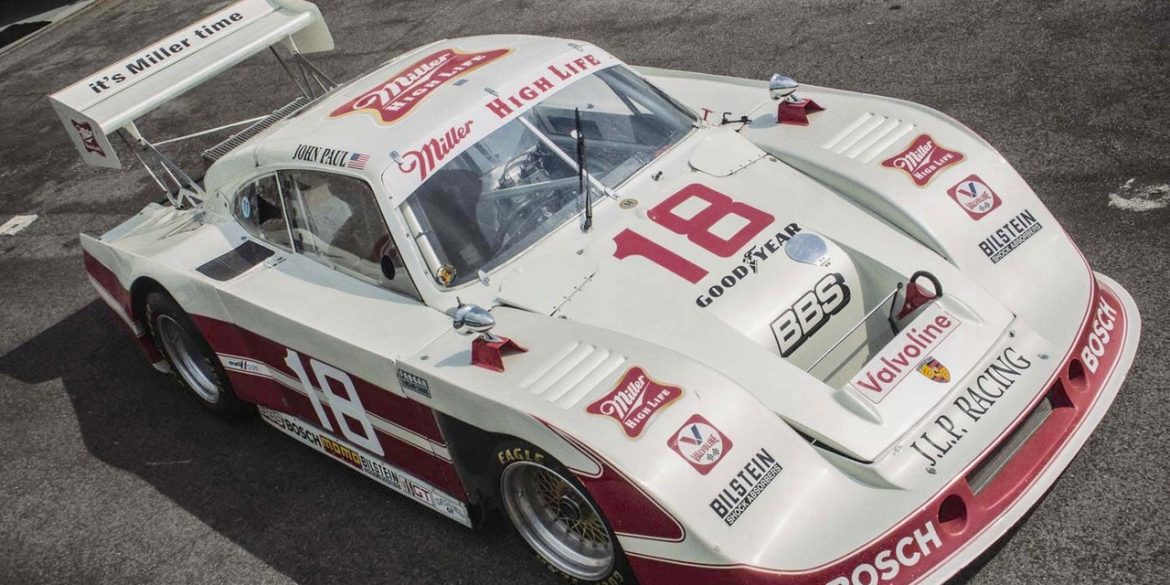
JLP-4 Porsche 935 in Miller High Life livery on pavement
There are 935s, and then there are 935s… Although almost a hundred Porsche 935s were built between 1975 and 1984, with the factory building some forty two cars and customers building the remainder, JLP-4 was by far the most radical of the Group 5 breed. No Subscription? You’re missing out...
Porsche 935 chassis no. 009 00030, the Old Warhorse speeds up the hill at the 2015 Goodwood Festival of Speed with Brian Redman at the helm This is a story of the incredible career of Porsche 935 009 00030, one of the most amazing race cars ever, or as someone...
Le Mans 24 Hour, 13-14 June 2015: Lined up prior to the formation lap are (from L-R) – the #18 Porsche 919 Hybrid driven by Marc Lieb/Romain Dumas/Neel Jani (finished 5th); #17 Porsche 919 Hybrid driven by Timo Bernhard/Brendon Hartley/Mark Webber (finished 2nd); #19 Porsche 919 Hybrid driven by Earl...
The 935 ‘Baby’, based on the successful 935 Group 5 race sports car, was created in 1977, after only four months of development,, specifically for entries in the small division (up to 2000cc) of the German Sports Racing Championship. Compared to the Group 5 car, this little 935 had a six cylinder turbo engine of 370bhp, reduced to a displacement of 1.4-litres. A thorough diet helped ‘Baby’ meet the minimum weight of 750kg as dictated by the rules.