
Become a premium member for just $35/year and get ad-free access!
JoinedMay 4, 2021
Articles4,165
Comments2
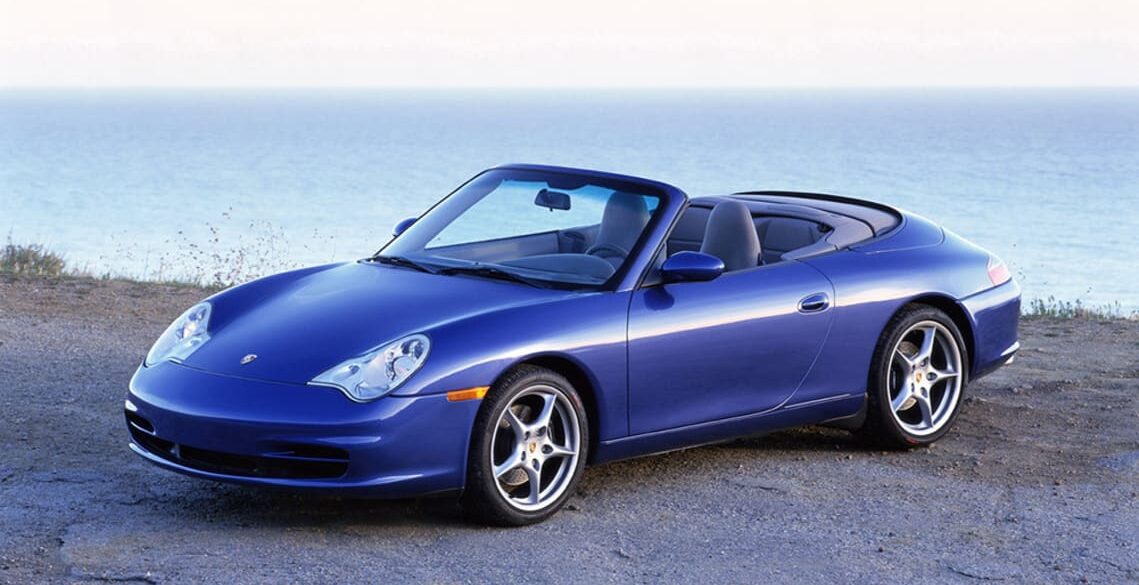
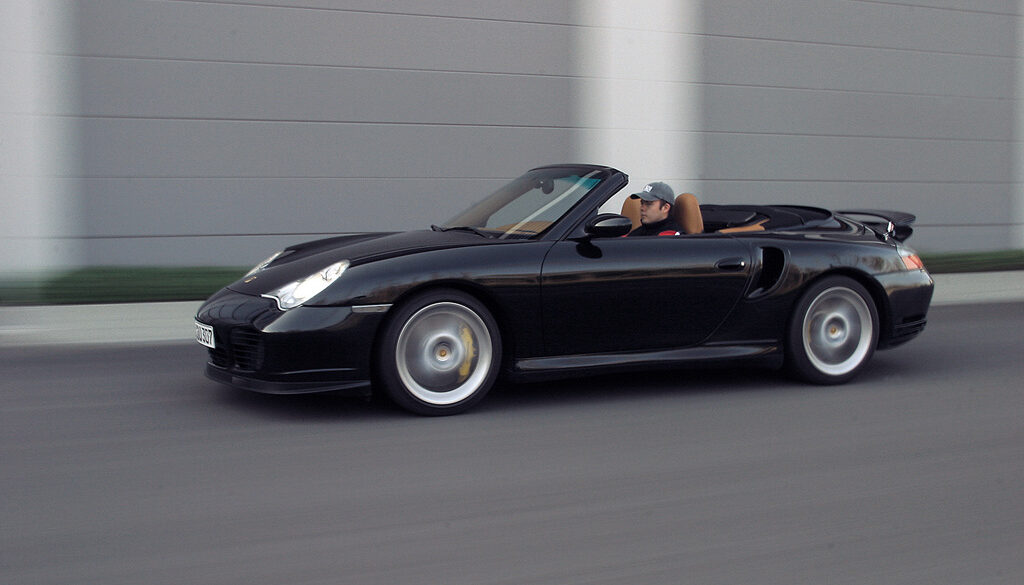
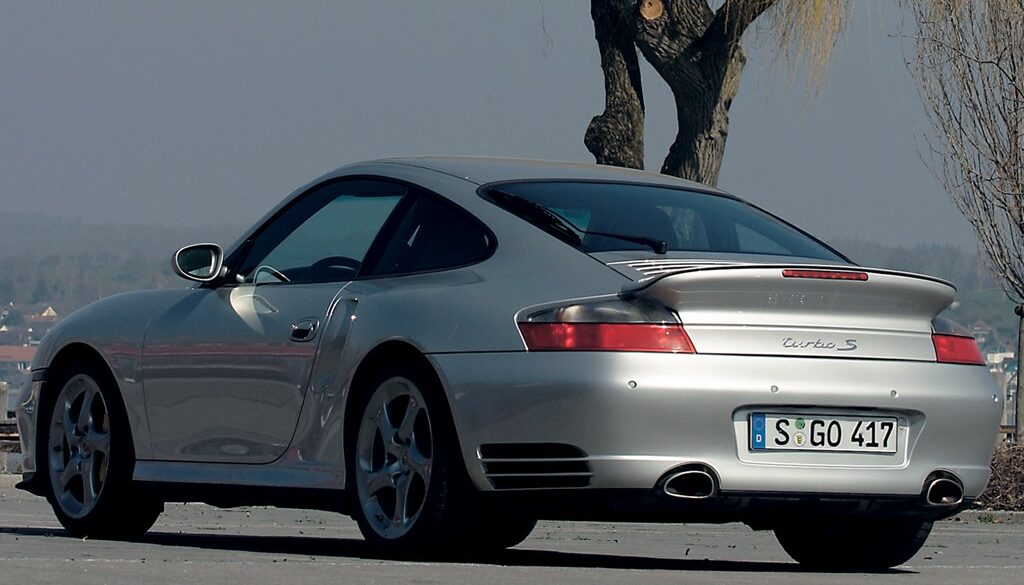
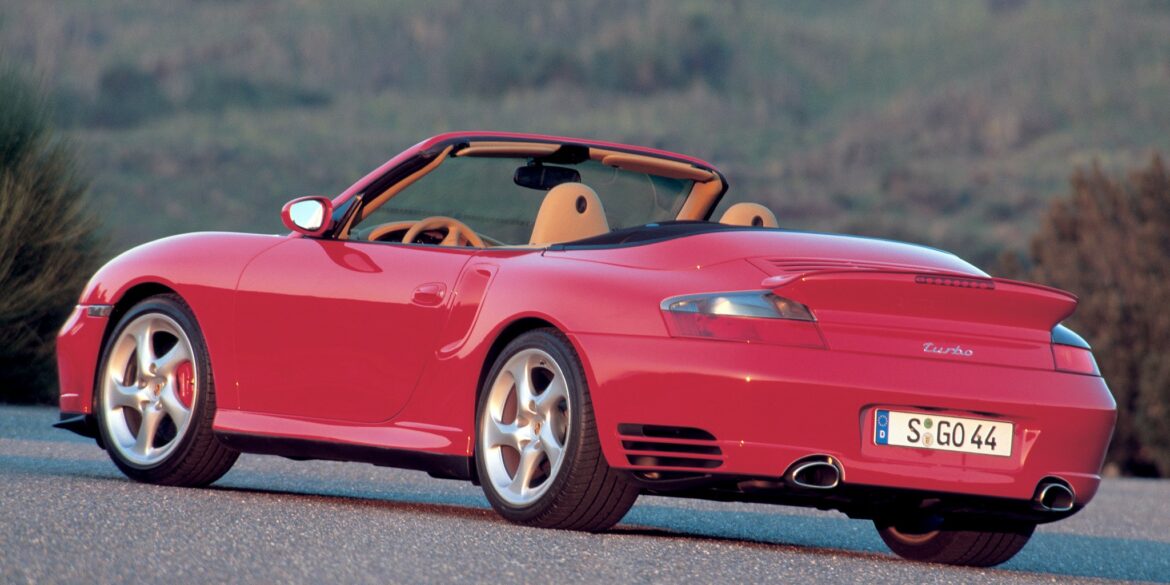
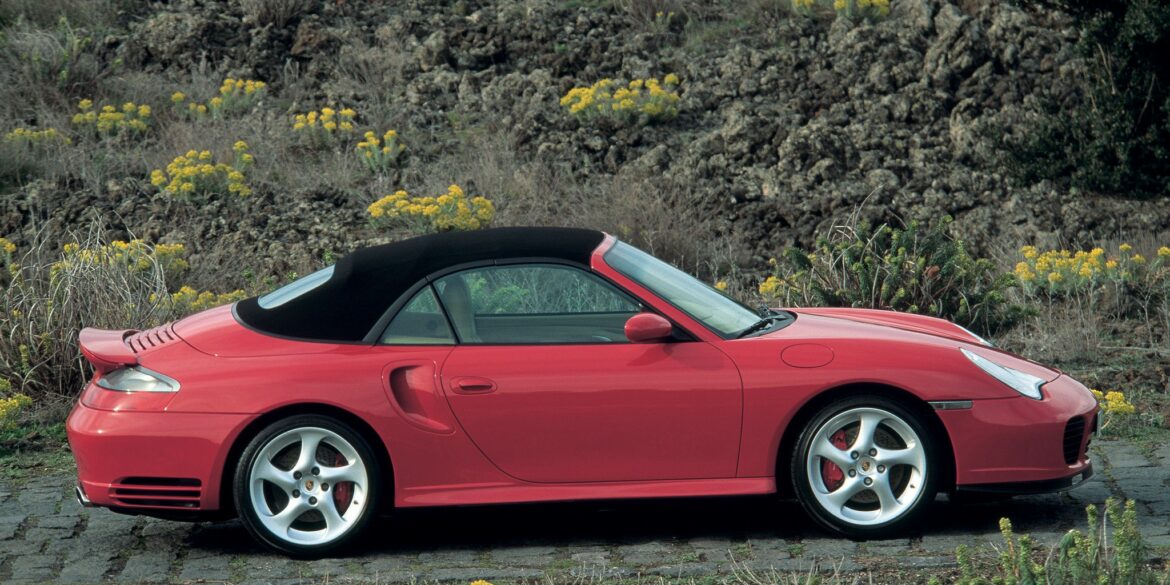
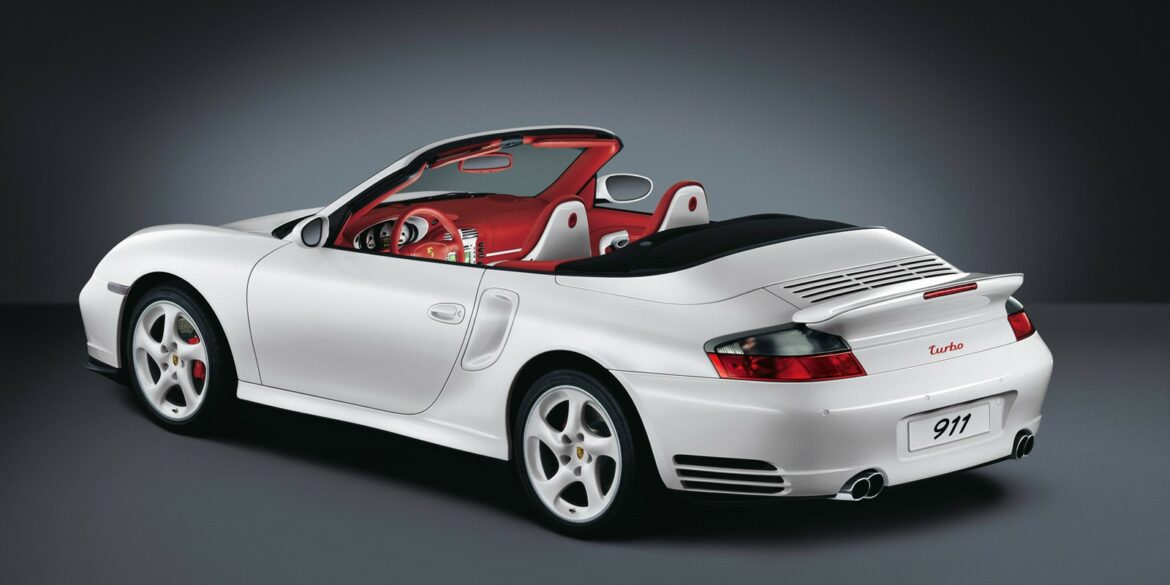
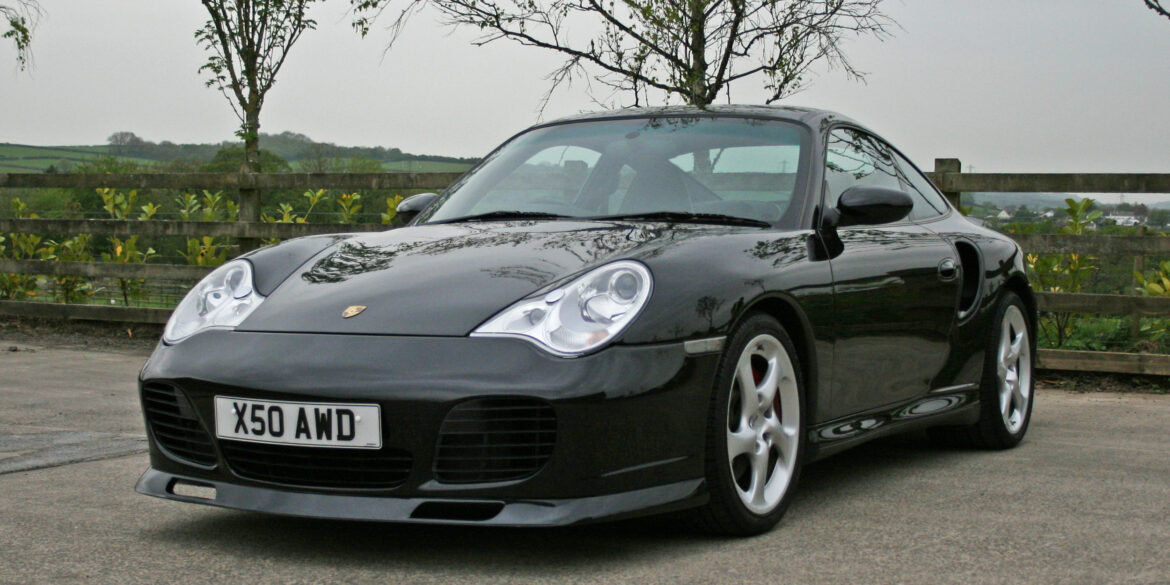
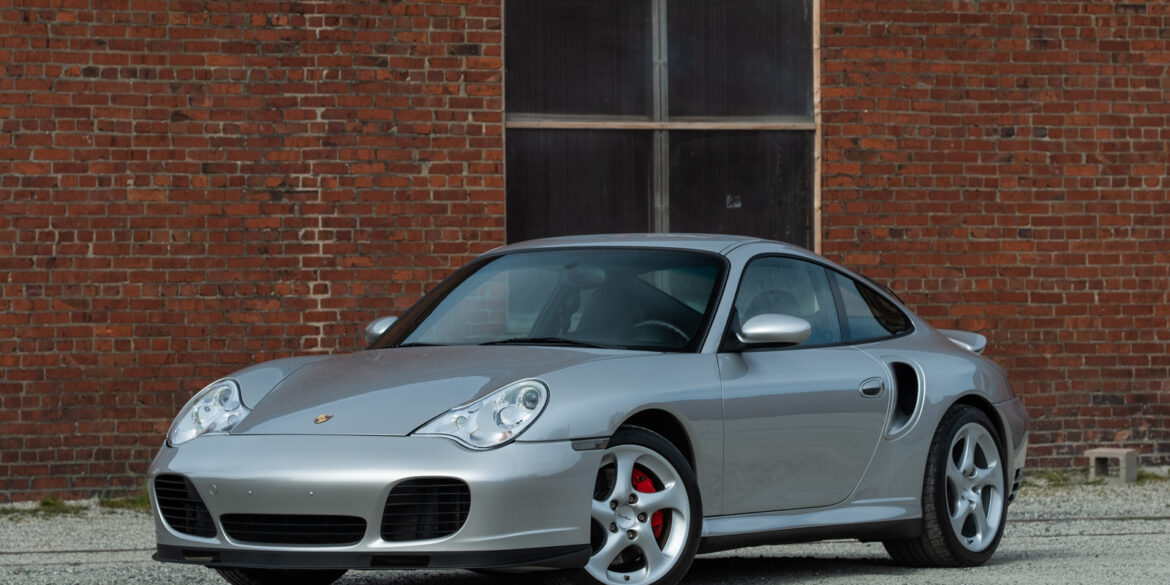
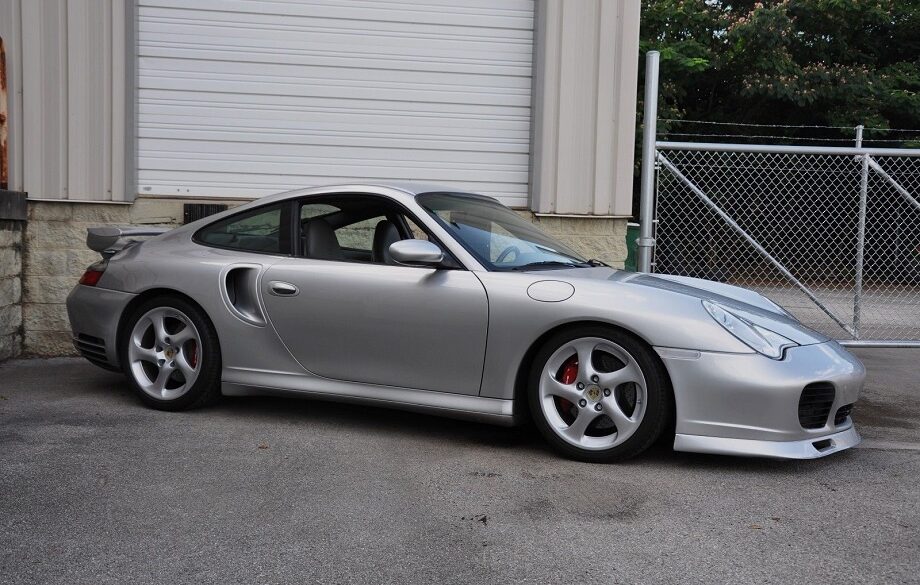
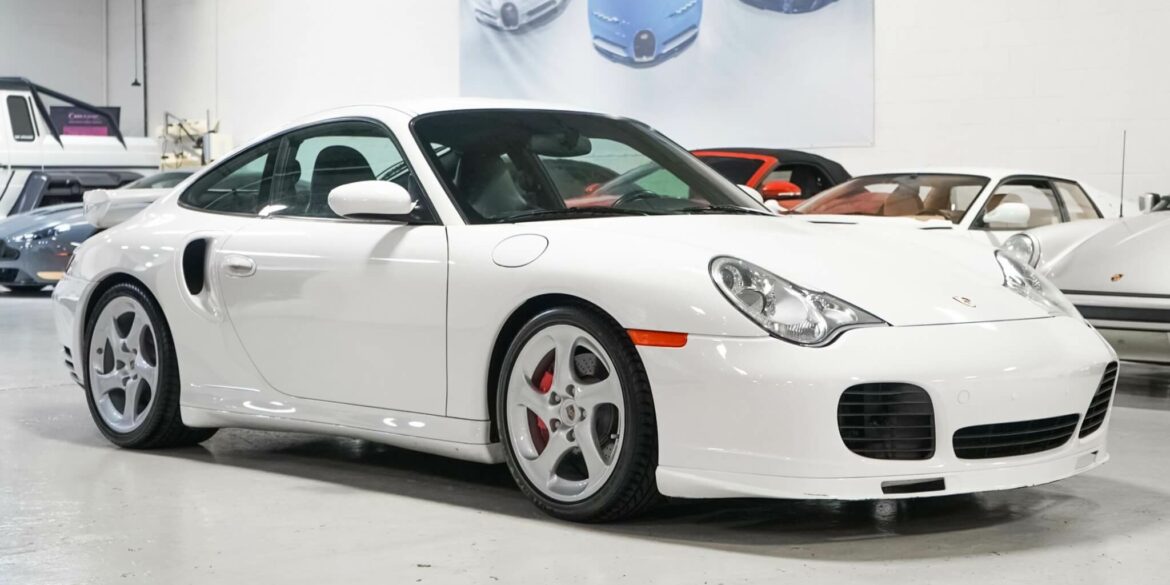
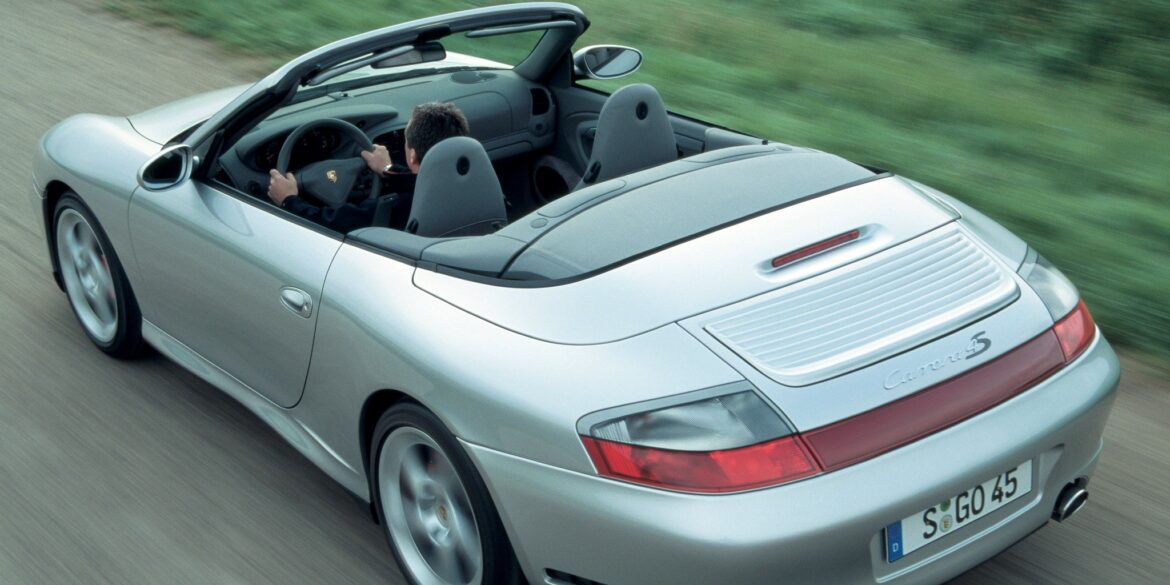
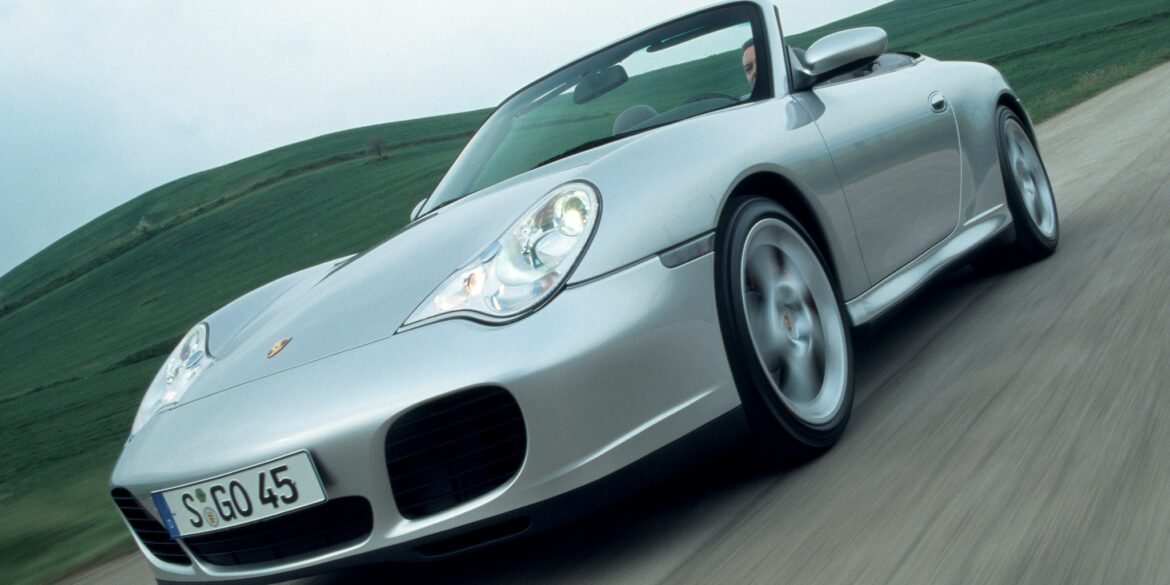
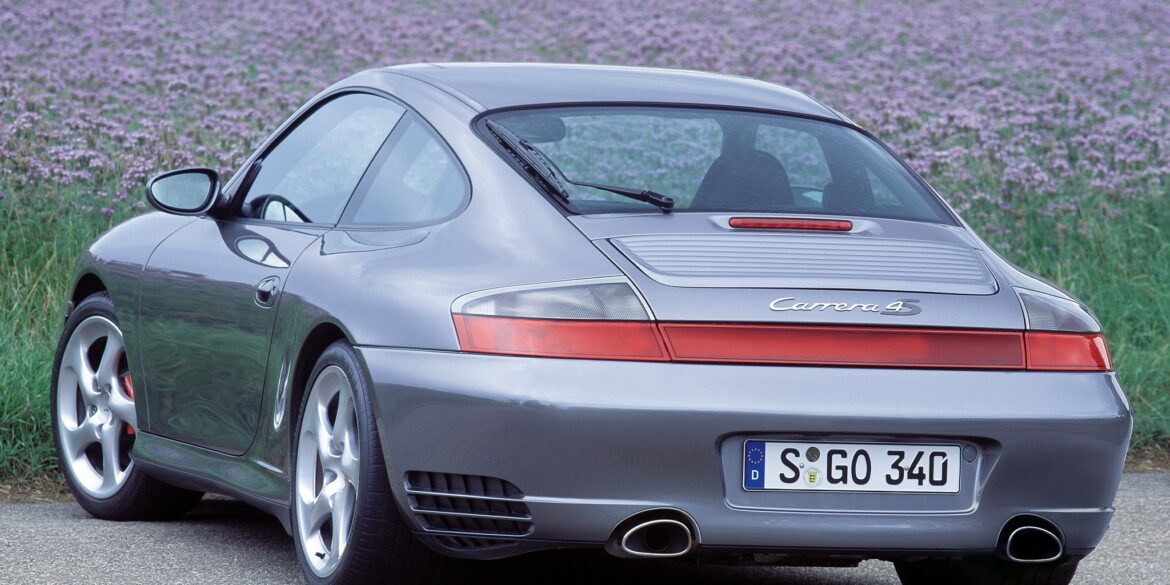
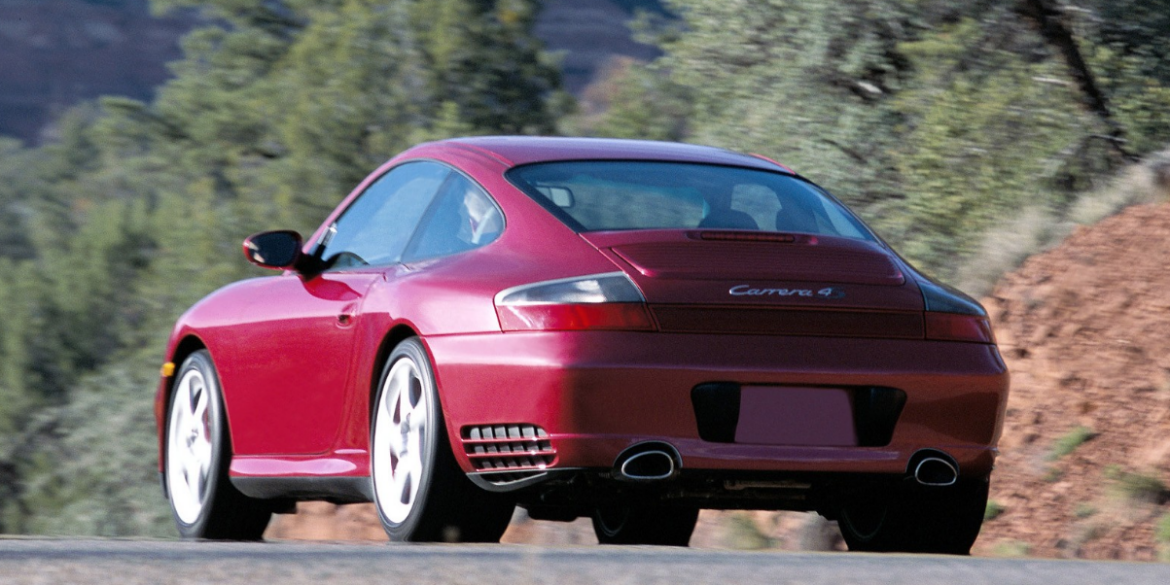
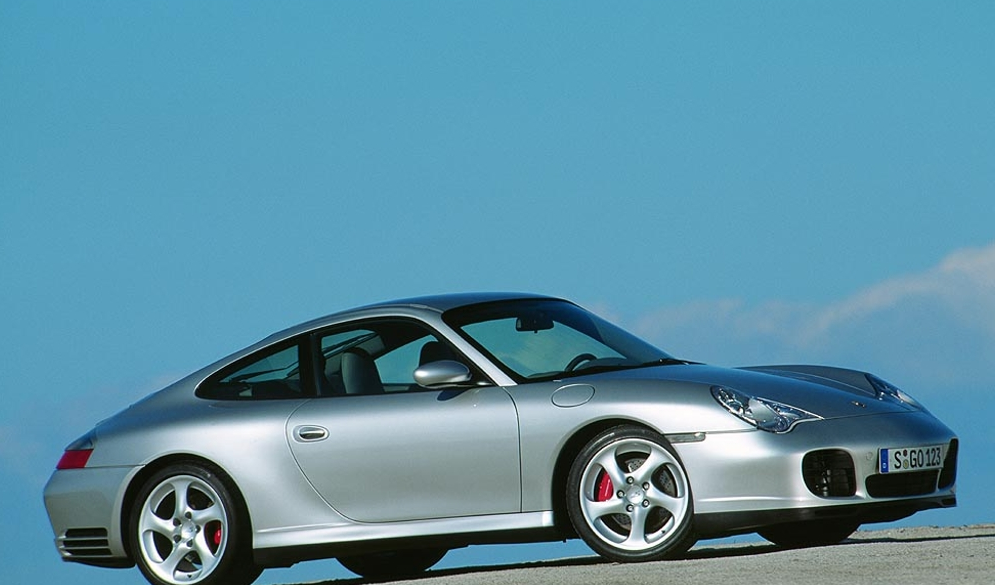
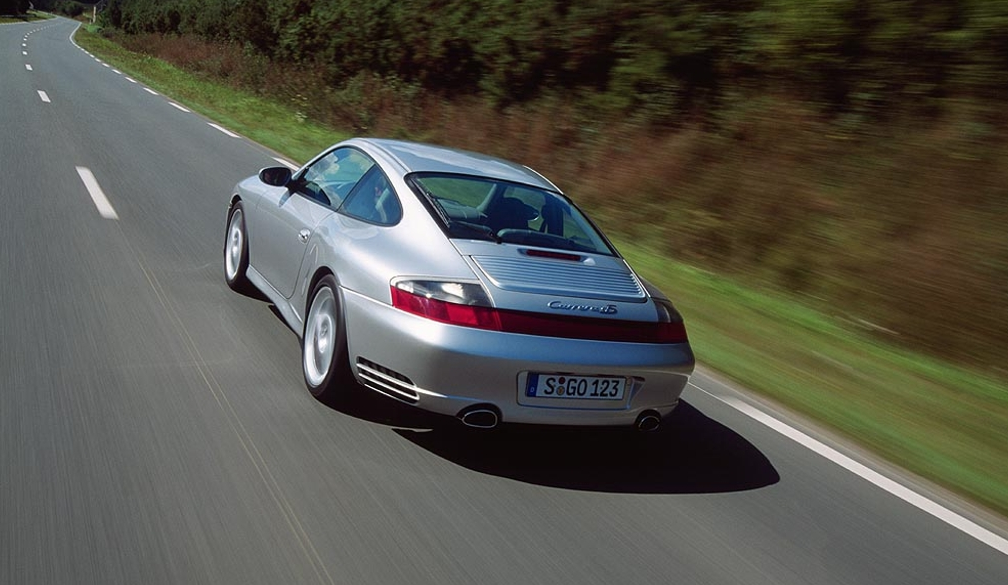
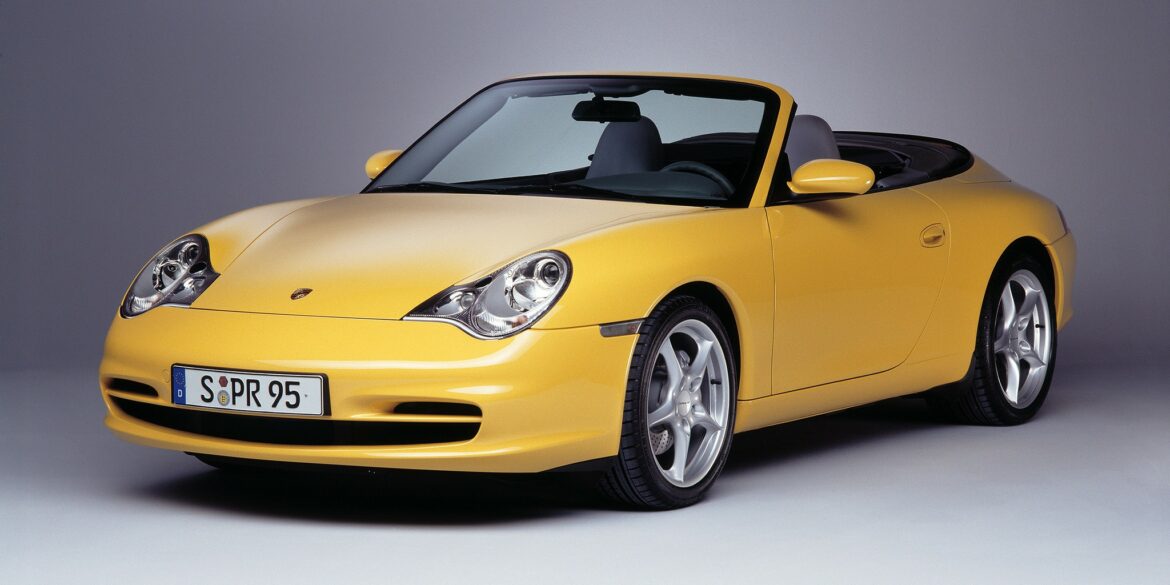
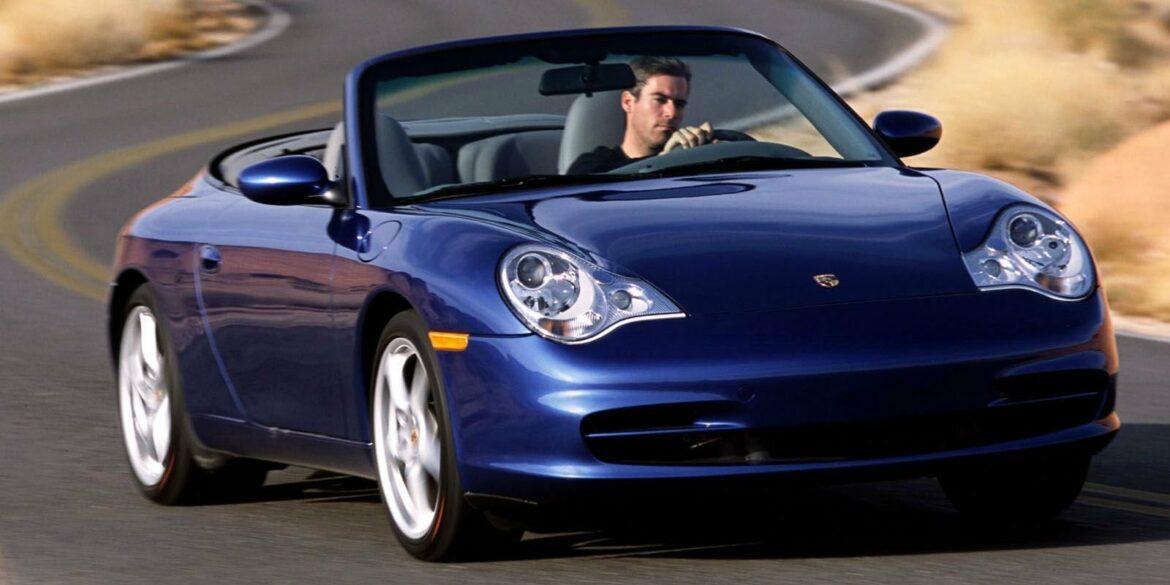
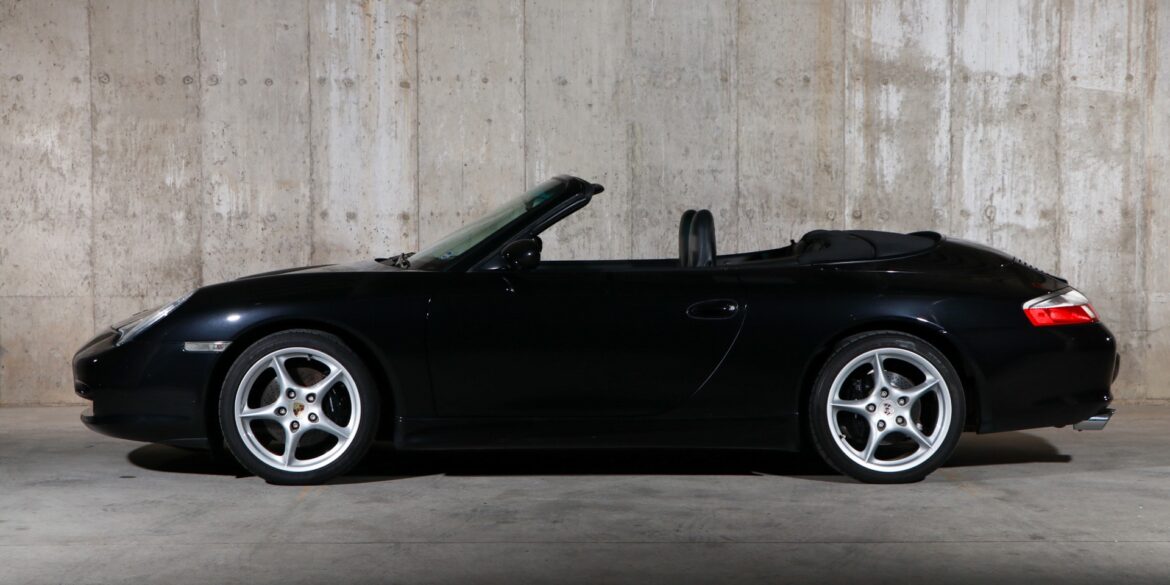
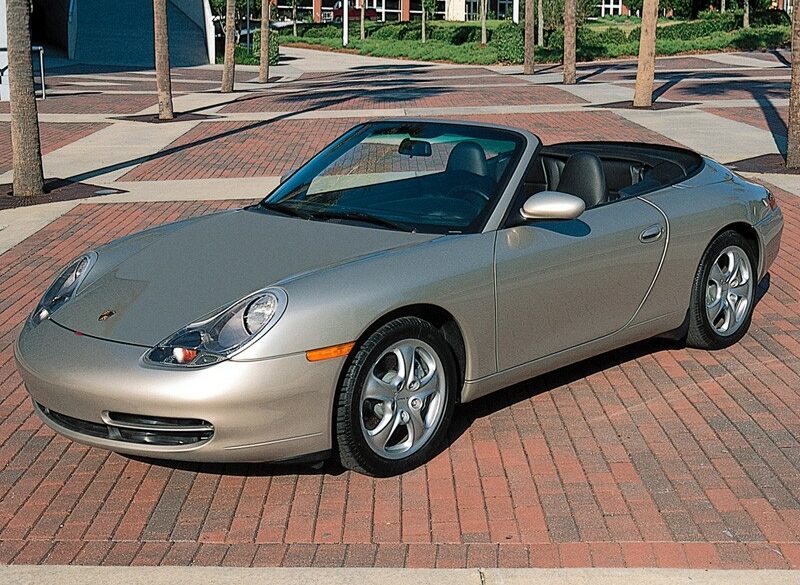
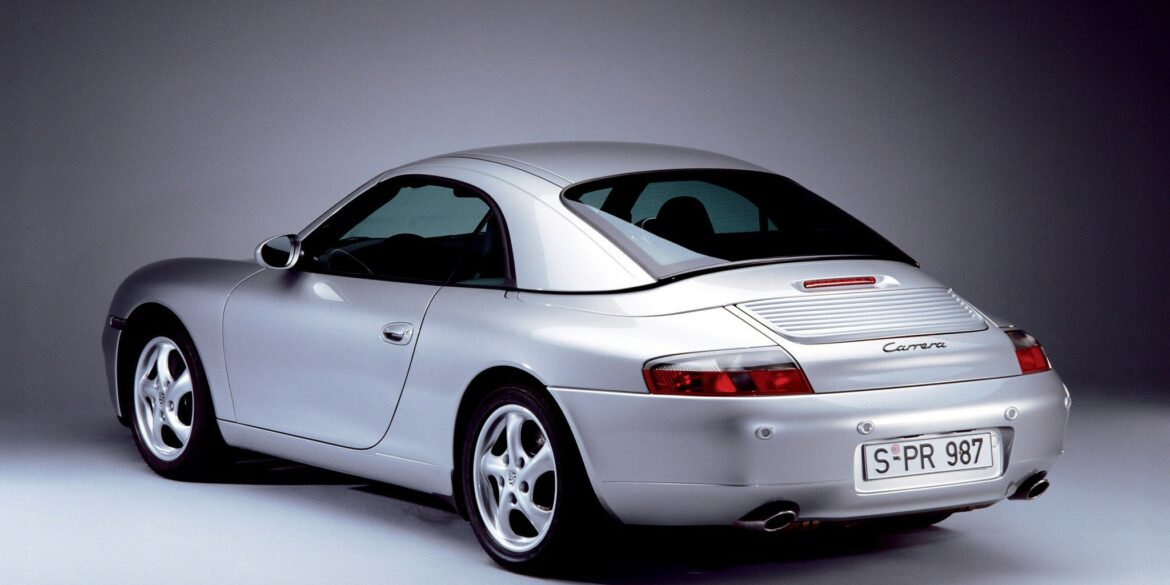
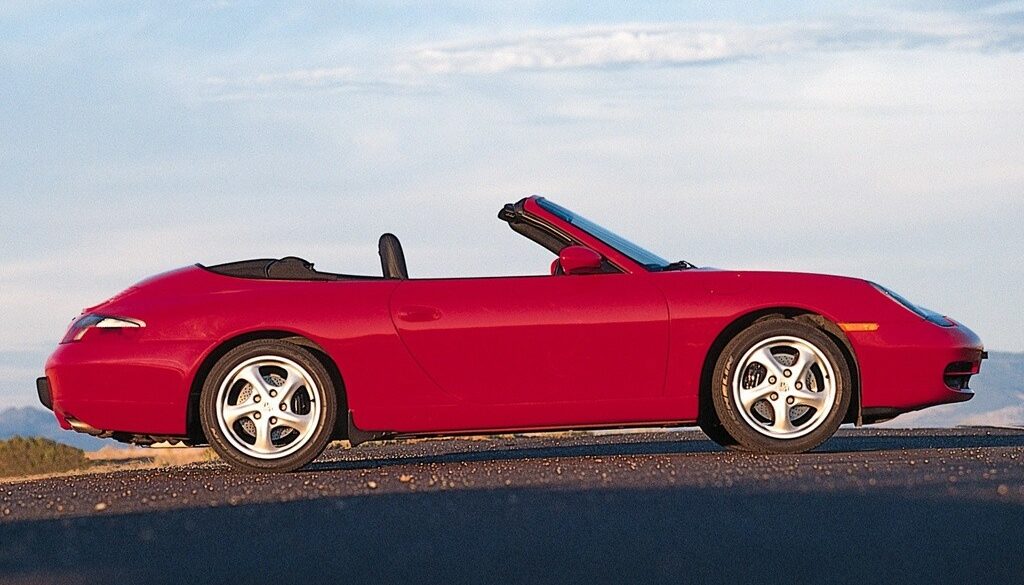
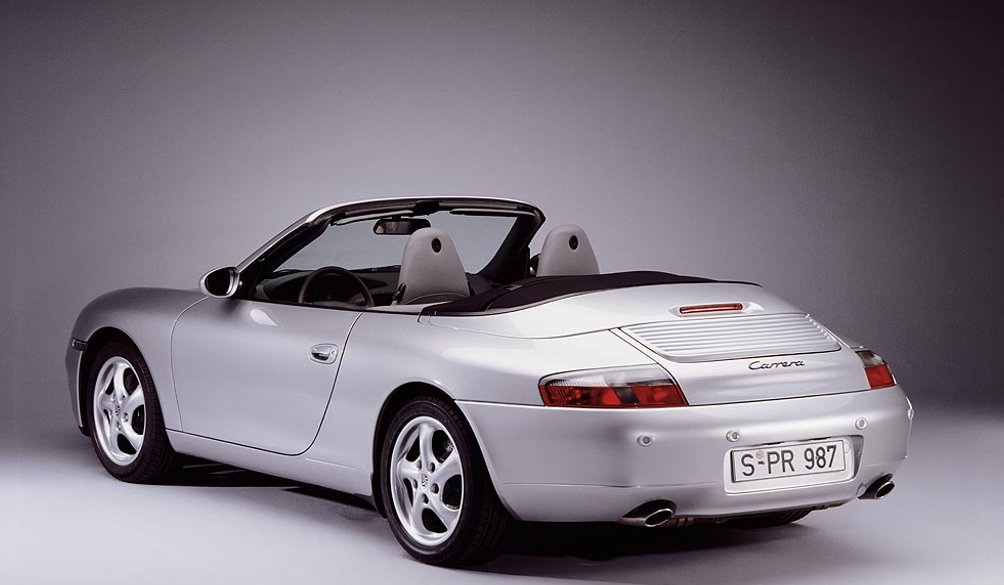
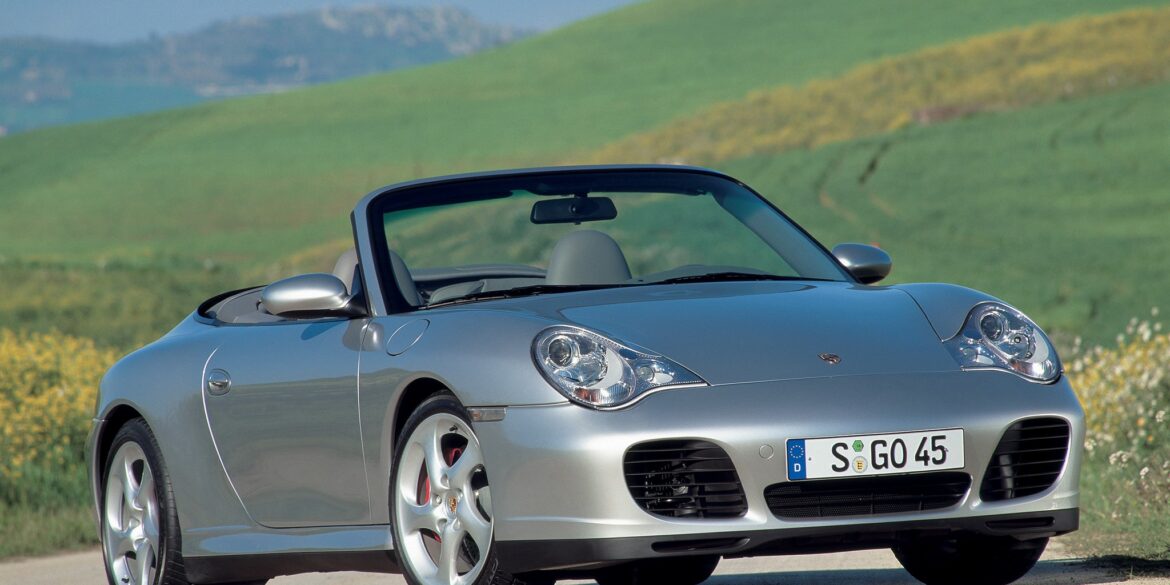
The 996 Carrera 4S Cabriolet is the convertible version of the slightly-uprated 996 Carrera 4. Introduced a year after the 996 C4S Coupe. The Carrera 4S Cabriolet was introduced in the lineup with the new engine and the Turbo bodywork. The cabriolet version of the Carrera 4S paired the aggressive bodywork and suspension of the Turbo with the base Carrera 4 drivetrain, though it didn't get the Turbo's huge rear wing. The three-layer canvas-top was powered and it needed 20 seconds to completely retract or cover the car, at speeds up to 50 kph (31 mph). For winter, the car featured an aluminum hard-top.
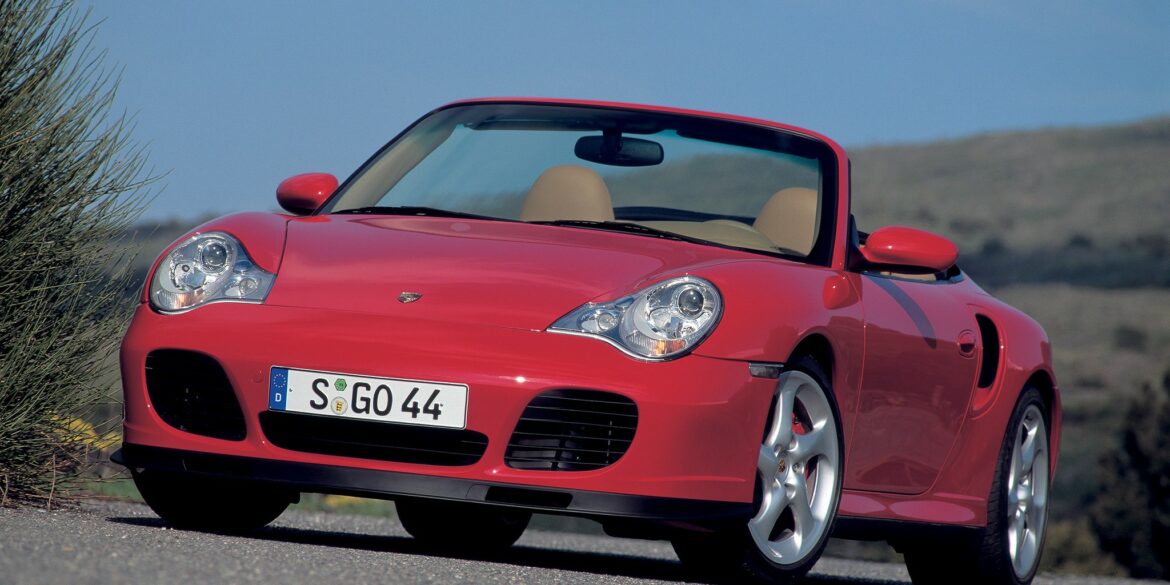
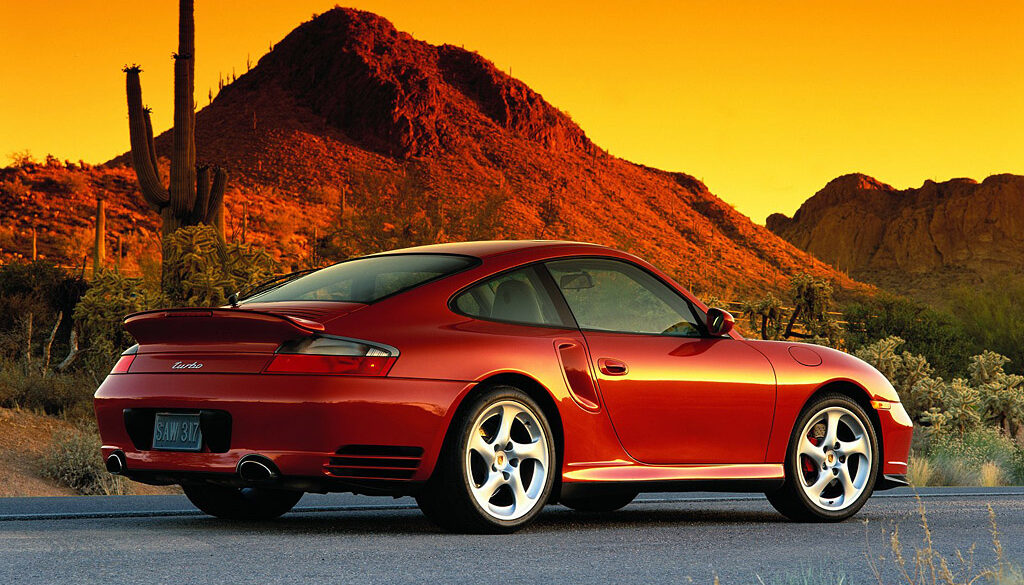
Introducing this new top-of-the-range model, Porsche is once again placing a 911 Turbo Cabriolet right at the top of the family after a break of 14 years: From 1987 - 1989 the Porsche 930, as the first Turbo was code-named within the Company, set the first milestone in the history of these outstanding open-air sports cars. With cylinders still featuring two valves each at the time, the 3.3-litre power unit driving the first Turbo Cabriolet offered maximum output quite unique at the time of 300 bhp or 221 kW. Acceleration from 0 to 100 km/h was in 5.2 seconds and the car had a top speed of 260 km/h or 161 mph.
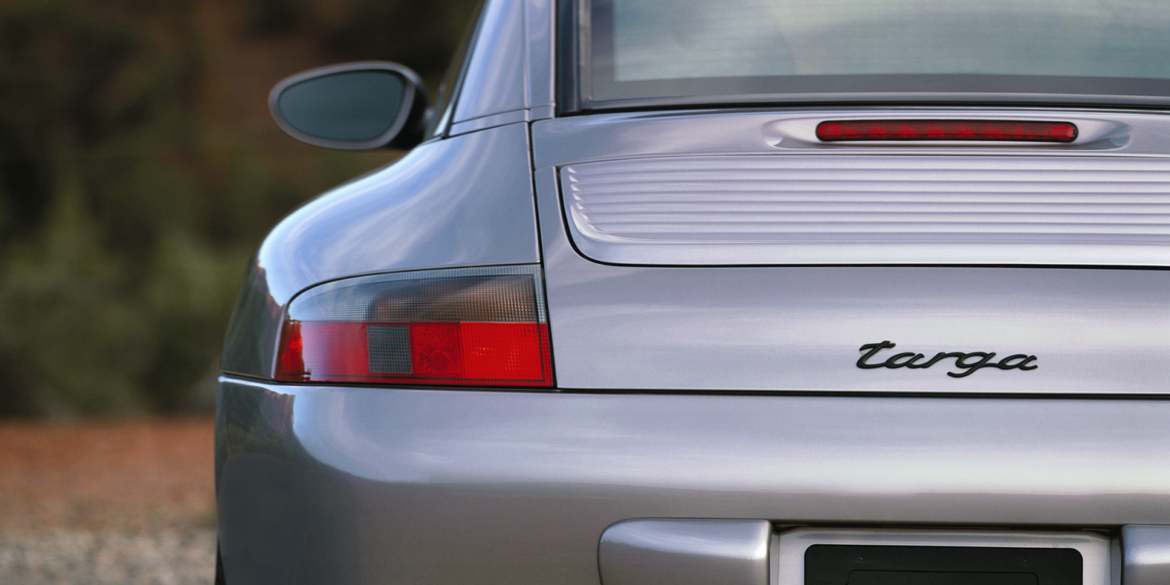
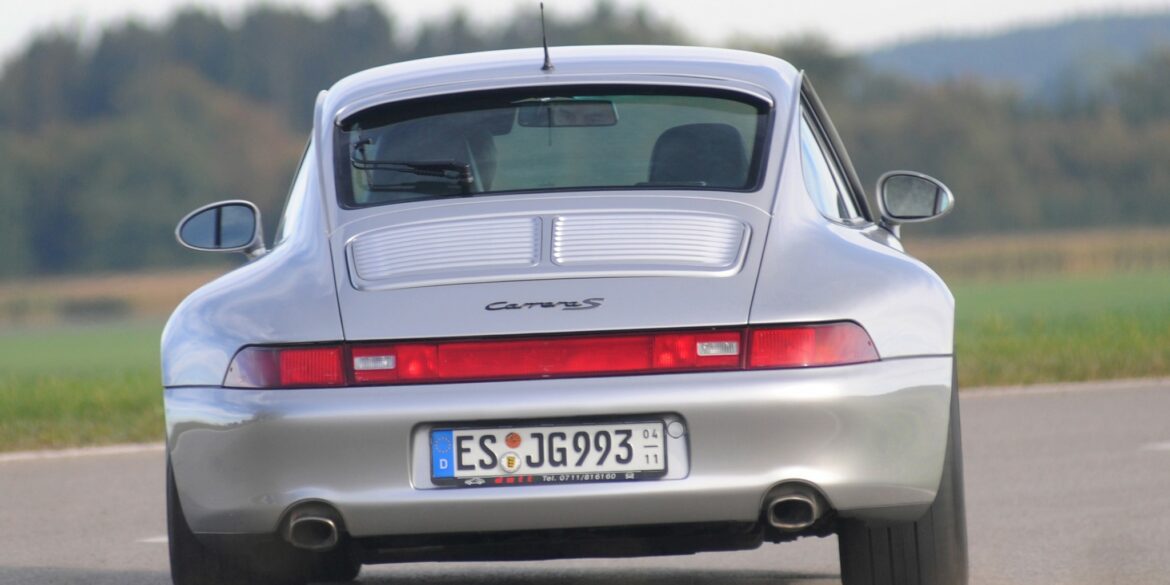
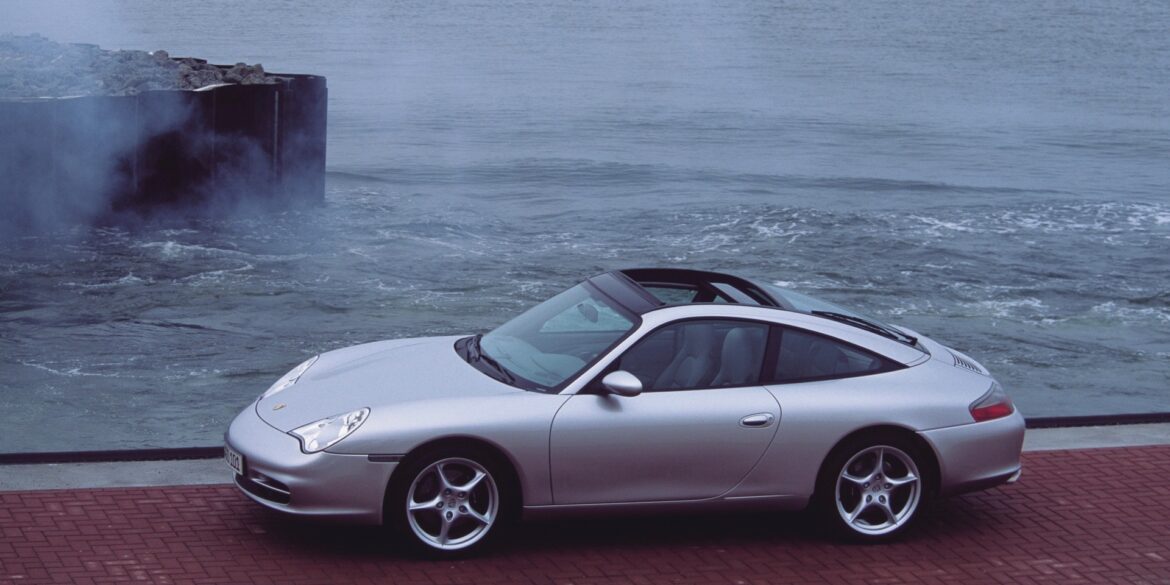
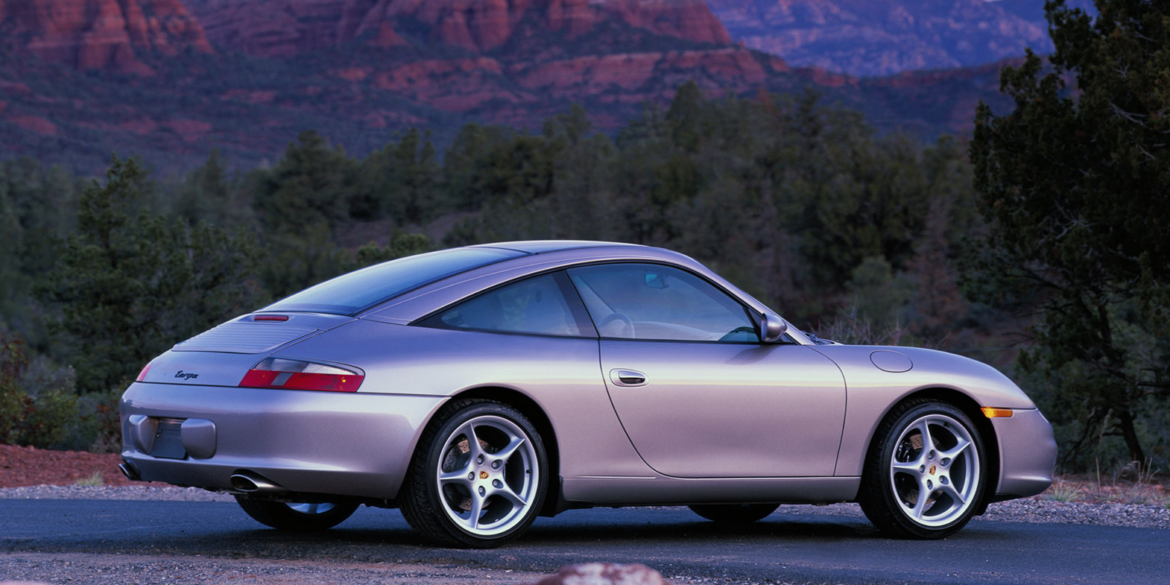
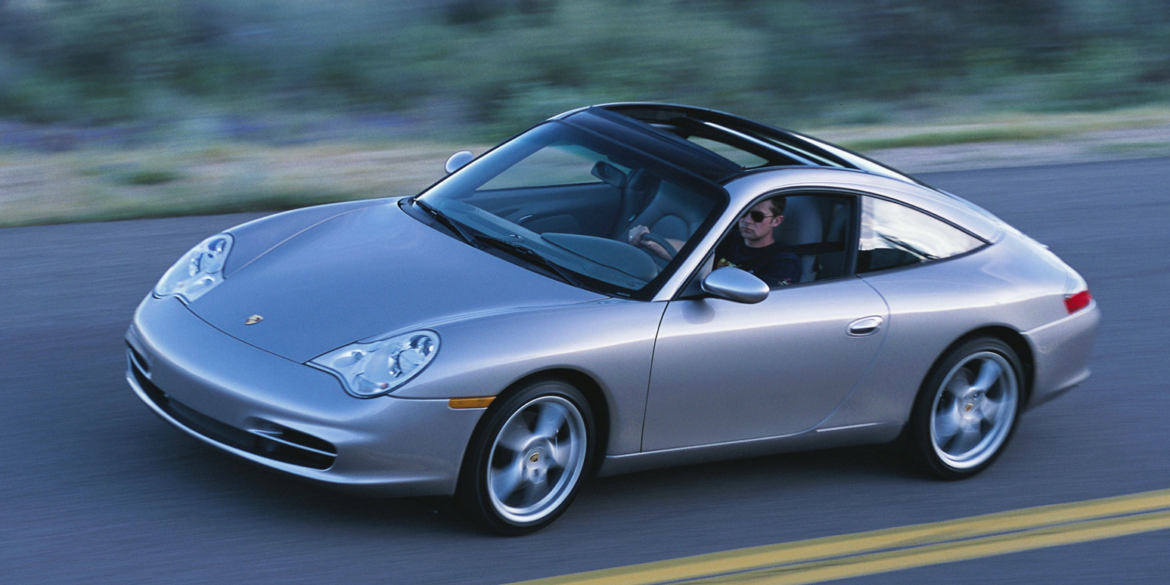
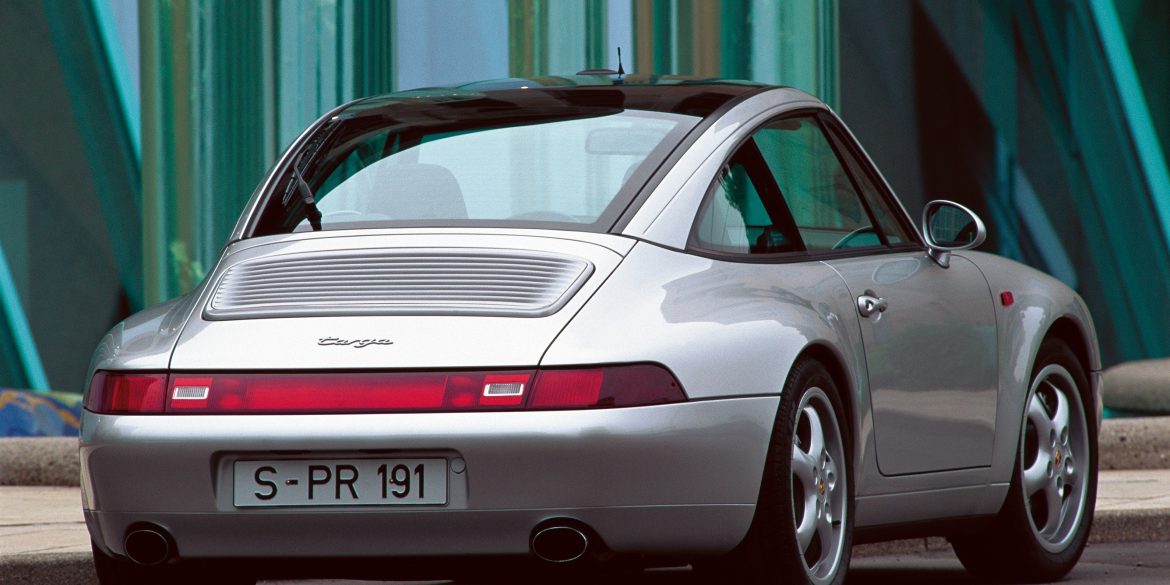
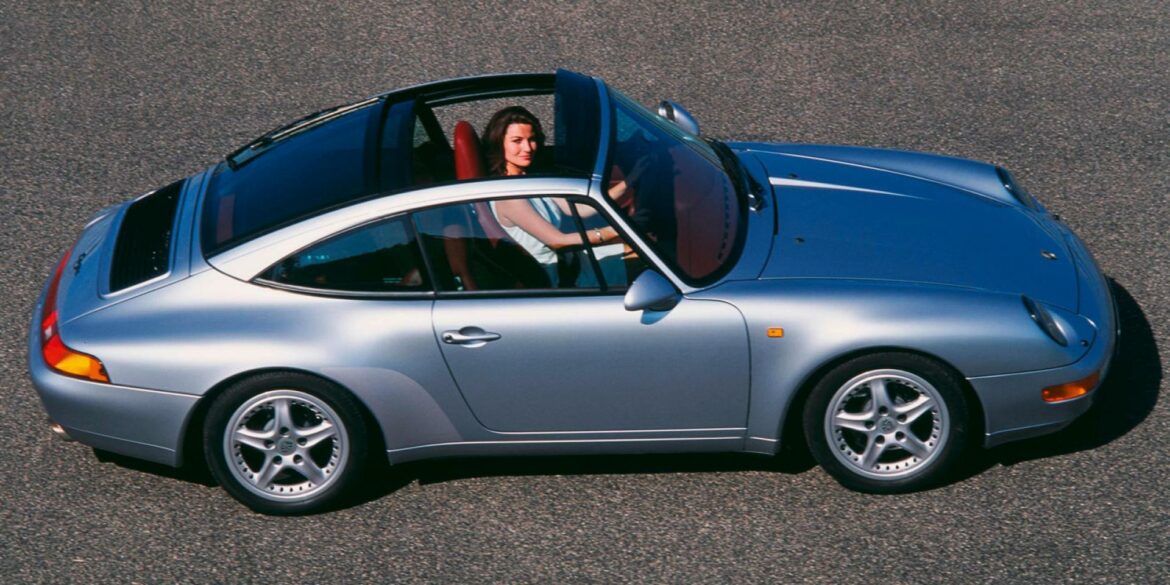
In 2002, the standard Carrera models underwent a facelift. In addition, engine capacity was also increased to 3.6-litres across the range, with power up slightly on the naturally aspirated models. 2002 also marked the start of the production of the 996 based Targa model, with a sliding glass "green house" roof system as introduced on its predecessor. It also features a rear glass hatch which gave the driver access to the storage compartment. The 996 Targa is the rarest bodystyle in the series – only 5,152 were produced (all Mk.2 generation) between 2002 and 2005.
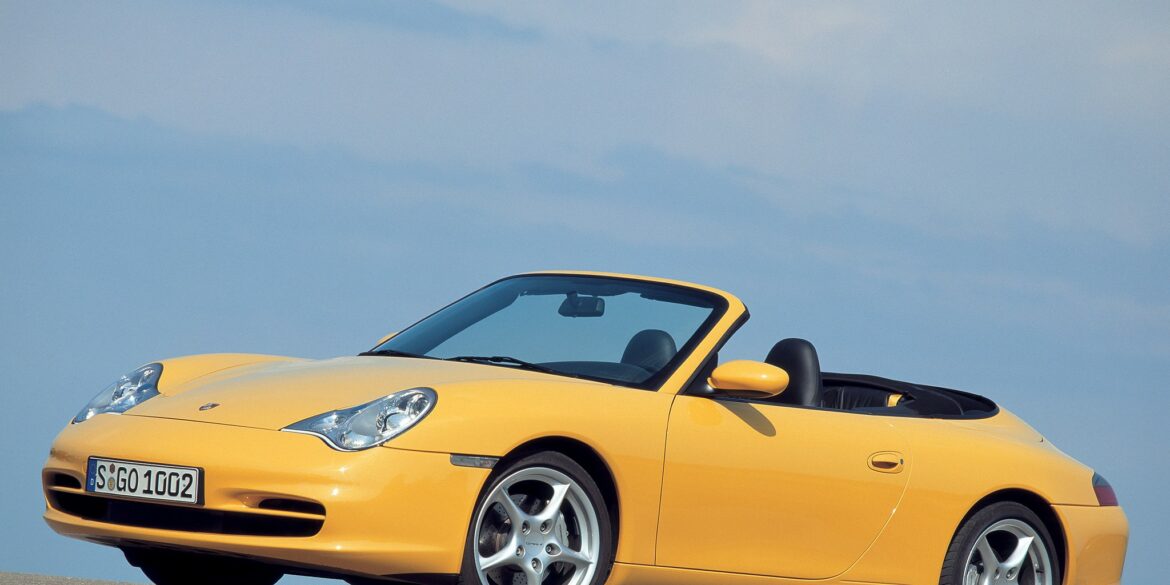
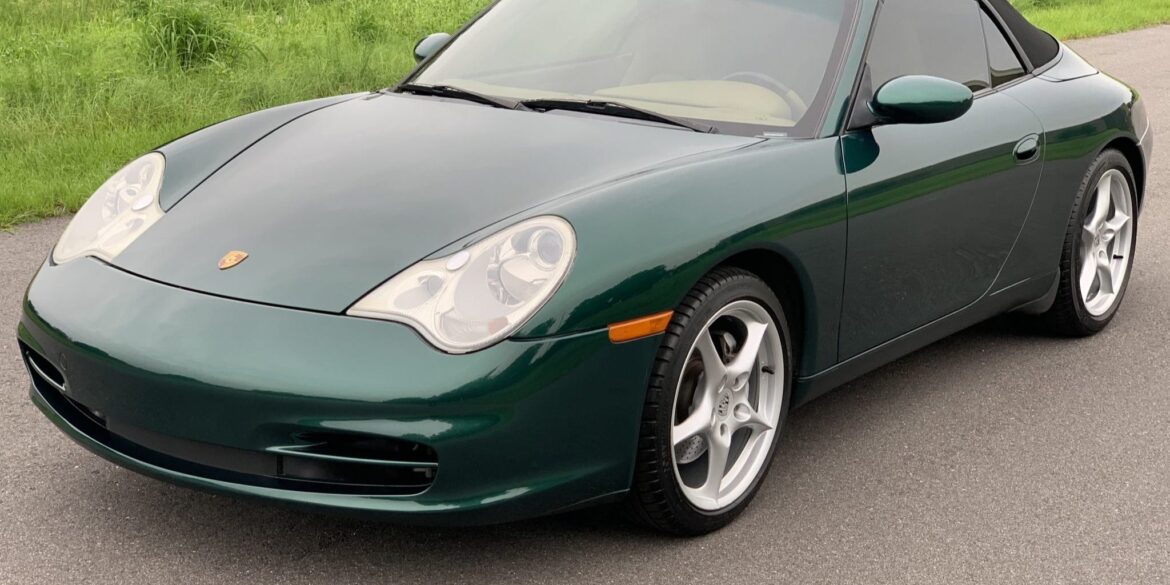
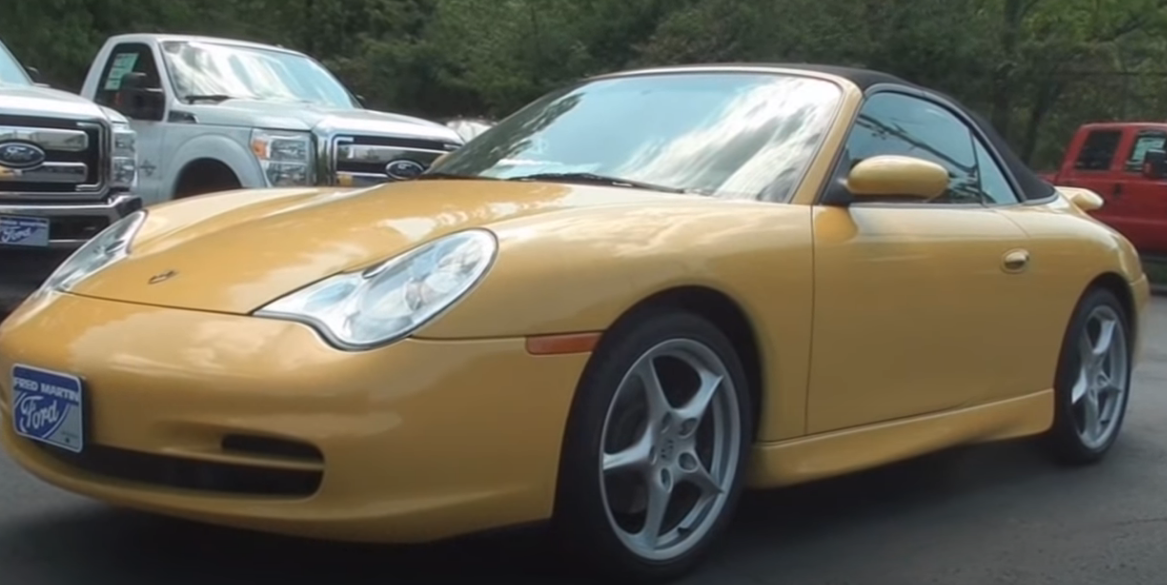
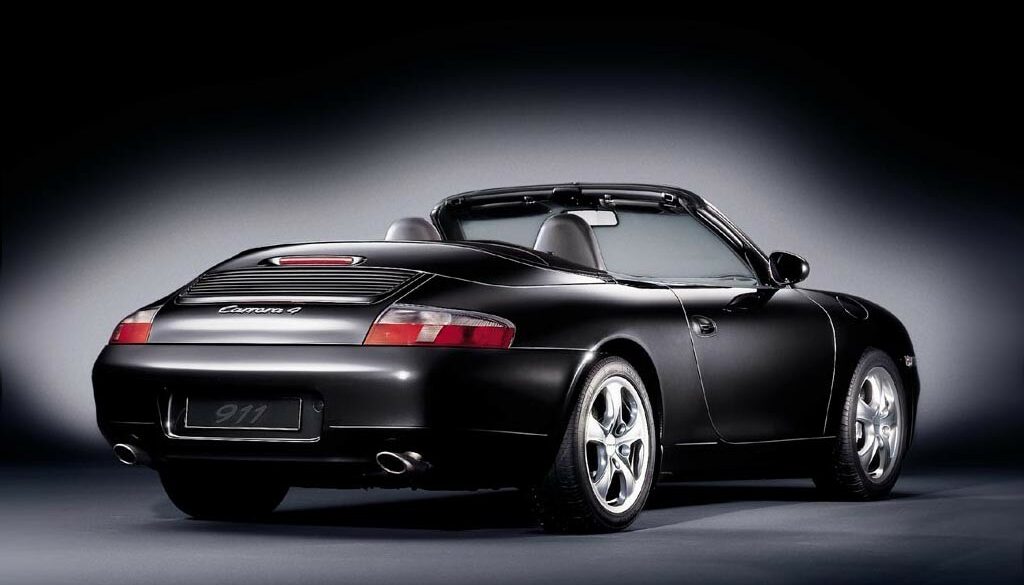
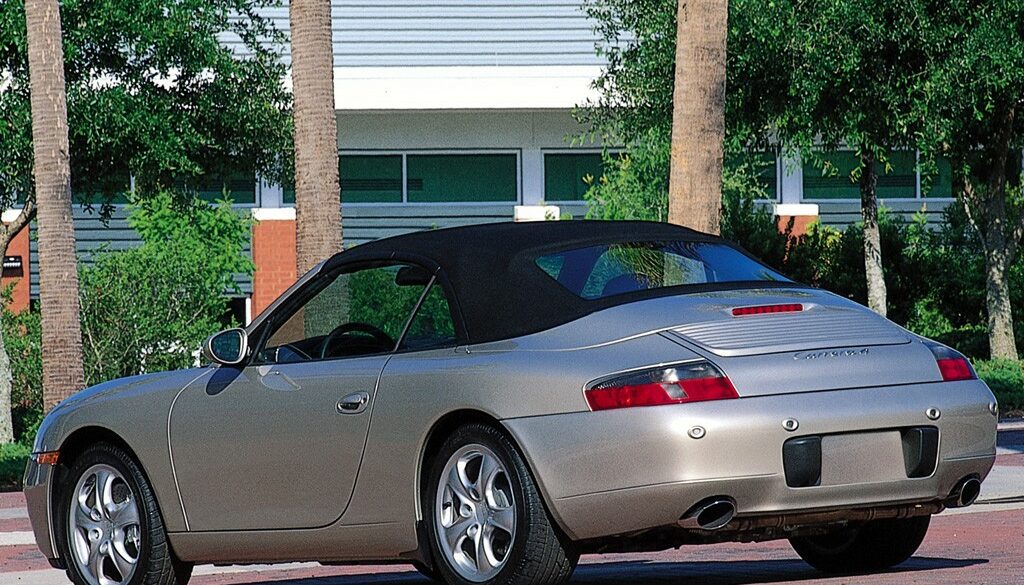
Designed as a grand tourer, the Porsche Carrera 4 Cabriolet was the base all-wheel-drive version for the open-top 911 range in 2001. It offered enough comfort to be used as a daily driver, on all weather. The 996 Porsche was facelifted in 2002. Along with the coupe versions, the convertibles were reshaped also. There was not a big difference on the outside. It was the same sports-car and open-top grand tourer. The Carrera 4 Cabriolet, continued on through 2004, receiving the same updates as the Carrera, including the 3.6-liter engine.
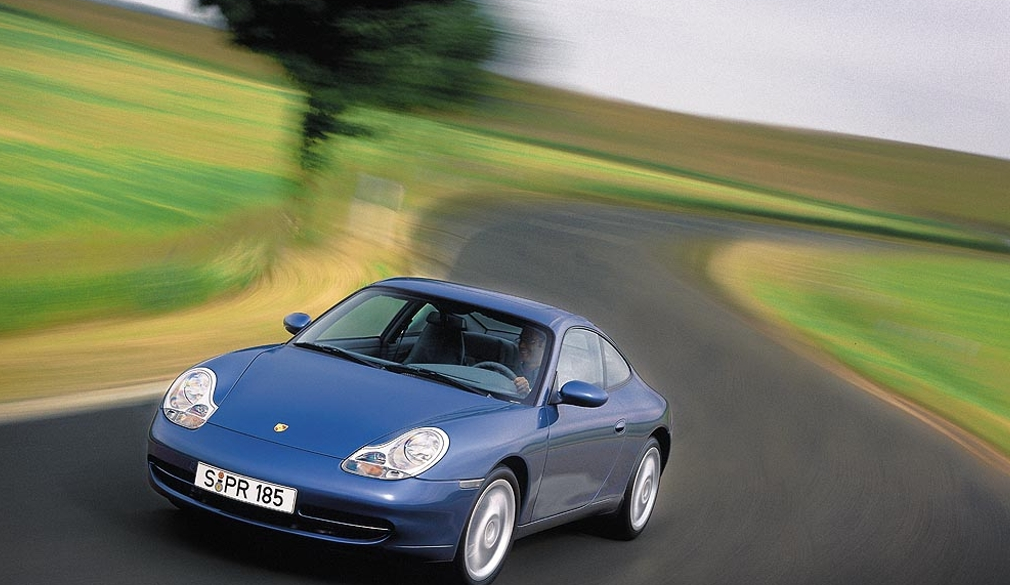
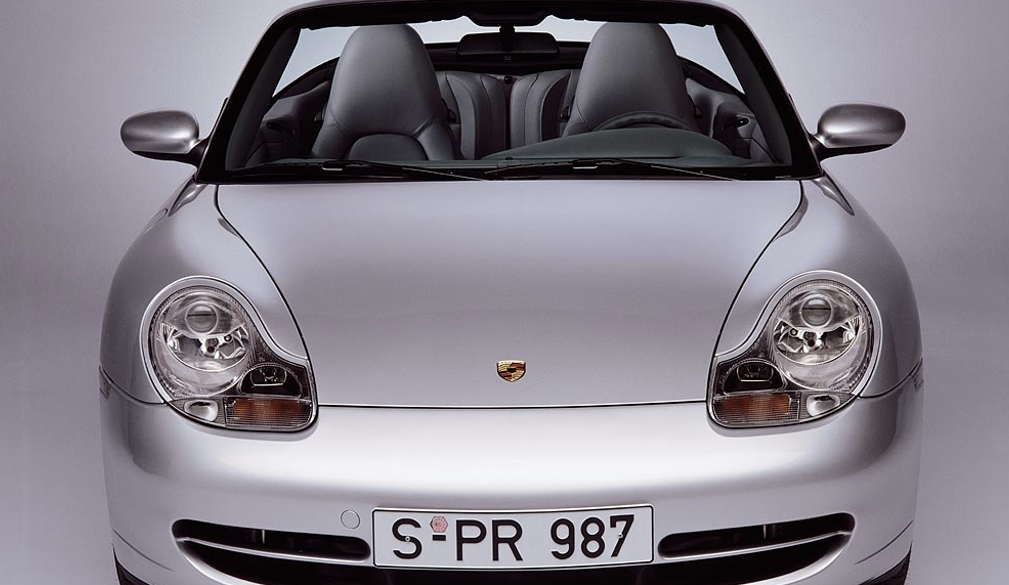
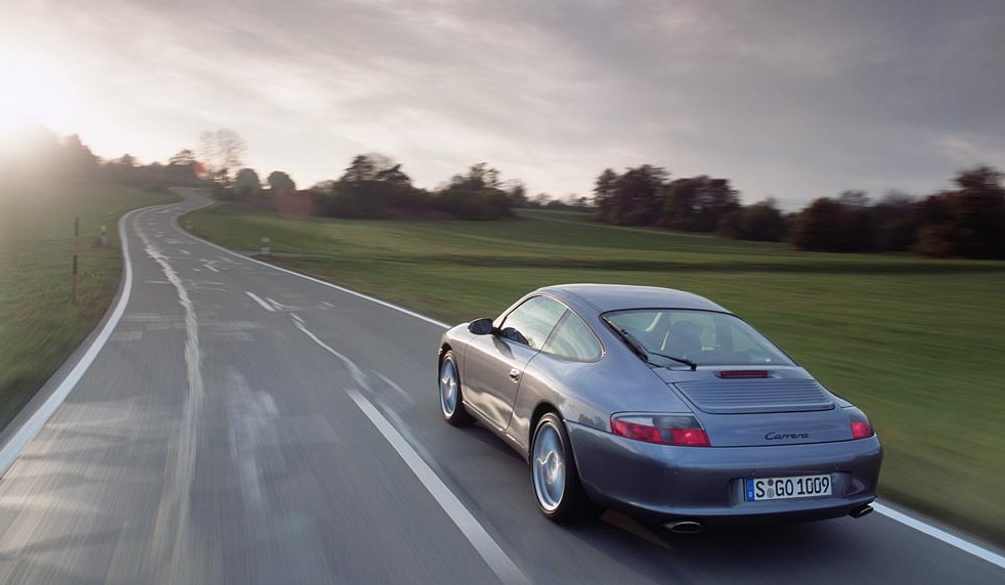
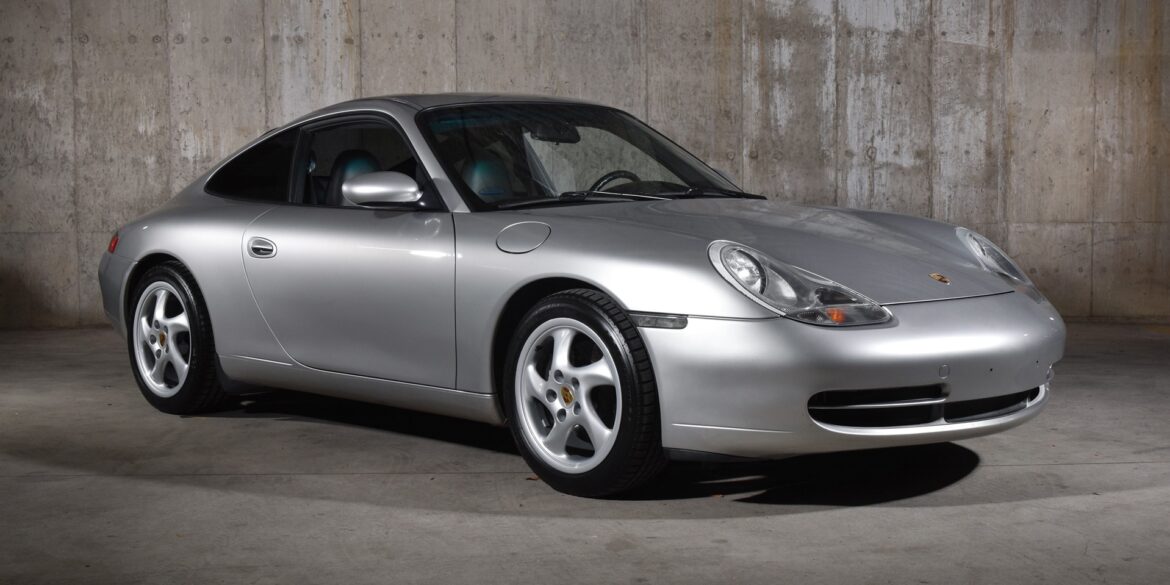
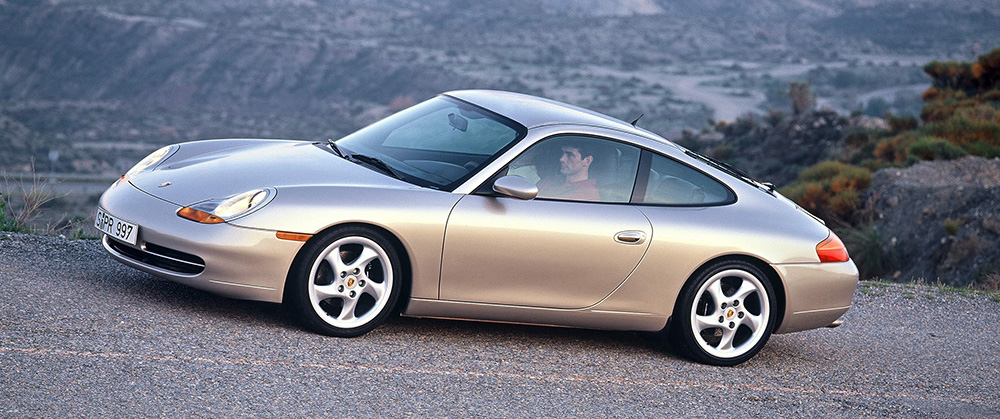
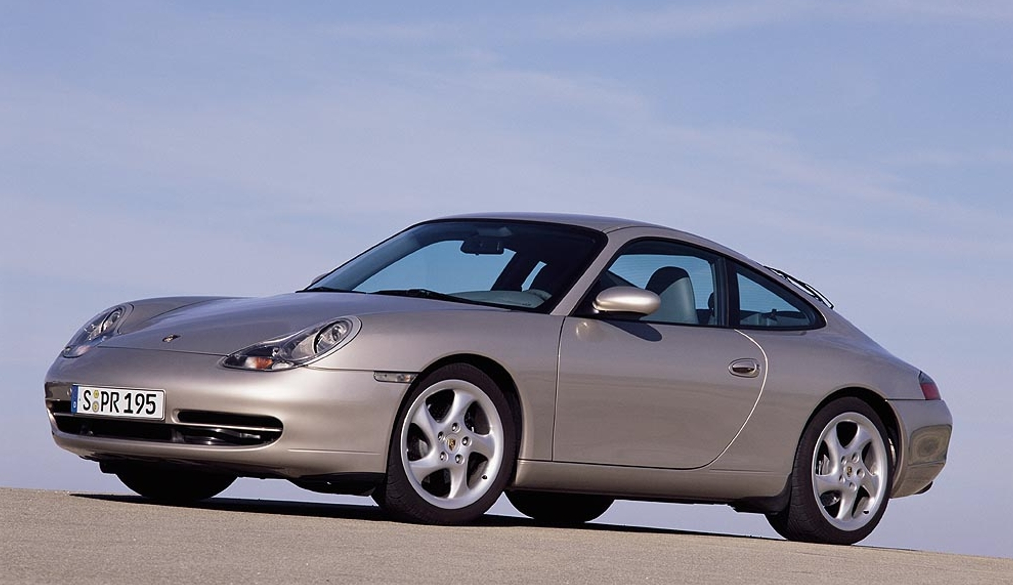
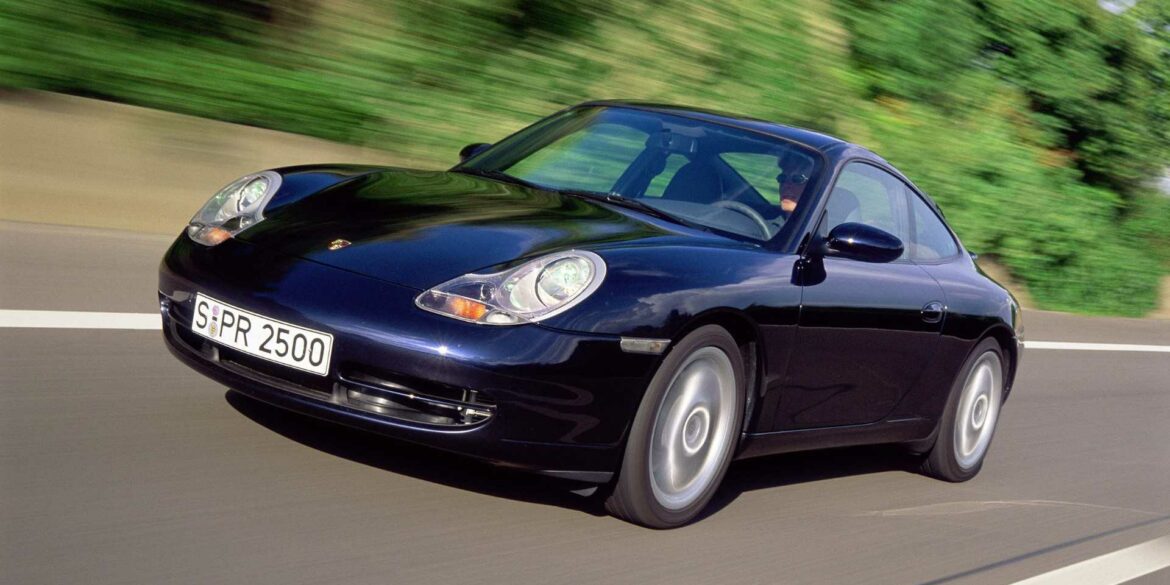
The 996 was initially available in a coupé or a cabriolet (Convertible) bodystyle with rear-wheel drive, and later with four-wheel drive, utilising a 3.4 litre flat-6 engine generating a maximum power output of 221 kW (300 PS; 296 hp).[7] The 996 had the same front end as the entry-level Boxster. After requests from the Carrera owners about their premium cars looking like a "lower priced car that looked just like theirs did", Porsche redesigned the headlamps of the Carrera in 2002. With the cabriolet, buyers have a choice between this version and the hotter Carrera 4S cabriolet.
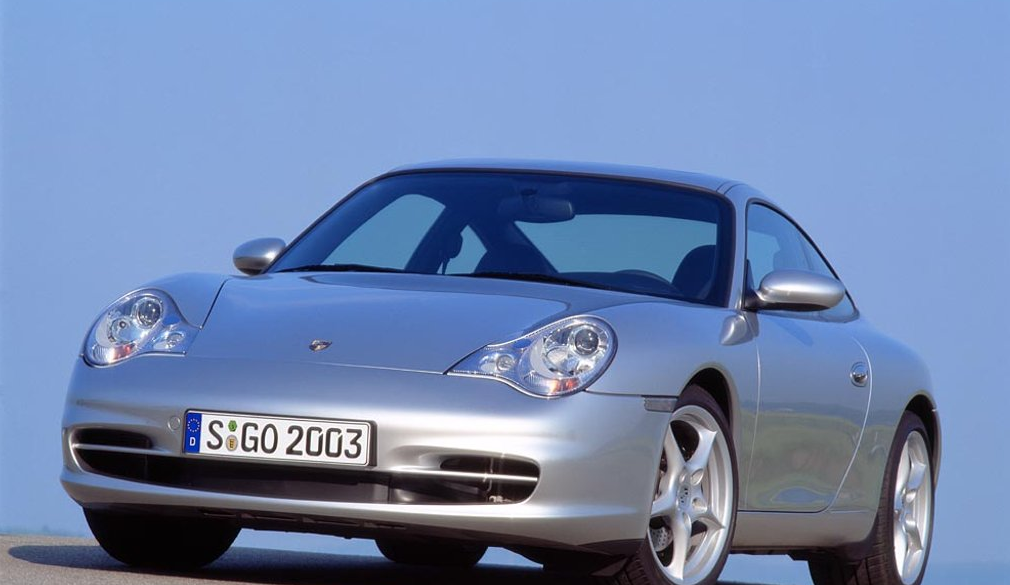
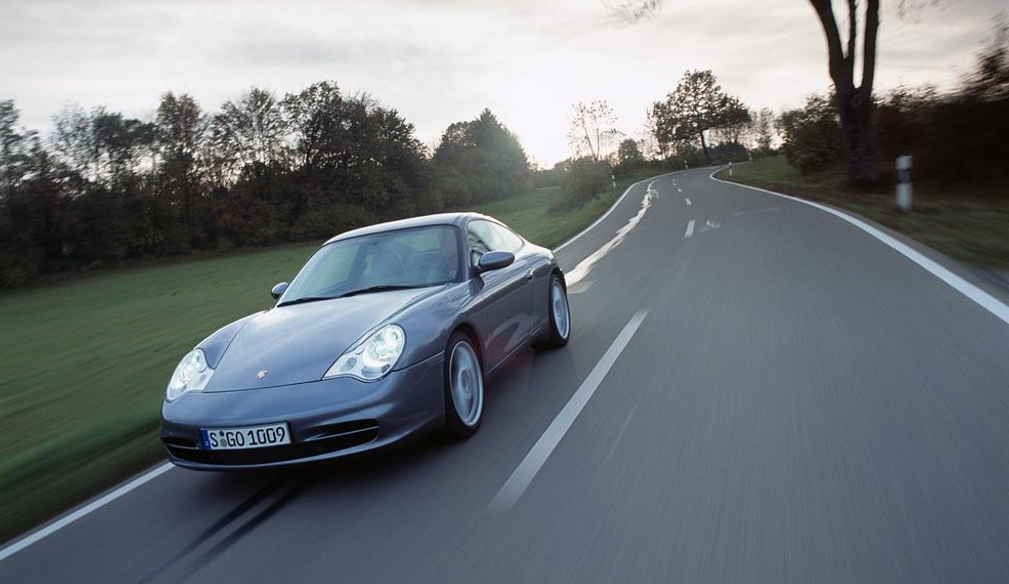
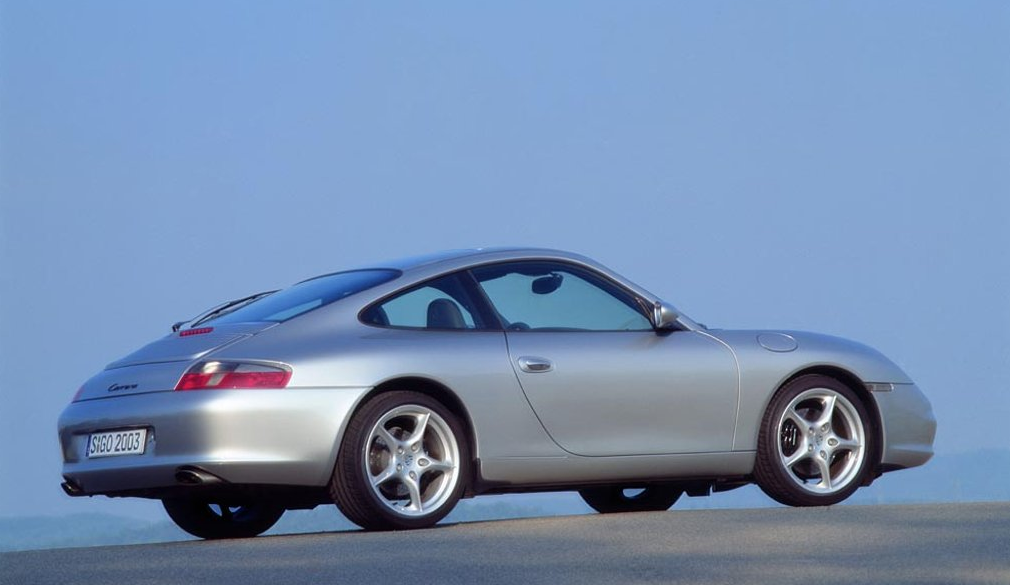
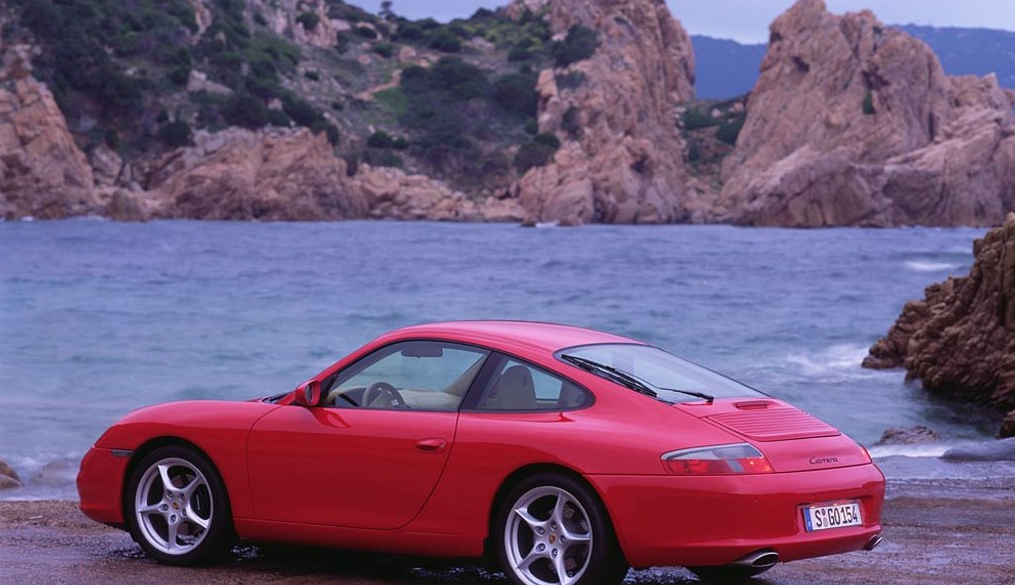
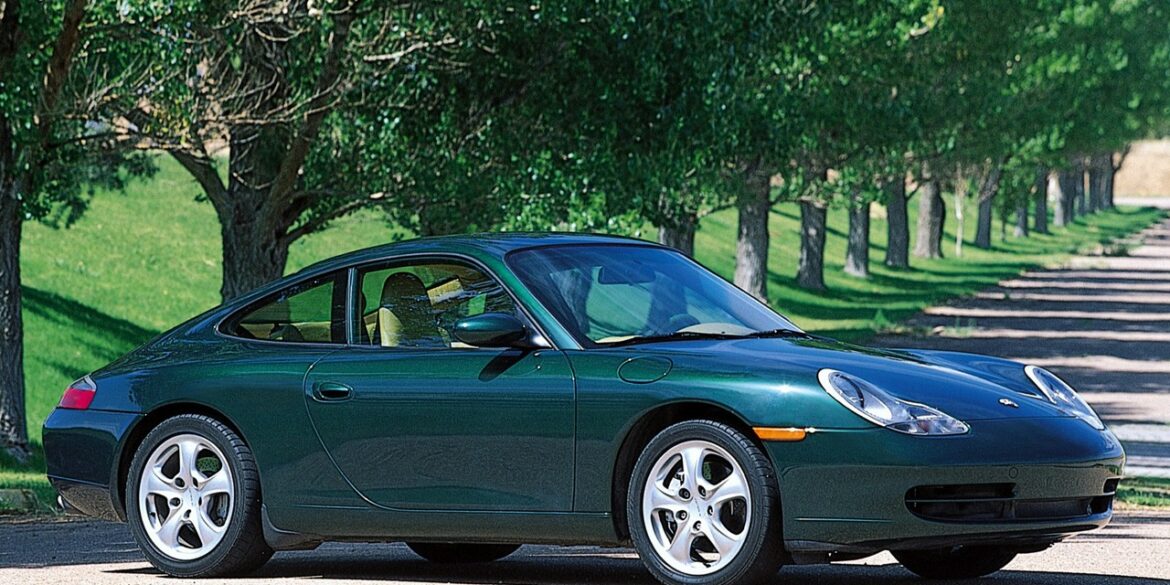
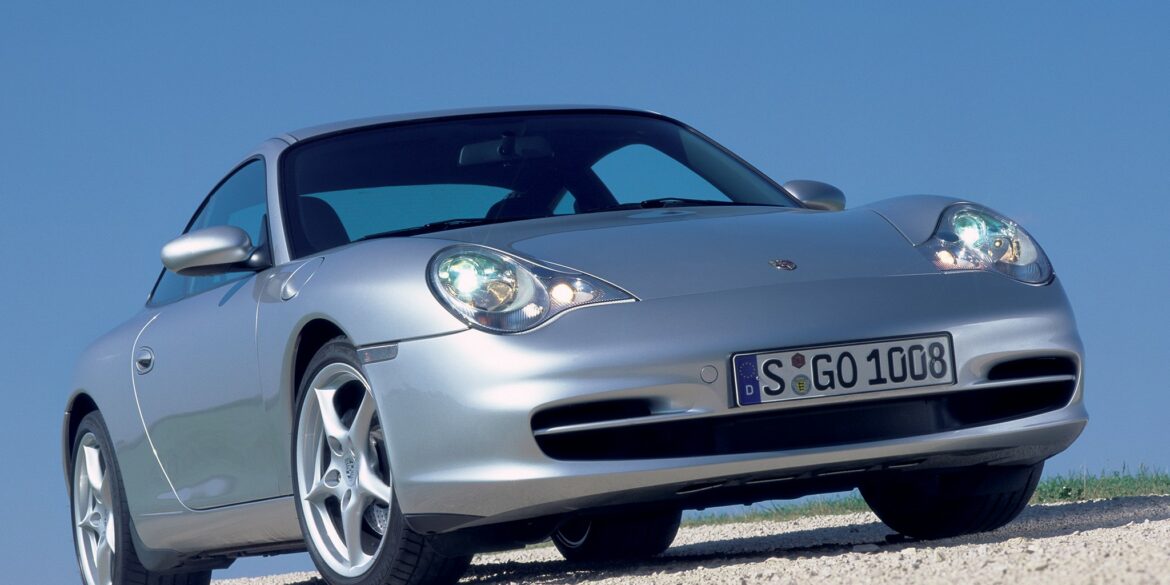
In 2002, all of the standard models received a minor makeover in 2002 which included Turbo-style headlights, a freshly designed front clip and an increase in engine capacity to 3.6L along with a subsequent 20HP boost. The bodies were more rigid which further improved handling and safety and the lower, stiffer X74 suspension became available as a factory modification. From the outside, it was hard to notice the difference between the 1998 version and the facelifted model. The main difference was on the headlights. Including the Mk 1 cars, the 996 Carrera Coupe sold 46,317 units.
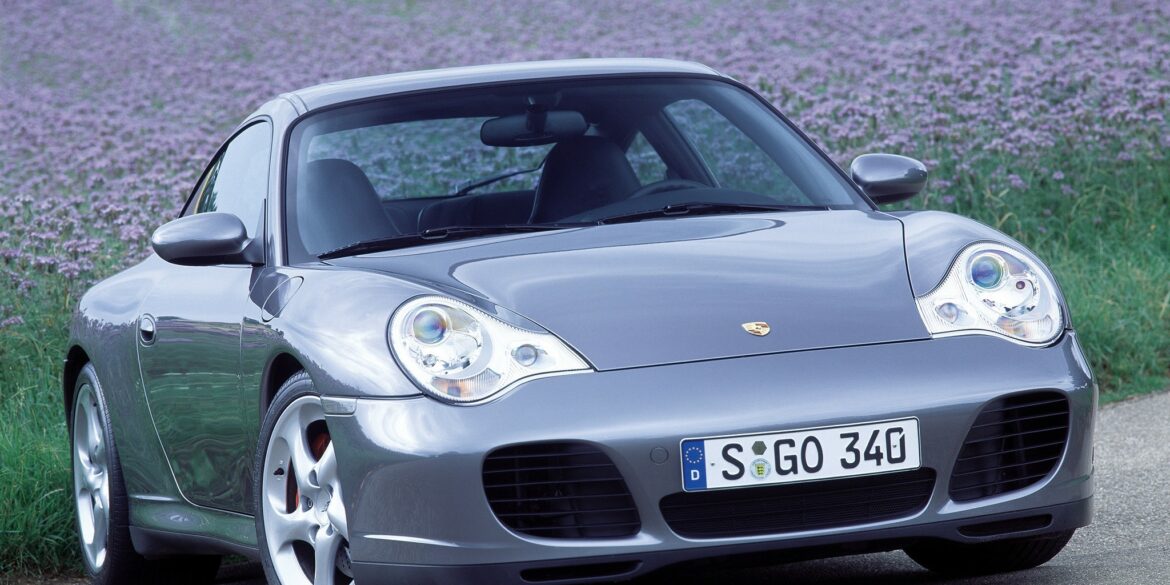
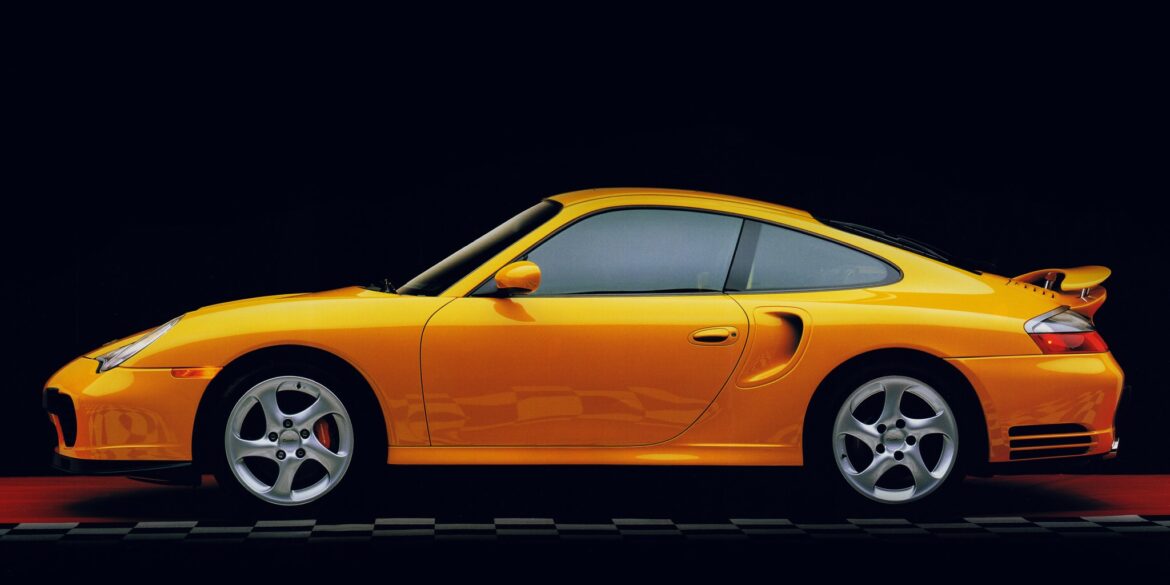
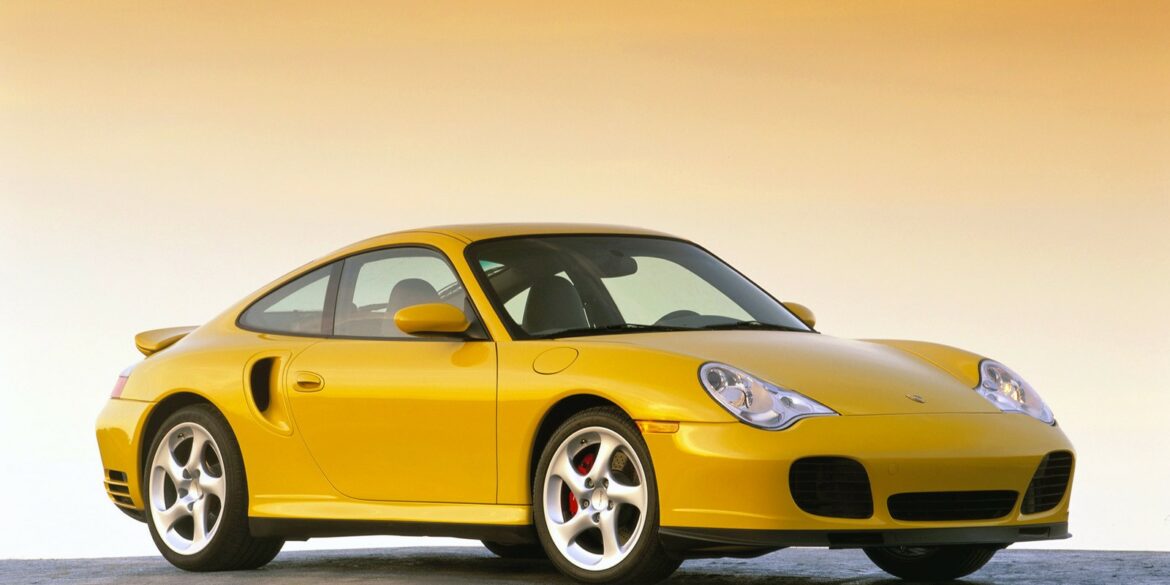
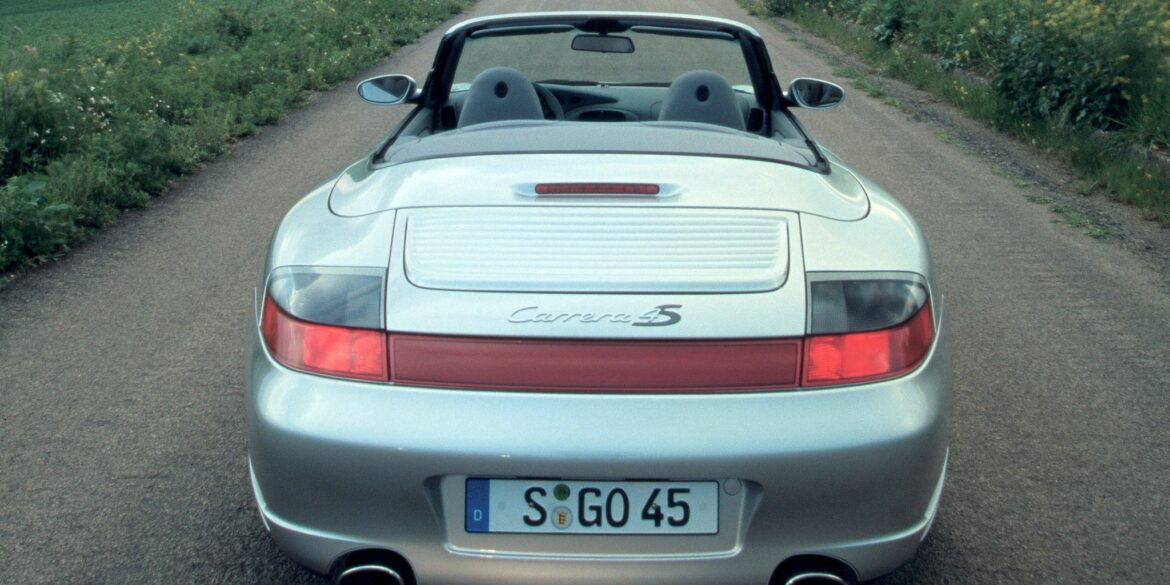
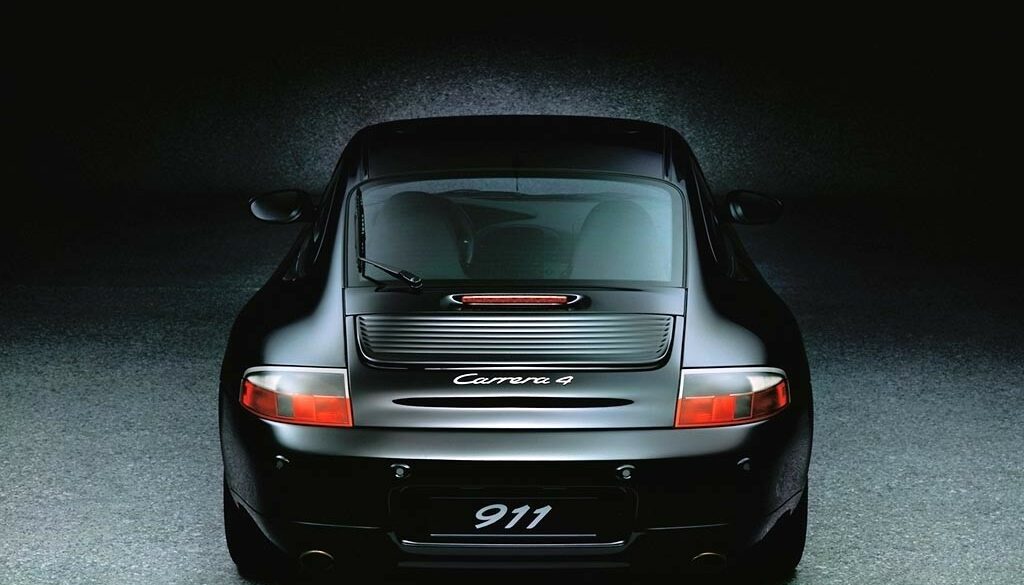
In 2002, the entire generation of the 996 was facelifted. The Carrera 4S Cabriolet was introduced in the lineup with the new engine and the Turbo bodywork. Many publications called the Carrera 4S the sweet spot in the 911 lineup when it was introduced, providing more performance than the base car without the exorbitant pricing of a Turbo or GT2. The Carrera 4S paired the aggressive bodywork and suspension of the Turbo with the base Carrera 4 drivetrain, though it didn't get the Turbo's huge rear wing. It’s easily identified by “Carrera 4S” badging and a large reflective strip on the rear end, spanning the gap between the taillights.
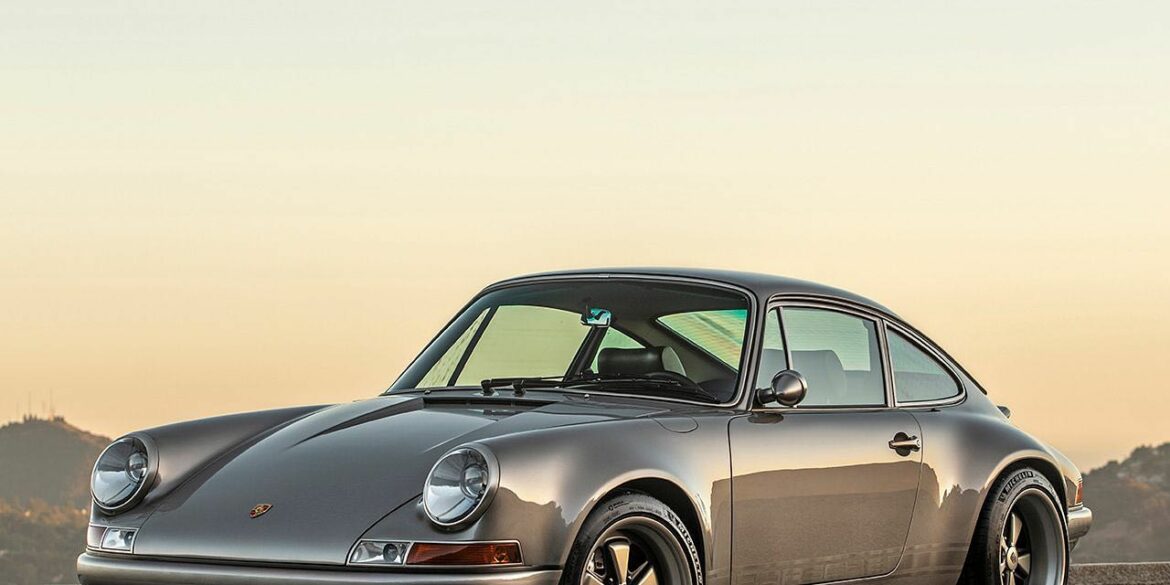
Singer Vehicle Design – Canyon Drive Commission Today, we take a closer look at the Singer Vehicle Designs Canyon Drive Commission. Like other Classic Study cars, the Hollywood was built in Singer’s California location. This car was shared with the public in early-November 2021. The Canyon Drive commission is a...
The Air Cooled Classic 2.0L Flat Six You Need To Hear This 1969 911E is a great example of why the 911 made such an impact on the sports car market in the early days even with a small displacement air cooled flat six. In ’69 the E and S...
911 (996) Engine Codes
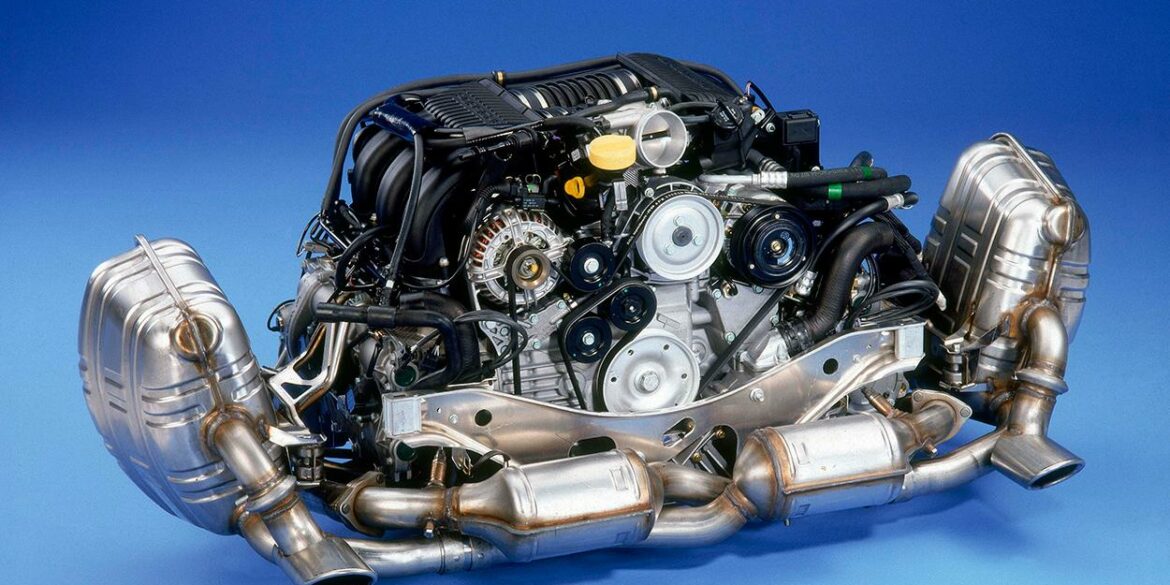
Porsche 911 (996) Engine Codes At its debut, the 996 featured the most significant change from the classic 911 series: a water-cooled engine replacing the previously air-cooled engine. Progressively stringent emissions and noise regulations, environmental concerns, a higher expectation for refinement and the need for a high-performance 4 valve per...
Porsche 911 (996) Production Numbers
Porsche 911 (996) Sales & Production Numbers Production of the 996 spanned nine years, between 1997 and 2006. In that time, 175,164 units were sold, making it the best-selling model in the car’s history and the biggest turning point in the development of the 911. But despite these immense numbers,...
Porsche 911 (996) - The Story
Porsche 911 (996) (1997 – 2005) Story & History Type 996 – The 5th Generation Porsche 911 Premiere: GT1 May 4, 1997 Le Mans test day, Carrera September 11, 1997 IAA Frankfurt Motor Show The designers were assigned to design the 996-generation 911 in 1993. Working under the head of...