

3rd Gen Porsche Panamera Buyer's Guide
Buying a 976 Generation Porsche Panamera? Our Guide Covers Key Models, Potential Issues, Values, Tips & More.
PLEASE NOTE: For this post, we are focused on buying a used Panamera. Since the current Panamera is still on sale, you should check out our current New Panamera buying guide.
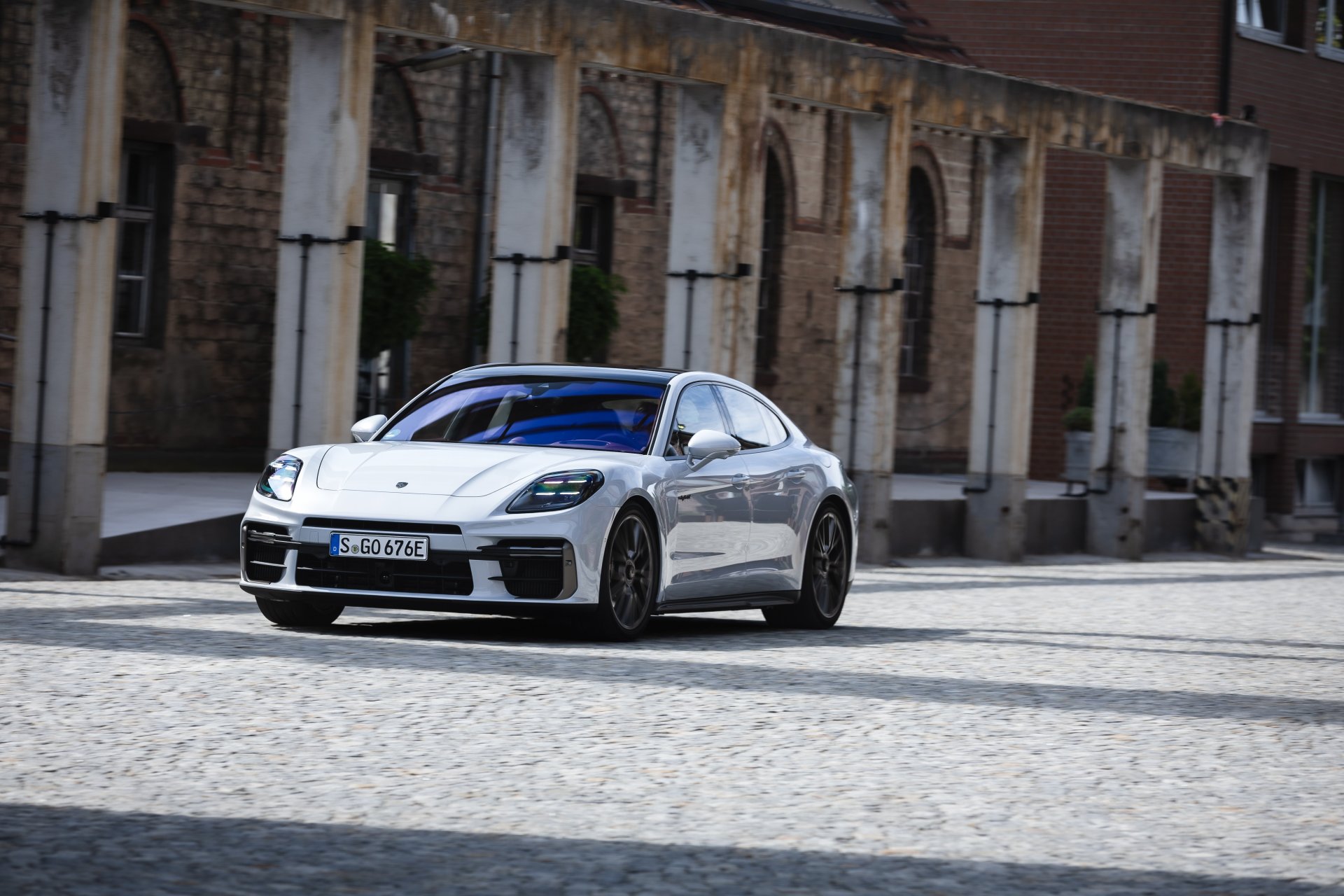
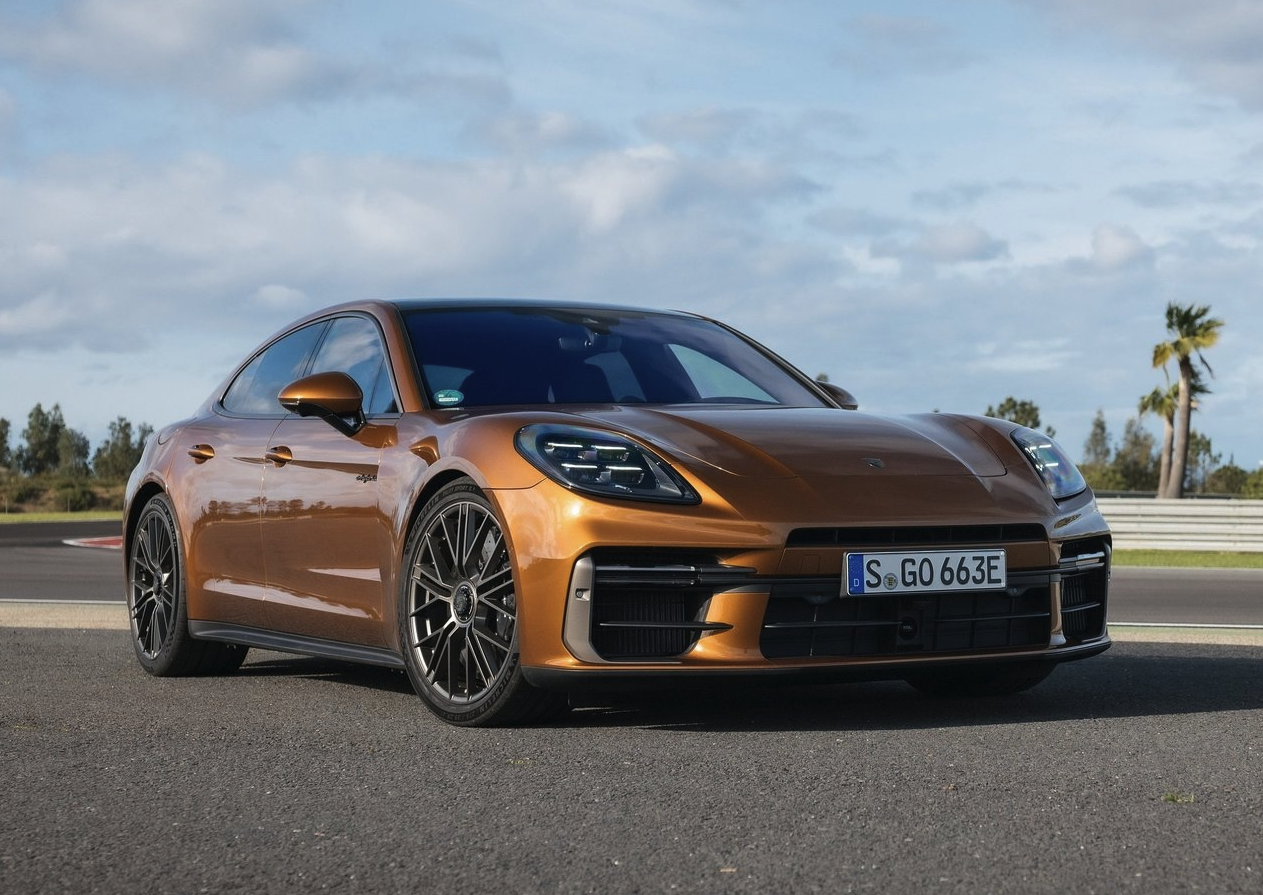
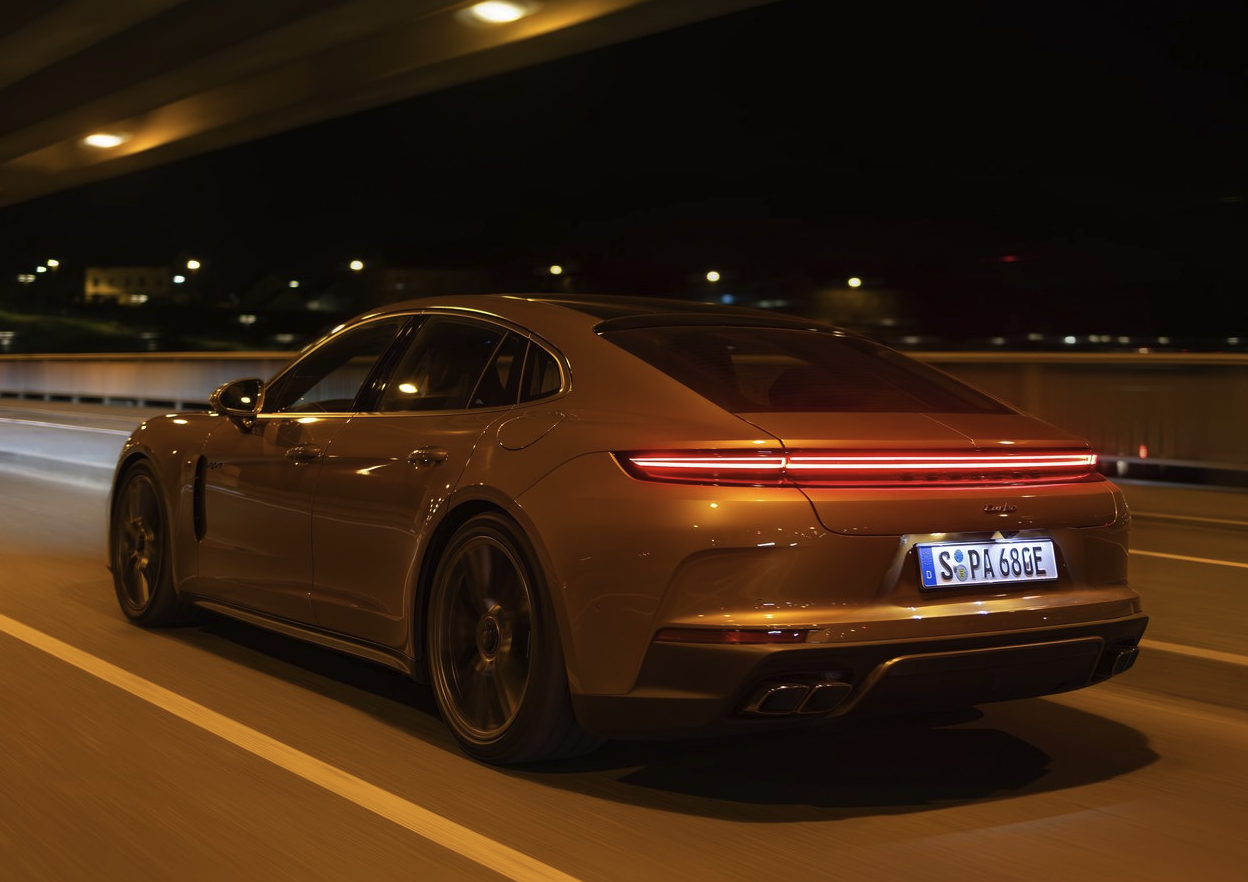
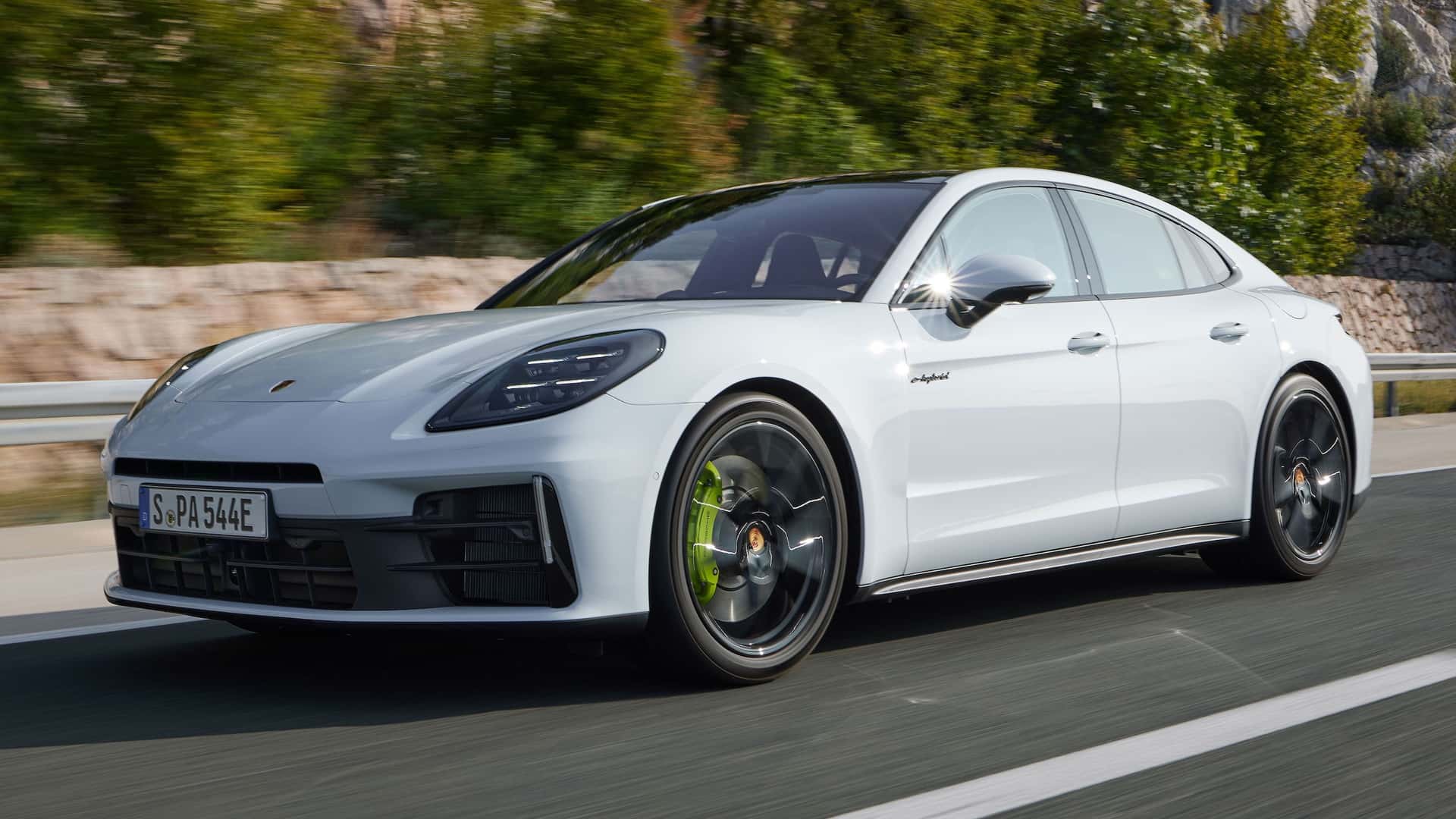
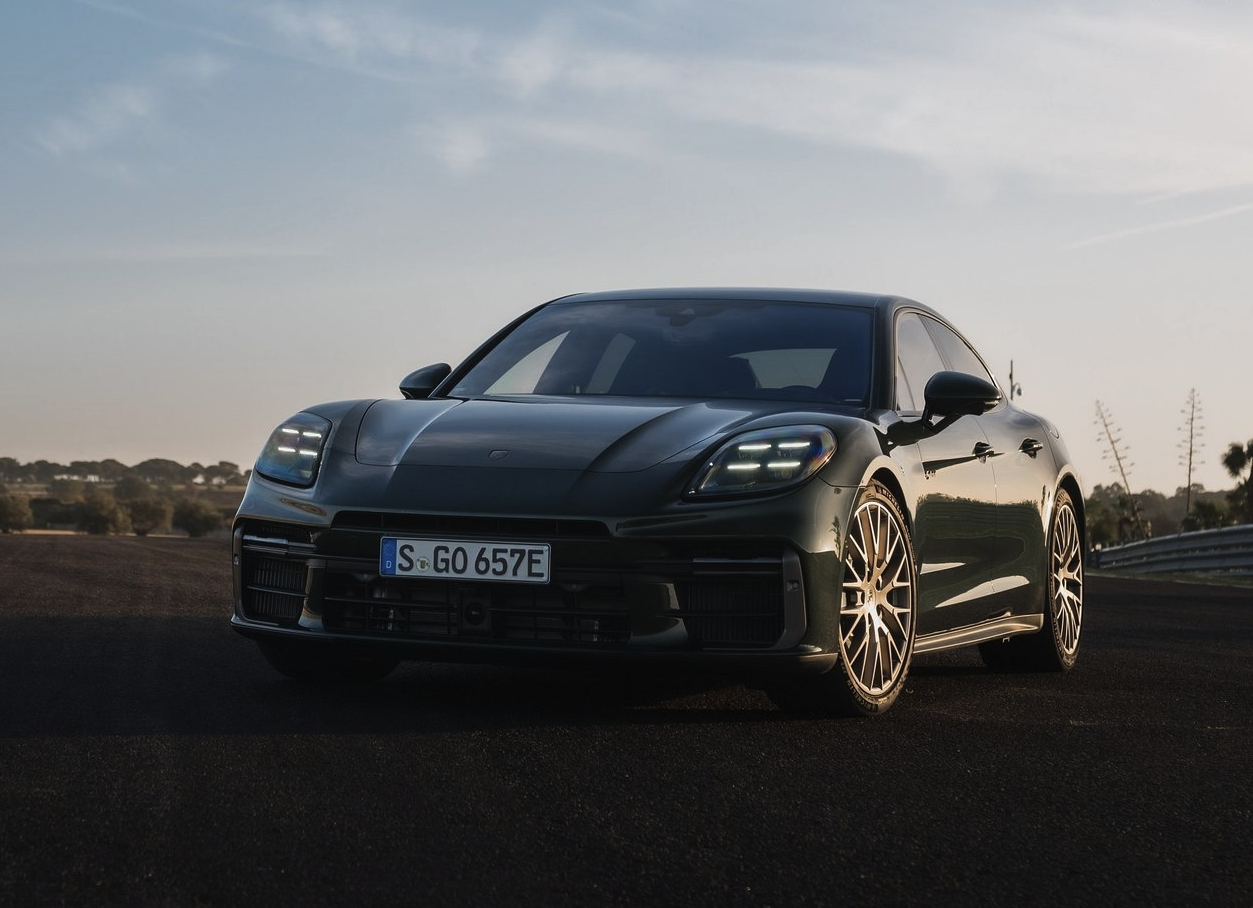
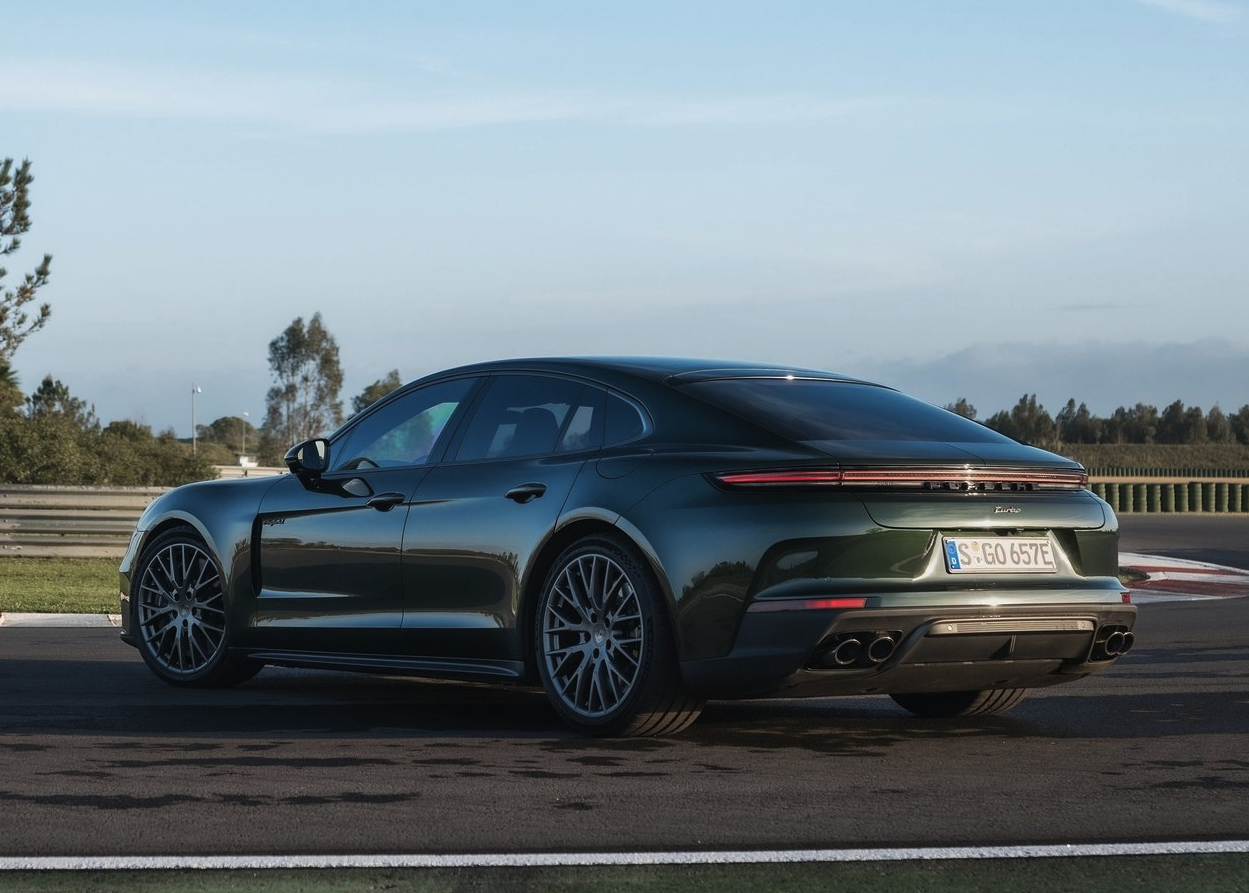
The third-generation Porsche Panamera (976) represents the most advanced and forward-looking version of Porsche’s four-door flagship to date.
Launched as the current generation, the 976 builds on everything that made the second-gen Panamera so successful, while pushing further into new territory with updated styling, a more sophisticated chassis, next-generation infotainment, and a refined approach to electrification. It is unmistakably a modern Porsche—fast, composed, technologically rich, and engineered to deliver both luxury-sedan comfort and true performance-car capability.
As a car to buy, the 976 Panamera is compelling precisely because of how complete it feels. Porsche has refined the driving experience even further, improving ride quality, steering response, and high-speed stability while maintaining the Panamera’s reputation as one of the most engaging large performance sedans on the market. Hybrid powertrains play a central role in this generation, offering exceptional torque and real-world usability without sacrificing performance. For buyers seeking a cutting-edge luxury car that still feels driver-focused, the 976 stands near the top of its segment.
Because the 976 is still very new, the used market is only just beginning to take shape. Inventory remains limited, prices are relatively strong, and differences between trims, options, and early ownership history matter more than ever. In this Third-Generation Porsche Panamera (976) Buyer’s Guide, we’ll walk you through the key models, early ownership considerations, emerging market values, expert buying tips, and what you should realistically expect when shopping for one of these cars. Whether you’re considering an early used example, planning ahead for future depreciation, or simply want to understand Porsche’s latest Panamera in depth, this guide is designed to help you buy with confidence.
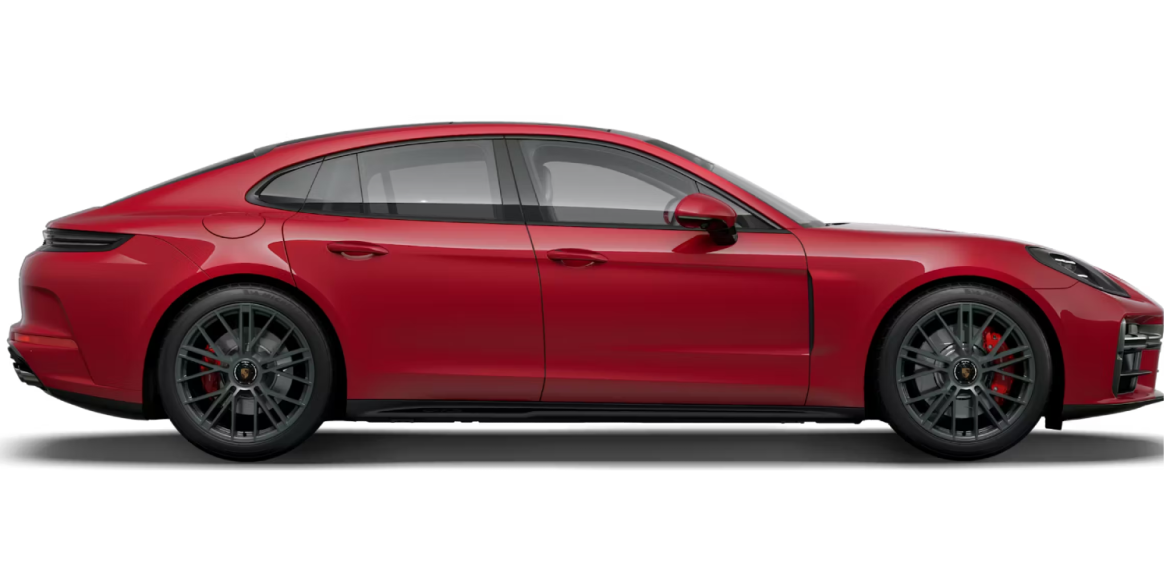
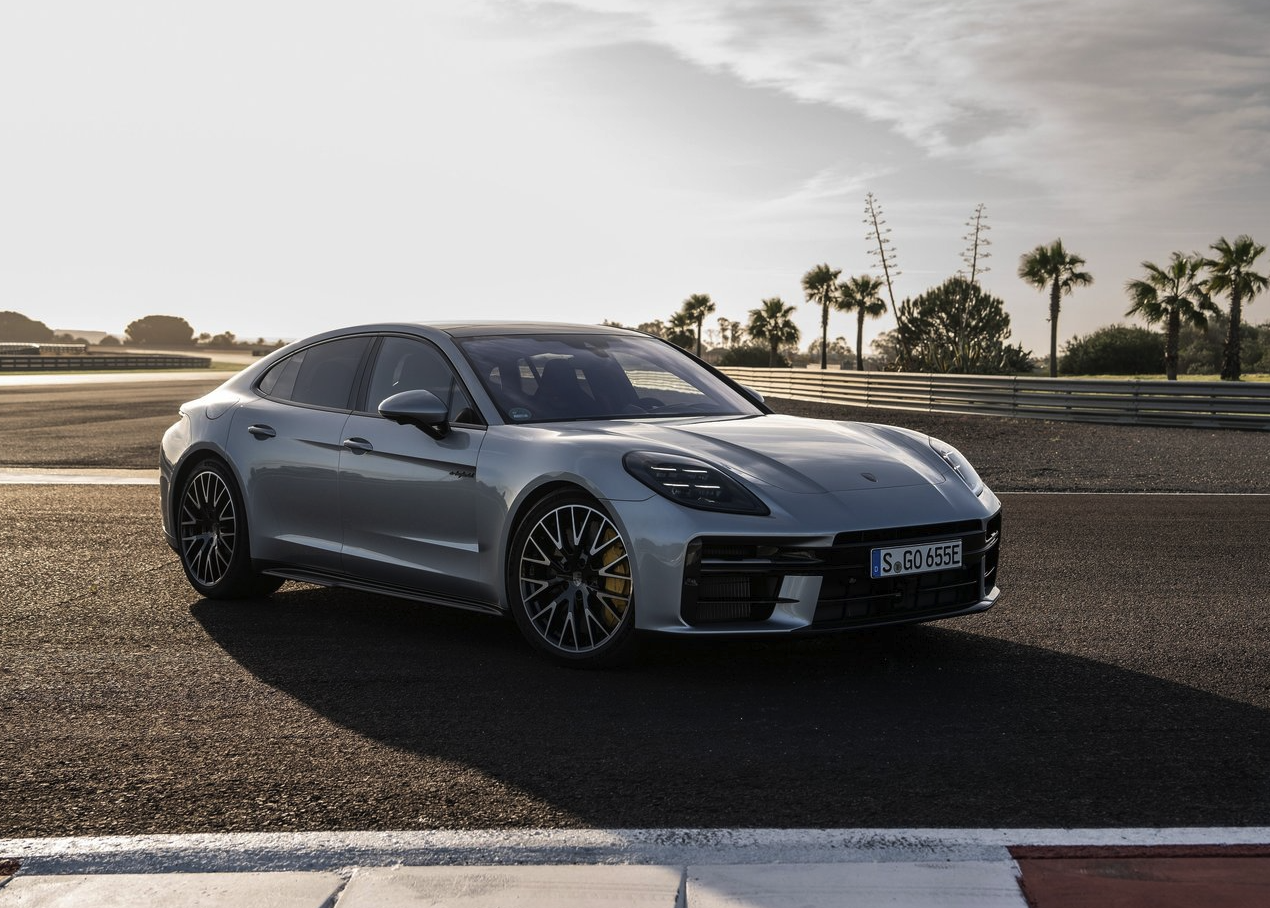
Why the Current 3rd Gen Porsche Panamera is a Great Used Car to Buy
The third-generation Panamera (976) is a compelling used buy because it represents the most refined, technologically advanced iteration of Porsche’s four-door performance sedan yet. With a focus on dynamic performance, modern luxury, and integrated electrification, the 976 feels like a proper successor to the brand’s sports car ethos in a grand touring package. The latest chassis enhancements, improved steering feel, and advanced driver-assist and infotainment systems elevate it above many rivals — even when in lightly used or early pre-owned condition. For buyers who want a performance sedan that feels modern inside and out, the 976 delivers in spades.
From a performance and drivetrain perspective, the 976 Panamera lineup offers strong power across its range — from efficient turbocharged engines to powerful hybrid variants that marry instant electric torque with traditional combustion performance. Early adopters enjoy features like updated PDK calibration, refined suspension tuning, and improved thermal management that make these cars more responsive and confidence-inspiring than some earlier models. When well maintained, even early used examples retain the composure, punch, and driving felicity that make Porsche’s name synonymous with driver engagement.
Perhaps most importantly for used-car buyers, the 976 enters the market at a time when depreciation curves are still settling, which means values are relatively firm but still accessible compared to new-car pricing. With limited pre-owned inventory, strong interest from enthusiast and luxury buyers, and a reputation for strong build quality, the 976 Panamera is positioned to offer excellent value retention as the model cycle ages. For buyers who want cutting-edge tech, performance, and everyday usability with the confidence of Porsche engineering — but at a used-car price — the 3rd-gen Panamera is shaping up to be one of the most compelling options in the premium performance segment.
Porsche 3rd Gen Panamera (G3/976) Variants - A Quick Primer for Buyers On The Variants & Specials To Think About.
We already have ultimate guide to the Porsche Panamera (3rd Gen) so we don't want to repeat everything here. Instead, we will give you a quick primer and summary about the main 976 Panamera variants, some of the core model year changes and we will talk about some special editions worth noting as you think about your potential purchase.
Key Variants & Differences
In the current market, the 976-generation (2024–Present) is just beginning to trickle into the used and Certified Pre-Owned (CPO) segments. While still relatively fresh, the Panamera historically follows a steep luxury depreciation curve—often losing 20–25% of its value in the first year. For the savvy buyer, this represents a golden opportunity to pick up "nearly new" tech at a significant discount.
Panamera & Panamera 4 (The Core V6 Models)
As the entry points, the base models are the most susceptible to "fleet" depreciation. Because these are often leased by executives or used as dealer service loaners, the used market will soon be flooded with them. From a buyer’s perspective, a 1- or 2-year-old Panamera 4 is an excellent value; you get the brand-new 976 chassis and the status of the latest generation for roughly the price of a late-model previous-gen GTS. It is the smart "financial" choice for those who want the updated interior and 2-valve air suspension without the complexity of a hybrid battery.
Panamera 4 E-Hybrid & 4S E-Hybrid (The Balanced Hybrids)
These models are the "hedges" you mentioned. On the used market, these are high-risk, high-reward. While they offer the benefit of the new 25.9 kWh battery—meaning a used 2024 model still has a very relevant electric range—hybrids traditionally see softer resale values than pure gas models once they approach the end of their factory warranties. The 4S E-Hybrid is the "sweet spot" here; its 536 hp output makes it a performance bargain on the used market compared to the much more expensive Turbo models.
Panamera GTS (The Resale Champion)
If you are looking for the model that will hold its value best, the GTS is the undisputed winner. As the only non-hybrid V8 in the lineup, it appeals to a specific enthusiast demographic that is wary of the weight and complexity of electric motors. Because Porsche typically produces fewer GTS models and they are often highly optioned by enthusiasts, they tend to bottom out in price much higher than the base or hybrid trims. If you can find a CPO GTS, it is arguably the "safest" place to put your money in the Panamera lineup.
Panamera Turbo E-Hybrid & Turbo S E-Hybrid (The Used Bargain Opportunity)
These are the "Luxury Powerhouses" that face the most brutal depreciation in raw dollar terms. A new Turbo S E-Hybrid can easily clear $250,000 with options; however, three years down the road, it is not uncommon to see these cars listed for $100,000 less than their original MSRP. For the second owner, these are incredible bargains—offering 771 hp and Nürburgring-winning technology for the price of a new base model. If you have the appetite for the higher maintenance costs of the flagship, waiting for a 2-year-old Turbo is the ultimate "power move."
Best Used Buy Recommendation: The 2024/2025 Panamera GTS. It offers the most emotional driving experience, the sought-after V8 rumble, and the strongest projected resale value in the 976 family.
Model Year Changes (2024 - )
Since the 976 Generation is the current state-of-the-art for the Panamera, its timeline is a story of rapid expansion followed by digital refinement. Because it is a newer platform, the early model years are where the most significant mechanical and structural shifts occurred.
Year 1: The Debut (2024 Model Year)
The 976 launched as a total reimagining of the Panamera’s DNA, focusing on "digital-first" luxury and a massive leap in chassis technology. The headline for the first year was the introduction of the Porsche Driver Experience interior, which moved the gear selector to the dashboard to create a minimalist, open center console—a direct nod to the Taycan.
Mechanically, Porsche standardized the two-valve, dual-chamber air suspension across all models, but the real "magic" was the debut of Porsche Active Ride on the E-Hybrid models. This 400V system allows the car to stay perfectly flat through corners and even "jump" up for easier entry, fundamentally changing the trade-off between comfort and performance. The launch lineup was deliberately lean, focusing on the Base V6, Panamera 4, and the Turbo E-Hybrid, establishing the new 25.9 kWh battery as the standard for high-performance electrification.
Year 2: Lineup Expansion (2025 Model Year)
The second year was all about filling the performance gaps and reclaiming the throne from rivals. Porsche significantly expanded the roster by introducing the "missing" middle and top-tier models: the 4 E-Hybrid, 4S E-Hybrid, GTS, and the record-shattering Turbo S E-Hybrid.2 While the 4S E-Hybrid became the logical "sweet spot" for many, the arrival of the GTS was the big news for enthusiasts, as it retained a pure 493 hp V8 without electric assistance.
Simultaneously, the Turbo S E-Hybrid claimed its status as the most powerful Panamera ever produced, delivering 771 hp and a 0–60 mph time of just 2.8 seconds. This year also saw the standard inclusion of more advanced driver-assistance tech, like active speed assistant and updated lane guidance, as Porsche moved to make the Panamera as effortless to commute in as it is to drive on a track.
Year 3 & Beyond: Digital Refinement (2026 – Present)
As of 2026, the 976 has shifted into a "refinement phase" where the hardware remains world-class while the software undergoes major upgrades. The most recent updates are focused on the "Digital Ecosystem," including a significantly faster 10.9-inch central display and the introduction of an in-car App Center. This allows owners to download third-party apps directly to the PCM—for everything from Spotify to productivity tools—reducing the reliance on smartphone mirroring.
Furthermore, the audio experience has been elevated with Dolby Atmos integration for both Bose and Burmester systems, and Amazon Alexa is now more deeply integrated for natural voice control of vehicle functions. Having successfully built the mechanical "hedge" against the Taycan, Porsche is now focusing on making the Panamera the most connected and digitally intuitive combustion car on the road.
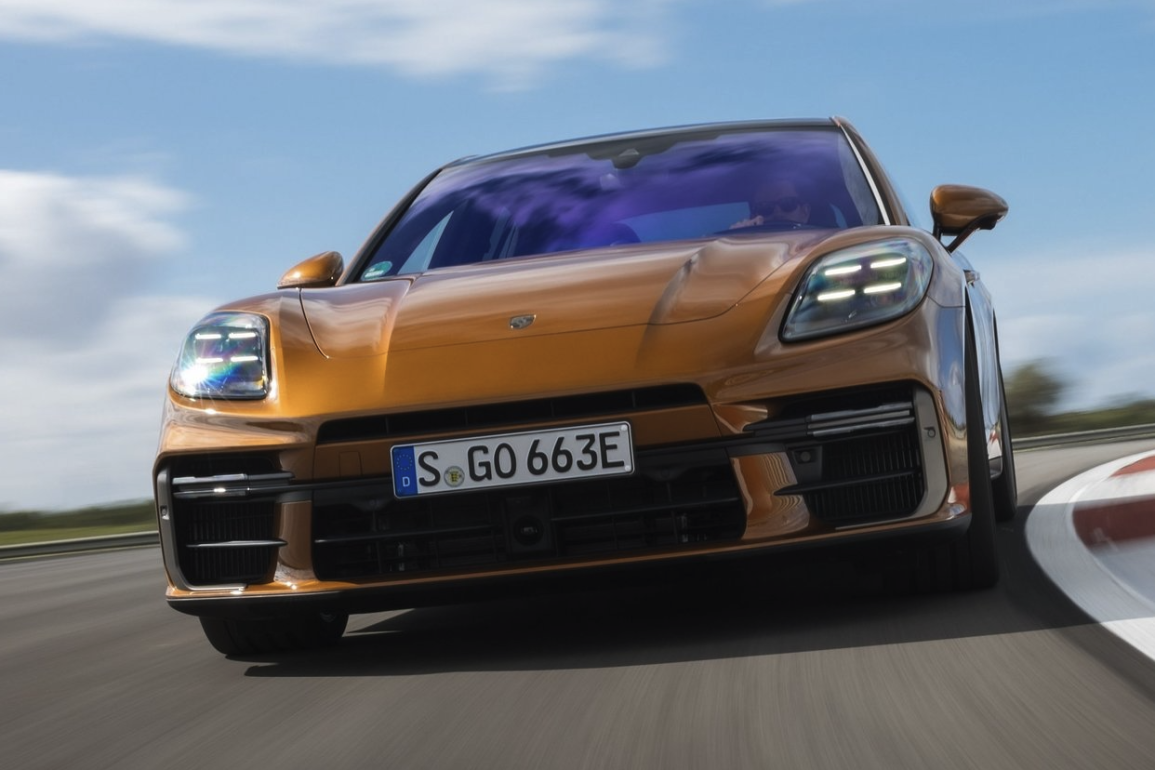
3rd Gen Porsche Panamera (976) Market Value & Pricing
Navigating the market for a third-generation Panamera (976) feels a bit like watching a high-stakes poker game: the buy-in is high, the players are elite, and everyone is waiting to see how the cards fall as the car enters its second and third years of production. Because the 976 is so new, the used market hasn't fully "settled" yet, but we can look at Porsche’s history to predict where it’s headed.
For the 2025 and 2026 model years, Porsche has nudged the Panamera further upmarket. While the "starting" price hovers around $112,000 for a base rear-wheel-drive model, very few cars leave the showroom at that price. Once you add the "must-have" Porsche options—like the Sport Chrono Package, upgraded leather, and the revolutionary Porsche Active Ride—most Panamera 4 and 4S models are transacting in the $135,000 to $160,000 range. The flagship Turbo S E-Hybrid is in a different league entirely, often crossing the $250,000 mark.
If you are looking for a used 976, prepare for a "wait and see" period. Early data suggests the 976 is following the traditional Panamera depreciation curve: a sharp 20–25% drop in the first 12–18 months.
The Early Adopter Discount: You may see 2024 "Base" or "4" models appearing on the CPO (Certified Pre-Owned) market for $85,000 to $95,000. While this looks like a bargain compared to MSRP, remember that these are the cars that lack the V8 power or the newest hybrid tech added in 2025.
The Hybrid Factor: Historically, Panamera Hybrids have depreciated faster than their gas-only siblings once they exit the three-year mark. However, since the 976 is seen as a "hedge" against pure EVs like the Taycan, its resale value might hold stronger than previous hybrids as buyers seek that "best of both worlds" security.
To understand where the 976 is going, look at what happened to its predecessors:
The 1st Gen (970) "Bottom": These have largely hit their floor. You can find high-mileage examples for $20,000 and pristine GTS models for $35,000. They are now "value" performance buys, but their maintenance-to-value ratio is high.
The 2nd Gen (971) "Sweet Spot": The 971 is currently in its most active used phase. A good 2018–2020 Panamera 4S can be had for $55,000–$65,000. This generation is proving that the Panamera can hold value if it’s an enthusiast spec (like a GTS or a Sport Turismo wagon).
If you are buying with an eye on resale value, the consensus is clear: The Panamera GTS will likely be the "Blue Chip" of the 976 generation. Because it is the only V8 without the heavy hybrid batteries, it appeals to a specific enthusiast market that typically avoids the "tech-heavy" depreciation traps. While the Turbo S E-Hybrid is the fastest, its massive $240k+ MSRP makes the "dollar-drop" much more painful. For the savvy buyer, a 3-year-old GTS is likely to be the smartest used purchase of the decade, offering the most stable value retention in the lineup.
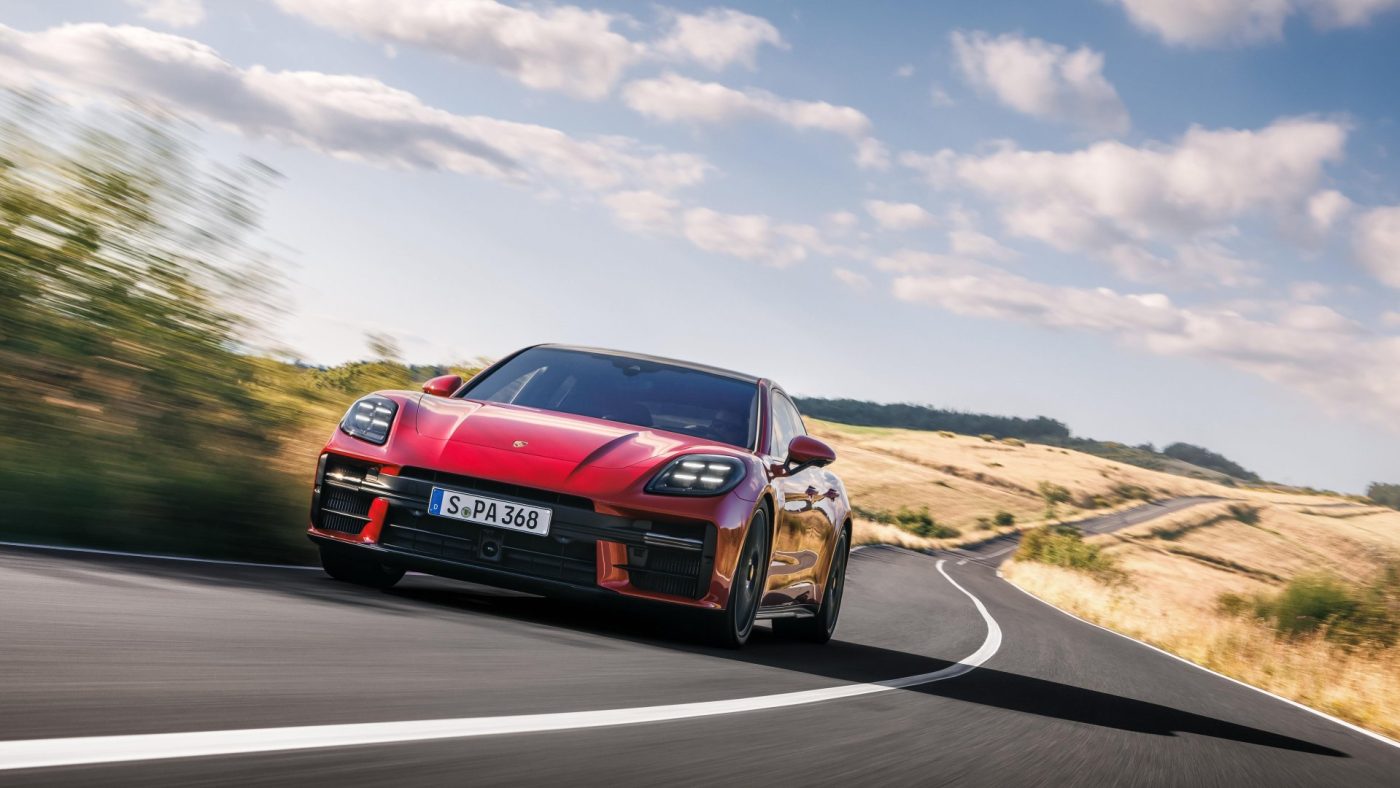
The Current 3rd Gen Porsche Panamera Driving Experience & What to Expect
The third-generation Panamera (976) is a masterclass in deception. It is a large, heavy, luxurious executive sedan that, through the application of staggering amounts of engineering magic, convinces its driver that it is a compact sports car.
The defining characteristic of the 976 driving experience is its seemingly impossible duality. In previous generations, you often had to choose between a plush cruiser and a stiff corner-carver. In the current Panamera, that compromise has largely vanished. The cabin is a hushed, digitized sanctuary inspired by the Taycan, but the controls—steering, throttle, brakes—retain the granular, communicative feedback that is non-negotiable in a Porsche.
Whether you are commuting on electric power or attacking a mountain pass with a twin-turbo V8, the 976 feels incredibly planted, astonishingly agile for its footprint, and relentlessly competent.
The Game Changer: Porsche Active Ride
To understand the 976 driving experience, you must understand the optional Porsche Active Ride (PAR) system available on E-Hybrid models. This isn't just "good suspension"; it’s a fundamental rethinking of chassis dynamics.
PAR uses hydraulic motor-pump units at each wheel to react to the road instantly. It doesn't just dampen bumps; it actively pushes wheels down into potholes or lifts them over crests. Furthermore, it can be set to lean the car into corners like a motorcycle, or keeps the body perfectly flat during maximum braking. The result is an eerie, almost calm sensation during extreme maneuvers.
Automotive journalists have been near-universal in their awe of this system:
It's absolutely uncanny... The system decouples the ride/handling tradeoff entirely. You can have a car that rides better than a luxury sedan and handles better than a sports car, at the same time. It’s genuinely physics-defying stuff.
— MotorTrend, on driving the Panamera with Active Ride
While the DNA is shared, the personality of the Panamera shifts dramatically depending on the badge on the rear decklid.
The Base Panamera & Panamera 4 and the purest front end cars. Don't overlook the V6 models. Because they lack the heavy hybrid battery packs and the larger V8 engine, they are significantly lighter, particularly over the front axle. These models feel the most nimble and eager to turn in. The 2.9L V6 348 hp needs to be revved to extract its best performance, which encourages a more involved driving style. They are fast enough for the real world and offer the purest steering connection of the lineup.
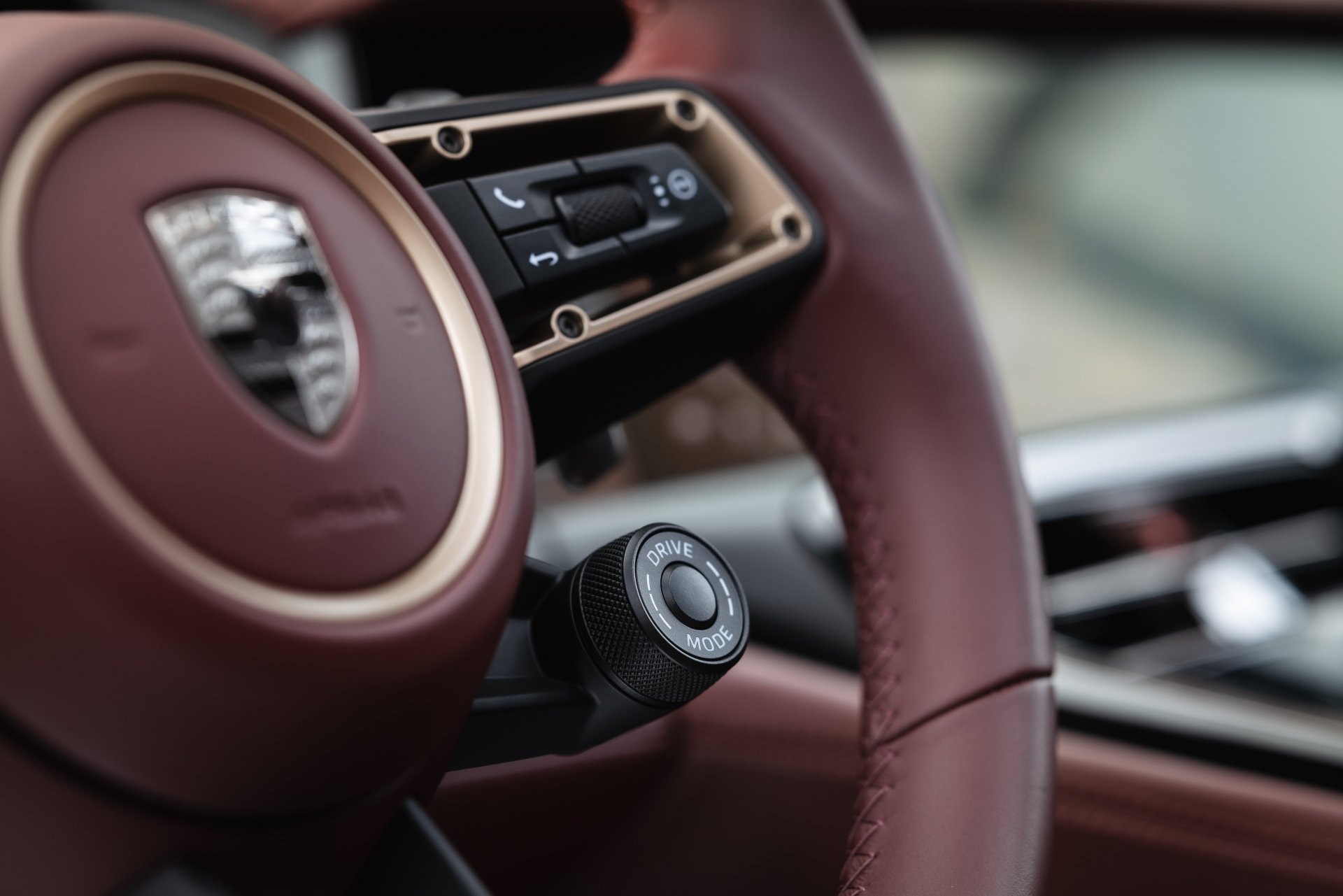
The E-Hybrids (4 E-Hybrid & 4S E-Hybrid) are the seamless executive cars. These models represent the new normal for the Panamera. With the larger 25.9 kWh battery, they are genuine dual-personality cars. You can do your entire morning commute in utter silence, riding a wave of electric torque with zero emissions. But switch the drive mode dial to "Sport Plus," and the V6 wakes up with a bark, working in concert with the e-motor to provide immediate, punchy thrust out of corners. The integration is seamless; you rarely feel the handoff between electric and gas.
The Panamera GTS is obviously our favorite, the true analog holdout. The GTS exists for the driver who still craves mechanical grit over digital perfection. It is the only way to get a V8 without the added weight of the hybrid system. It sits lower (10 mm), rides stiffer, and sounds angrier thanks to a standard Sport Exhaust. It feels raw compared to the hybrids. The V8 dominates the experience, providing a relentless, naturally-aspirated-feeling surge to the redline. It is the most visceral, communicative car in the lineup, prioritizing "feel" over outright speed.
This is the one. The GTS feels more connected, more alive than the others. It doesn't have the sheer shove of the Turbo hybrids, but it makes up for it with character and a front end that bites harder. It’s the driver’s Panamera."
— Top Gear Magazine
The Turbo E-Hybrid & Turbo S E-Hybrid are true warpspeed cruisers, truly able to crush the road into submission and do it from the luxury that is the Panamera. These are the flagships, combining the V8 with maximum electric assist. The Turbo S E-Hybrid produces a staggering 771 hp. These cars are defined by effortless, violent acceleration. The weight is immense (over $5,300 lbs), but the power is so overwhelming that the mass becomes irrelevant in a straight line. 0–60 mph happens in under 3 seconds in the S, causing passengers to physically gasp. Thanks to standard Active Ride and rear-axle steering, they hide their weight in corners incredibly well, but you are always aware you are piloting a substantial, incredibly powerful machine.
The acceleration is just relentless. It doesn't build; it just arrives, instantly, like being hit by a silent freight train before the V8 even fully clears its throat. It’s a luxury limo that can embarrass supercars at a stoplight.
— Road & Track on the Turbo S E-Hybrid powertrain
Getting Real - Costs to Own & Maintenance
Owning a used 3rd-generation (976) Panamera in 2026 is a unique "sweet spot" experience. Since the car is only two to three years into its lifecycle, most used examples are still under the 4-year/50,000-mile factory warranty, meaning your immediate financial exposure to catastrophic mechanical failure is low. However, "low risk" does not mean "low cost." Here is the reality of the ownership ledger for a used 976 Panamera today.
1. Scheduled Maintenance: The 10k/40k Rhythm
Porsche maintenance is predictable but premium: Even if the car is under warranty, you are responsible for the scheduled service intervals.
Minor Service (Every 10,000 miles): Expect to pay between $600 and $900. This covers synthetic oil, filters, and a multi-point inspection.
The "Big One" (40,000 miles / 4 years): If you buy a used 2024 model with higher mileage, you are heading straight for this bill. It includes spark plugs, brake fluid flush, cabin filters, and potentially a PDK transmission service. Expect a bill between $2,500 and $4,500 at a dealership.
Hybrid Specifics: The E-Hybrid models require specialized checks for the high-voltage cooling system. Fortunately, by law, the hybrid battery is covered by an 8-year/80,000-mile warranty (often 10 years in certain states), providing a massive safety net for used buyers.
2. Insurance: The "Porsche Tax" is Real
Insurance is one of the highest recurring costs for the 976. Because the car is constructed with advanced materials and packed with expensive sensors (like the Matrix LED headlights and the optional passenger display), even a minor fender bender is incredibly costly for insurers.
Average Annual Premium: For a 2024–2025 model, full coverage typically ranges from $3,500 to $5,200 per year depending on your location and the trim (a Turbo S E-Hybrid costs significantly more to insure than a base V6).
Comparison: You can expect to pay roughly 40-60% more to insure a Panamera than a standard luxury sedan like an Audi A6.
3. Consumables: Tires and Brakes
The 976 is a heavy car (the hybrids can exceed $5,300 lbs, and heavy cars eat tires.
Tires: A set of Porsche-spec (N-rated) staggered tires will cost you $1,600 to $2,200. Depending on your driving style, you may only get 15,000–20,000 miles out of a rear set.
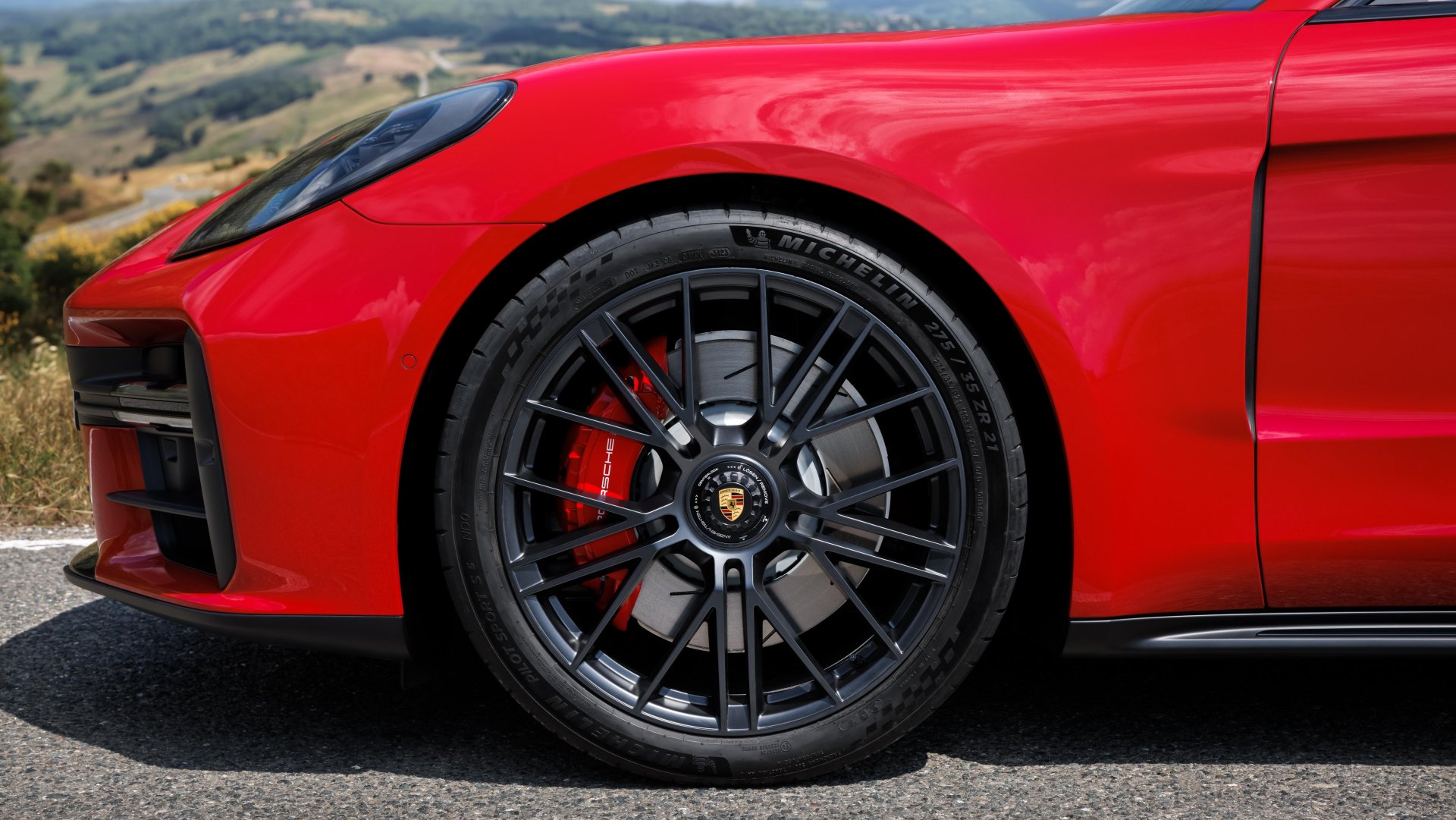
Brakes: Standard steel brakes last a while, but a full 4-wheel replacement (pads and rotors) at a dealership will run $3,000+. If the car has PCCB (Ceramic Composites), the rotors can last the life of the car, but if they do need replacing, the bill can exceed $20,000.
4. Fuel and Energy Costs
The V6/V8 Reality: All Panameras require 93 Octane Premium. The base V6 gets about 21 combined mpg, while the GTS V8 will realistically see 15–17 mpg in spirited city driving.
The Hybrid Advantage: If you buy a used 4 E-Hybrid, the 25.9 kWh battery is the game-changer. If you can charge at home, your "fuel" cost for a 30-mile daily commute drops to nearly zero. However, if you never plug it in, you’re just hauling 600 lbs of dead battery weight, which actually hurts your fuel economy.
5. Parts and Support
Since the 976 is the current flagship, parts availability is excellent. Unlike the 1st-gen cars where certain interior trim pieces are becoming "legacy" items, every nut and bolt for the 976 is in stock. The catch? Proprietary tech. Systems like the Porsche Active Ride are so new and complex that you essentially must go to a dealership for repairs; most independent shops won't yet have the specialized diagnostic tools (PIWIS 4) or the high-voltage certifications to work on the G3's chassis or hybrid drive.
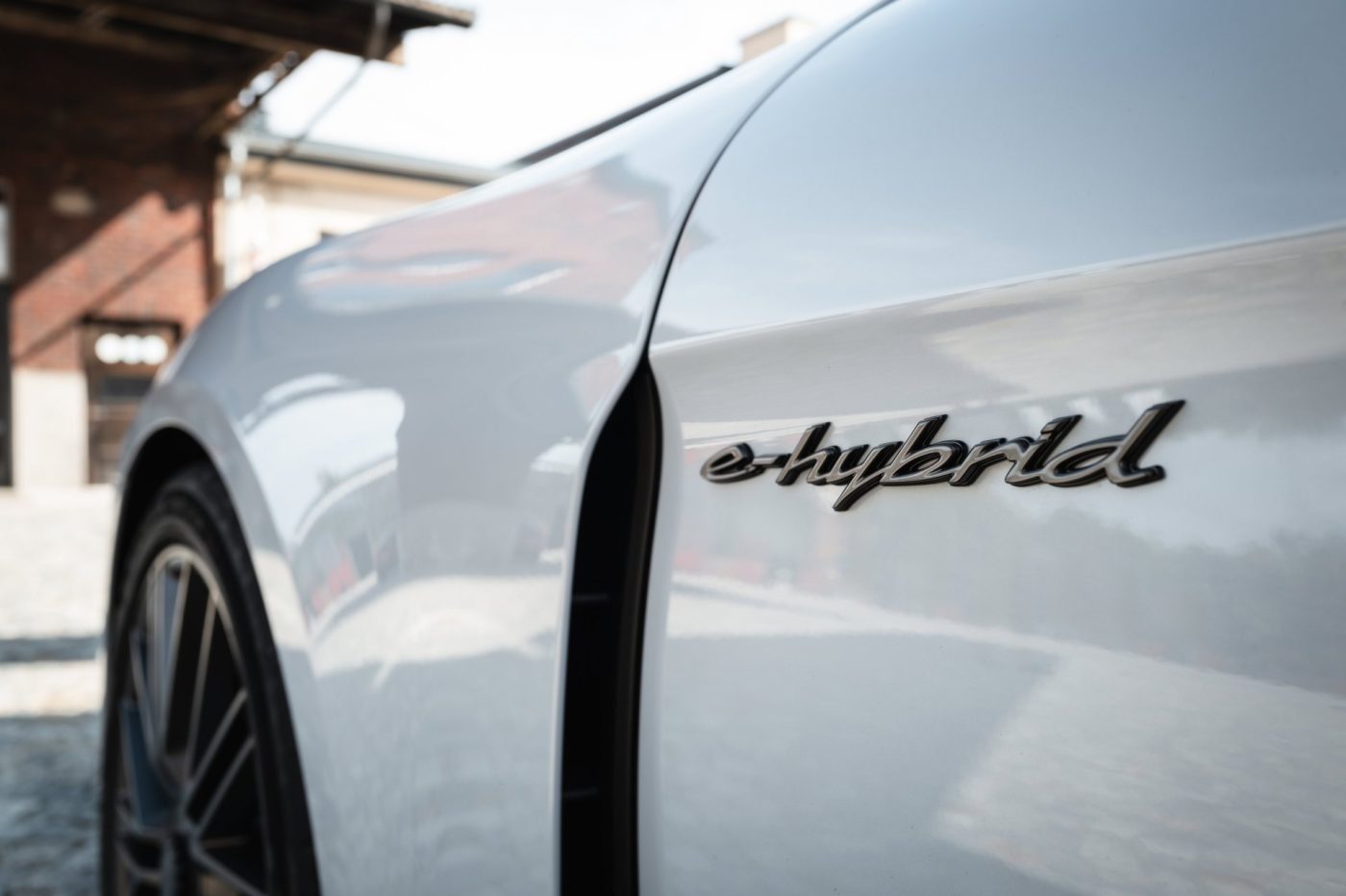
Common 3rd Gen Porsche Panamera Problems
What Buyers Should Know
While the Porsche Panamera is known for its overall reliability and refinement, it’s still a high end German sports car with specific quirks to be aware of. A well-maintained current generation Porsche Panamera can be an incredibly rewarding car to own, but buying the wrong one can lead to frustrating expenses.
(see our full article on common Porsche Panamera problems here).
The third-generation Porsche Panamera (976) is generally considered a reliable, high-performance machine, but with a few caveats typical of a cutting-edge luxury vehicle. Because the 976 is relatively new (launched for the 2024 model year), long-term reliability data is still being collected, but the early outlook is positive.
1. The Verdict: Reliable, but Complex
Early reports from owners and initial quality surveys (like J.D. Power) suggest the 976 is a robust platform. Porsche has used the lessons learned from the previous G2 (971) generation to ensure the core mechanical components—the 2.9L V6 and 4.0L V8—are solid. However, because it is a "digital-first" car, the most common "reliability" issues aren't mechanical failures but rather software glitches in the infotainment or driver-assistance systems.
2. Early Recall & Maintenance Alerts
As of early 2026, there are a few specific items that 976 owners and buyers should be aware of:
High-Pressure Fuel Pump (2024–2026): A recent recall was issued for certain 2024-2026 models regarding fuel pump fasteners that may not have been tightened properly, potentially leading to fuel leaks. Ensure any used 976 has had this inspected and rectified.
Rearview Camera Software: A broad Porsche recall in late 2025 affected 2024–2025 Panameras, where the rearview image might not display. This is a simple software fix but an essential one for safety.
Battery Management: Like its predecessors, the 976 is power-hungry. If the car sits for long periods without a battery tender, the 12V battery can drain, leading to a cascade of "ghost" warning lights that are often misdiagnosed as mechanical faults.
3. The "Ticking Time Bombs" to Monitor
While reliable under warranty, the 976 contains several high-tech systems that will require attention as the cars age:
Porsche Active Ride: This system is revolutionary for comfort, but it is incredibly complex. While no widespread failures have been reported yet, it is a high-pressure hydraulic system that will likely be expensive to service once the car is out of warranty.
Air Suspension: Standard on the 976, air struts are historically a "wear item" for Porsche. Expect to see leaks or compressor issues around the 60,000–80,000 mile mark.
PDK Transmission: The 8-speed PDK is nearly bulletproof, provided you follow the 40,000-mile fluid change interval. Neglecting this is the fastest way to turn a reliable Panamera into a financial liability.
4. Summary for the Used Buyer
If you are buying a 2024 or 2025 model today, you are likely still protected by the 4-year/50,000-mile factory warranty. This makes the 976 a very "safe" buy in terms of out-of-pocket repair costs for the next few years.
Pro Tip: For the best long-term reliability, look for a Certified Pre-Owned (CPO) model. This adds an extra two years of unlimited-mileage coverage, which is the ultimate peace of mind for a vehicle this sophisticated.


Buying A 3rd Gen Porsche Panamera (G3/976) FAQs
Here are all the questions we've received from readers considering a current generation Porsche Panamera
Is the current (third-generation) Porsche Panamera a reliable car?
The third-generation Porsche Panamera (976) enters 2026 with a reputation for solid mechanical reliability, benefiting from the refinements Porsche made during the previous decade of production. While the core engines and transmissions are largely "bulletproof," the car’s complexity means it is more prone to electronic "ghost" glitches and sensor errors than catastrophic mechanical failures. Since most 976 models are still within their 4-year/50,000-mile factory warranty, initial owners have had a relatively stress-free experience, though the transition to a "digital-first" cockpit has led to some early software-related frustrations and infotainment bugs.
However, prospective buyers should be aware of a few "teething" issues identified through early recalls, including high-pressure fuel pump fasteners that could lead to leaks and a specific retaining ring issue in the front suspension struts that can cause air loss. While these are covered under warranty, the long-term reliability of the revolutionary Porsche Active Ride system remains the biggest question mark; as a high-pressure hydraulic system, it will likely be a significant expense once the factory coverage expires. Ultimately, the 976 is a highly dependable machine if maintained with "open-wallet" precision, but its reliability is inextricably linked to strict adherence to Porsche’s complex service schedule.
Which third-generation Panamera models are the best to buy?
In the current G3 (976) generation, the "best" Panamera is no longer a one-size-fits-all answer. Because Porsche has successfully bifurcated the lineup into "E-Performance" powerhouses and "Analog-focused" GTS models, your choice depends entirely on whether you prioritize the technical wizardry of the future or the mechanical soul of the past.
The Best All-Rounder: Panamera 4S E-Hybrid
The Panamera 4S E-Hybrid is widely considered the "Goldilocks" of the 976 range, offering the most compelling balance of performance, modern tech, and daily usability. With a combined 536 hp from its V6-hybrid powertrain, it is significantly punchier than the base models and delivers a 0–60 mph time of just 3.5 seconds. For the 2026 buyer, this model represents the best-kept secret because it allows for nearly 50 miles of silent, all-electric commuting thanks to its upgraded 25.9 kWh battery, yet it can transform into a relentless grand tourer at the flick of a drive-mode dial. Journalists often describe it as the "smart" pick, as it offers much of the Turbo's high-voltage magic—including the option for the physics-defying Porsche Active Ride—at a much more accessible price point.
The Best for Long-Term Value: Panamera GTS
For the enthusiast who views electrification with skepticism, the Panamera GTS is the undisputed champion of the lineup. It is the only model in the current generation that offers the 493 hp twin-turbo V8 without the added weight and complexity of a hybrid system, resulting in a car that is lighter, pointier, and more emotionally communicative on a backroad. Because the GTS is tuned specifically for "driver engagement," it features a more aggressive exhaust note and a chassis that prioritizes feedback over pure limousine-like isolation. From a financial perspective, the GTS is likely to be the strongest used-market performer of the 976 generation; history shows that Porsche purists will always pay a premium for a non-hybrid V8, making this the "blue chip" investment of the family.
The Best for Daily Commuting: Panamera 4
If your goal is a sophisticated executive daily driver rather than a track-day weapon, the Panamera 4 is the most sensible and rewarding choice. By eschewing the heavy hybrid batteries and the large V8, the Panamera 4 is the most nimble model in the range, offering a lighter front end that feels remarkably agile during urban maneuvers and highway cruising. Though it sits at the entry point of the AWD lineup, its 348 hp V6 still provides effortless acceleration and a 0–60 mph time of 4.7 seconds, which is more than enough for real-world driving. It is the best choice for those who want the prestige and the stunning "Taycan-style" digital cockpit of the 976 but want to avoid the higher insurance premiums and maintenance complexity inherent in the high-voltage or V8 models.
The Best "Money is No Object" Pick: Panamera Turbo S E-Hybrid
The Turbo S E-Hybrid is the flagship "Record-Breaker," a 771 hp titan designed for those who refuse to settle for anything less than the absolute pinnacle of automotive engineering. This model isn't just a car; it is a technology showcase that holds the Nürburgring record for its class, capable of catapulting to 60 mph in a staggering 2.8 seconds. It comes standard with almost every performance option in the Porsche catalog, including the revolutionary Active Ride suspension that leans the car into corners to keep the cabin perfectly level. Critics describe the experience as "supercar speed in a tuxedo," making it the ultimate choice for the buyer who wants a luxury sedan that can silently navigate city streets on electric power and then proceed to embarrass dedicated sports cars on a racetrack.
Is a pre-purchase inspection really necessary?
Yes. A Porsche-specialist pre-purchase inspection is essential for the 976 Panamera. Many issues are not obvious on a short test drive. A proper PPI can save thousands and provide valuable negotiating leverage.
Should I avoid high-mileage current generation Panameras?
In the context of the 976-generation (2024–Present), the definition of "high mileage" is slightly different. Since these cars have only been on the road for about two years as of 2026, a "high-mileage" example is typically anything over 35,000 to 40,000 miles—essentially a car that has been driven as a heavy-duty daily commuter rather than a weekend toy. Should you avoid them? Here is the "real-world" breakdown of the risk versus the reward.
The "Safe" Window: The 50,000-Mile Cliff
The biggest reason to consider a high-mileage 976 is the depreciation. A 2024 model with 40,000 miles will be significantly cheaper than a low-mileage 2025. However, you are approaching the "warranty cliff." Porsche’s standard limited warranty expires at 4 years or 50,000 miles.
The Move: If the car has 40,000 miles, you only have 10,000 miles of "free" repairs left. Unless the car is Certified Pre-Owned (CPO)—which adds two years of unlimited-mileage coverage—you are buying into the period where the owner, not Porsche, pays for the inevitable sensor glitches and software updates.
Specific Wear for "Hard-Driven" 976s
While the engine and transmission are robust, the 976 is a heavy, high-tech machine. High mileage in a short time usually means one of two things: highway cruising or aggressive daily driving. Look out for:
Tire Life: A 40,000-mile Panamera should be on its third set of tires. If the tires are low, factor in an immediate $2,000 expense.
Brake Wear: The 976 uses its brakes for torque vectoring and stability. By 40,000 miles, standard steel rotors are likely nearing the end of their first life.
The "Digital Fatigue": High-use cars see more cycles on the motorized vents, the haptic touch console, and the folding screens. Check that the "Taycan-style" gear selector and digital dash are responsive and free of lag.
The Hybrid Battery Myth
If you are looking at a high-mileage 4 E-Hybrid or Turbo E-Hybrid, don't panic about the battery. In the U.S., the high-voltage battery is legally warrantied for 8 years or 100,000 miles. Even a "high-mileage" 2024 model with 45,000 miles still has over five years of battery protection left. The hybrid is actually a very safe high-mileage bet because the electric motor reduces the mechanical load on the gasoline engine during stop-and-go traffic.
The Verdict
Buy if: The car is Porsche CPO or you are getting a discount of at least 30–35% off the original MSRP. A high-mileage 976 is a fantastic way to get the latest 2026-era tech for a 2020-era price.
Avoid if: The car has no service history and is nearing 50,000 miles without a warranty extension. The Porsche Active Ride and other G3-specific systems are too new for independent shops to fix cheaply, making a "naked" high-mileage 976 a potential financial liability.
Are hybrid (E-Hybrid) Panameras a good choice?
Hybrid (E-Hybrid) Panameras are widely considered a superb choice, often representing the "sweet spot" of the lineup for modern buyers. However, they are a "good choice" only if your driving habits align with how they are engineered to work.
In the current 3rd Generation (976), Porsche has positioned the hybrids as the true performance leaders, using electrification to enhance speed rather than just efficiency.
The Pros: Why they are a great choice
The Best of Both Worlds: If you have a daily commute of under 30 miles and can charge at home, a Panamera E-Hybrid can function as a pure EV for 90% of your week. You get the silent, refined luxury of a Taycan during the week but the soul and range of a 911 on the weekends.
Performance Advantage: The electric motor provides "instant torque." A Panamera 4 E-Hybrid is significantly faster than the base V6 model (0–60 mph in 3.9 seconds vs. 5.0 seconds). The electric assist "fills in" the power while the turbos are spooling up.
Exclusive Technology: Some of the Panamera's most revolutionary tech, like the Porsche Active Ride suspension, is only available on E-Hybrid models. This system requires the high-voltage battery to power its hydraulic pumps, allowing the car to defy physics by staying perfectly flat in corners.
The "Hedge" Factor: As cities move toward zero-emission zones, an E-Hybrid offers future-proofing that a pure gas V8 doesn't. You can drive into restricted urban centers on electric power without penalty.
The Cons: Why they might not be for you
The Weight Penalty: Batteries are heavy. An E-Hybrid weighs roughly 500–600 lbs more than a non-hybrid Panamera. While the suspension hides this well, purists may find that the car feels slightly less "tossable" and more like a heavy grand tourer compared to the lighter GTS.
Complexity & Long-Term Maintenance: You are essentially maintaining two powertrains. Once the 8-year/100,000-mile battery warranty expires, the cost of potential hybrid-specific repairs (inverters, batteries, high-voltage cables) can be significantly higher than a standard internal combustion car.
Depreciation Curve: Historically, high-tech hybrids tend to depreciate faster than the "purist" models like the GTS. Buyers in the used market are often wary of aging battery technology, which can lead to a steeper drop in value after the first 3–5 years.
Brake Feel: Because the car uses regenerative braking to charge the battery, the first inch of brake pedal travel can sometimes feel slightly "wooden" or inconsistent compared to the pure mechanical bite of the non-hybrid models.
How does the current Panamera compare to rivals like the S-Class or BMW 7 Series?
The primary distinction between the Porsche Panamera and its German rivals, the Mercedes-Benz S-Class and BMW 7 Series, is one of fundamental philosophy: the Porsche is a sports car that happens to have four doors, while the Mercedes and BMW are limousines that happen to have powerful engines. While the S-Class and 7 Series are designed to isolate the driver from the outside world, the Panamera is engineered to connect you to it. In an S-Class, you feel like you are floating over the pavement; in a Panamera, even with its highly advanced air suspension, you feel the texture of the road through the steering wheel and the seat. This "driver-first" approach means that while the Panamera may not be quite as whisper-quiet as an S-Class, it is significantly more agile and rewarding to pilot on a winding road.
When compared directly to the 2026 Mercedes-Benz S-Class, the contrast is between a digital sanctuary and a high-tech cockpit. The facelifted S-Class has doubled down on its "private lounge" identity, featuring the massive, pillar-to-pillar MBUX Hyperscreen as standard and a cabin filled with spa-like massage programs and active noise cancellation. The Panamera’s interior, inspired by the Taycan, is far more minimalist and driver-centric, moving the gear selector to the dashboard to keep the center console clean and functional. While the Mercedes offers superior rear-seat pampering and "Level 3" autonomous driving capabilities for a stress-free commute, the Porsche offers the revolutionary Active Ride system, which uses high-pressure hydraulics to eliminate body roll entirely, allowing a two-ton sedan to corner with the flat, composed stance of a 911.
Against the 2026 BMW 7 Series, the Panamera faces a rival that prioritizes digital theater and avant-garde presence. The BMW is a mobile cinema, highlighted by its optional 31.3-inch "Theater Screen" that drops from the ceiling for rear passengers and self-closing doors that mimic a Rolls-Royce. However, the BMW’s sheer mass and length—it is only imported to the U.S. in its long-wheelbase form—mean it never feels as compact or "tossable" as the Panamera. While the 7 Series is the better choice for a tech-obsessed buyer who spends their time in the back seat, the Panamera remains the benchmark for performance. Even in its base V6 trim, the Porsche’s steering precision and PDK transmission response provide a level of mechanical "bite" that the more insulated BMW simply cannot match.
Finally, the Panamera offers a unique practical advantage that neither the Mercedes nor the BMW can replicate: the Sportback (hatchback) design. Because the entire rear glass lifts, the Panamera provides a level of cargo versatility closer to an SUV than a traditional sedan. You can fold the rear seats flat to accommodate a bicycle or large boxes, whereas the S-Class and 7 Series are restricted by a traditional, fixed-trunk opening. This makes the Panamera the only "limousine" in its class that can truly double as a practical family utility vehicle on the weekends without sacrificing its status as a world-class performance machine.
Do some current (976) Panameras still have warranty coverage?
Yes. Most 976 Panameras will still have quite a lot of warranty.
What’s the biggest mistake buyers make when buying a 3rd gen Panamera?
The most common mistake is buying the cheapest example available without considering service history or future maintenance costs. A well-maintained, higher-priced Panamera is almost always a better long-term buy than a neglected bargain. Condition, documentation, and inspection results matter far more than headline price.
